
As the spring season approaches, the U.S. is bracing for one of the most powerful late-winter storms in recent memory. A massive storm system is forecast to dump up to four feet of snow across large sections of the western United States, accompanied by fierce winds and potentially catastrophic travel disruptions. The National Weather Service (NWS) has issued a series of warnings, calling for urgent precautions in several regions, particularly in mountainous areas. With conditions expected to rapidly worsen, the NWS has cautioned that travel “could be very difficult to impossible.” Here’s a breakdown of what to expect from this intense weather event and how it might affect your plans.
Snowfall Totals: Up to Four Feet of Snow Expected
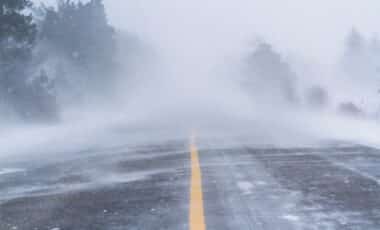
The approaching storm promises heavy snowfalls that will significantly impact the western U.S., stretching from California’s Sierra Nevada to parts of Alaska. The National Weather Service has projected up to four feet of snow in some areas, especially in the highest elevations. This immense snowfall will be coupled with whiteout conditions that will make visibility nearly zero, with snow accumulation rates potentially reaching up to 2 inches per hour in the most affected regions. The NWS emphasized that roads will become increasingly treacherous as the storm intensifies, and residents should avoid travel if possible.
In California’s Sierra Nevada, areas above 4,500 feet could see 1 to 2 feet of snow, with higher elevations expecting 3 to 4 feet. Snowfall in the Lake Tahoe area could accumulate between 6 to 10 inches at lower elevations and up to 28 inches at higher altitudes. The National Weather Service also warned that gusts of wind could reach 50 mph, further complicating travel and increasing the risk of power outages.
Severe Winds: Hurricane-Force Gusts Threaten Safety
While the snow will certainly make driving hazardous, it’s the storm’s powerful winds that will pose an even greater danger. Winds up to 90 mph are expected along parts of the Sierra Nevada crest, with gusts of 50 mph expected in the surrounding regions. The National Weather Service warned that these hurricane-force winds could cause significant tree damage, down power lines, and create dangerous flying debris.
As snow piles up and the wind picks up, visibility will drastically reduce, increasing the likelihood of accidents. The NWS’s warning that travel “could be very difficult to impossible” underscores the severity of this storm’s impact on roads and infrastructure. For those living in the affected areas, it’s crucial to stay indoors when the storm is at its peak, particularly during Friday evening and through the weekend.
Regions Most Impacted: Where the Worst of the Storm Will Hit
The storm’s impact will be felt across several U.S. states, but the most severe conditions are expected in the Sierra Nevada region and the surrounding mountains. From California to Nevada, this region is under a series of winter storm warnings, with some areas expecting up to 4 feet of snow and sustained winds exceeding 80 mph.
The National Weather Service has issued warnings for Yosemite, Kings Canyon, and Sequoia National Parks, where snowfall could reach up to 30 inches at higher elevations. For residents and travelers in these areas, the NWS advised delaying travel plans until conditions improve. Even areas like Mono County and Plumas County are bracing for up to 2 feet of snow, with road closures anticipated along mountain highways. Officials are urging caution, particularly for motorists traveling on routes like Highway 395, which could experience snow accumulation and dangerous driving conditions.
Preparing for the Storm: Safety Measures You Should Take
With this storm being one of the most extreme late-winter systems in recent years, preparation is key to ensuring safety. For those living in affected areas, it’s important to have an emergency kit on hand, including water, non-perishable food, flashlights, and extra batteries. If you need to travel, make sure your vehicle is equipped with chains, as mountain roads will become impassable without them.
The National Weather Service also recommended checking your home’s heating system and ensuring that you have enough fuel or firewood to keep warm. Wind gusts could cause power outages, so it’s essential to have a backup plan, such as a generator or alternative heat source. In case of an emergency, stay updated on weather reports and follow local advisories for road closures or evacuation orders.