The second half of summer could be influenced by the combination of a strengthening El Niño event and ongoing global warming, with possible consequences for temperatures, extreme weather and commodity markets.
A Strong El Niño Event Takes Shape
The current El Niño pattern continues to strengthen, with forecasts indicating a 93% probability of a very strong event by winter. El Niño is a natural climate phenomenon linked to warmer-than-average sea surface temperatures in parts of the tropical Pacific. It can affect weather patterns around the world, although its influence varies depending on the season and region.
Meteorologists are closely monitoring whether this event could become comparable to major El Niño episodes recorded in 1982, 1997 and 2015. According to forecasting specialist Dan Leonard, the current situation could develop into a particularly strong El Niño event, with possible effects on several climate-sensitive sectors.
Extreme Weather Raises Economic Concerns
The potential consequences come as several regions experience intense weather conditions. Parts of the United Kingdom recorded nearly two weeks of temperatures above 30°C, while France experienced multiple heatwaves during the summer. In South Korea, authorities introduced their highest level of heat warning for some areas.
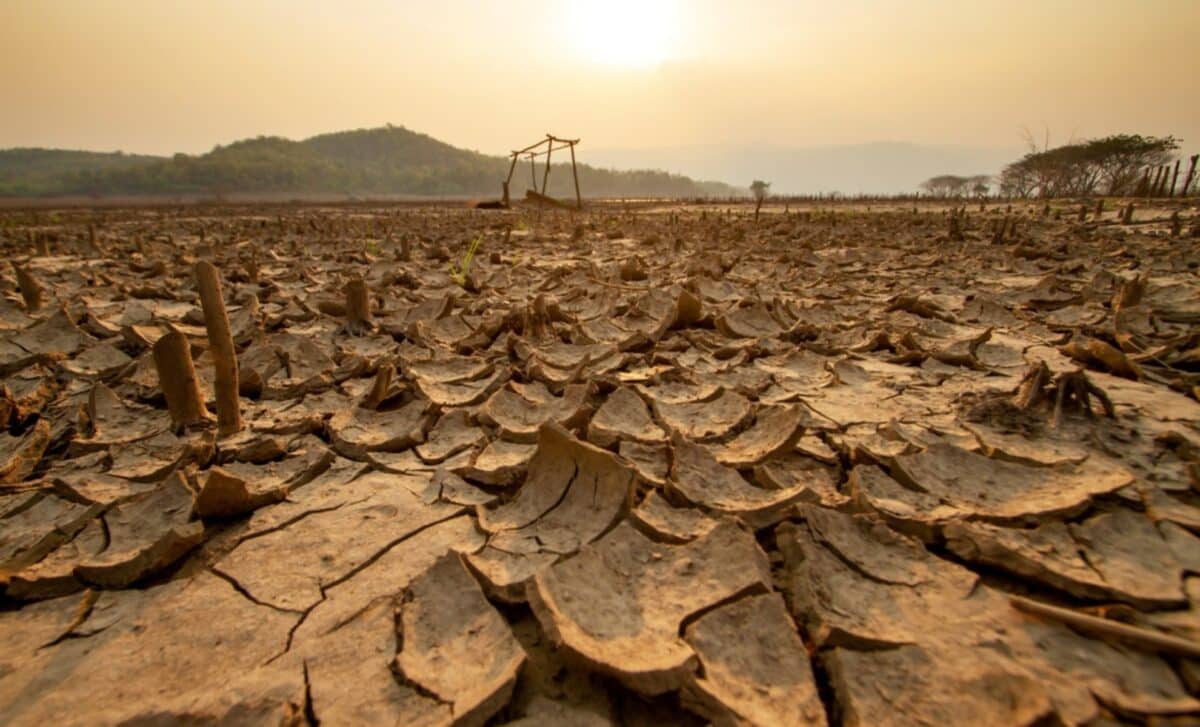
Scientists and market analysts warn that rising temperatures, droughts and heavier rainfall could create greater uncertainty for agricultural production and commodity prices.
Food Markets Face Growing Weather Risks
Agriculture is among the sectors most exposed to climate variations. Recent increases in commodity prices have already been observed, with agricultural products rising in value in recent weeks. Analysts at Man Group estimate that crop yields could decline in some affected regions, with potential consequences for global food prices.
Crops such as coffee, cocoa, wheat, corn and rice are considered particularly vulnerable because extreme heat can affect important stages of plant development. Bank of America analysts have highlighted the growing sensitivity of agricultural markets to temperature changes, pointing to Europe’s faster warming trend compared with other continents.
Energy and Metals Also Affected
The effects of climate volatility extend beyond agriculture. Analysts say extreme weather can influence demand and production conditions in energy and industrial markets. Copper production, for example, requires large amounts of water, meaning drought conditions could create supply pressures.
The production of aluminium is also highly dependent on electricity availability, creating additional pressure as cooling needs, food production and rising energy demand compete for resources.
Climate Uncertainty Becomes a Market Factor
The interaction between El Niño and long-term warming trends is increasing attention among investors, businesses and policymakers. While El Niño is a temporary climate cycle, global warming is changing the background conditions in which these events occur. This combination creates greater uncertainty for sectors dependent on stable weather patterns, including agriculture, energy and raw materials.
The months ahead will provide further indications of how strongly the current El Niño event affects temperatures, weather patterns and global markets.