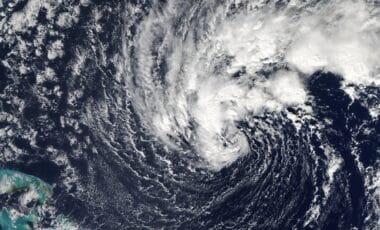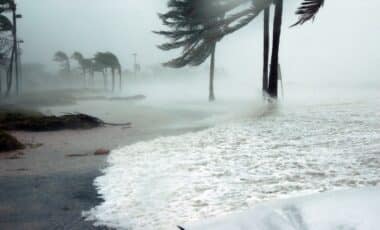
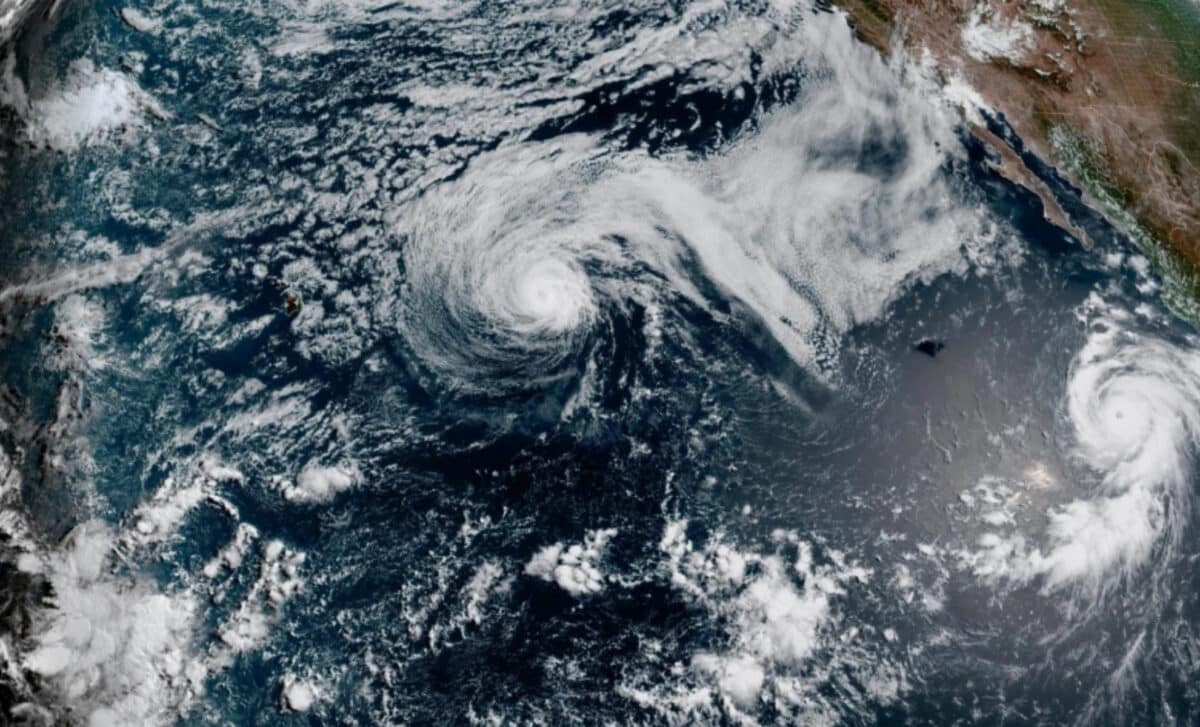
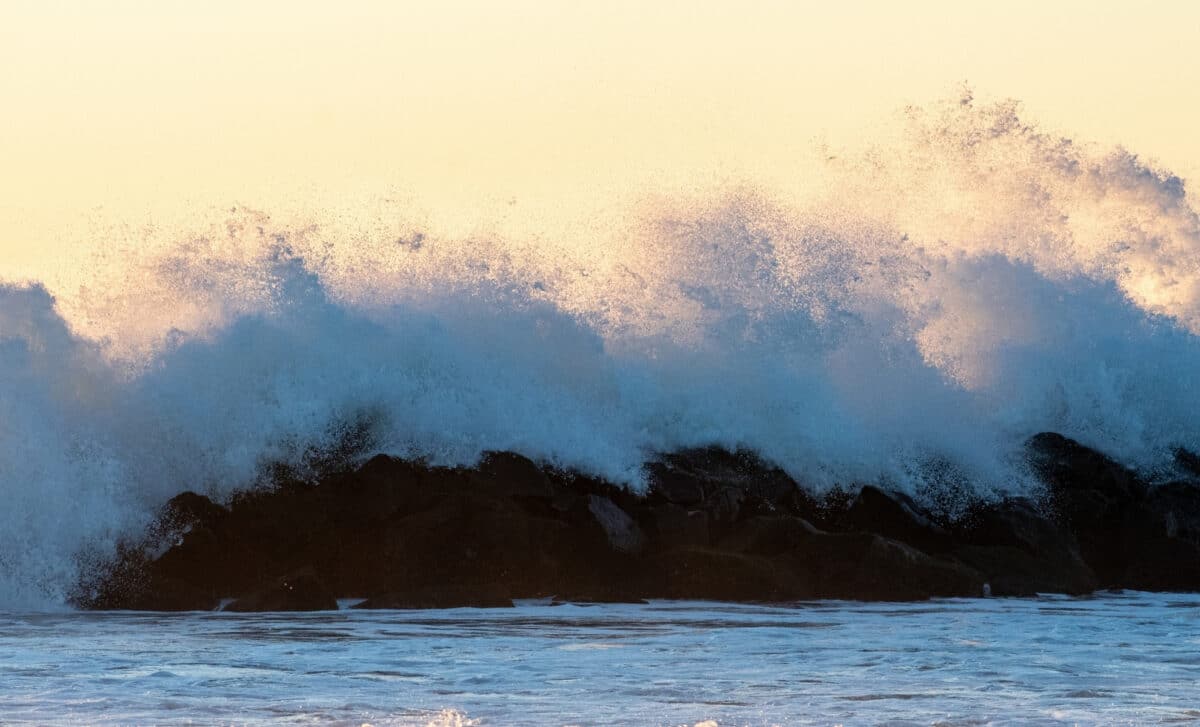
The hurricane is moving offshore in the eastern Pacific while sending powerful swells toward the US coastline. Officials are warning residents and beachgoers about hazardous conditions as waves and possible seawater overflow threaten some coastal locations.
The National Weather Service has issued multiple advisories across Southern California, including a high surf advisory through Saturday evening, a coastal flood advisory until early Saturday morning and a beach hazards statement for dangerous conditions.
Local crews have been reinforcing coastal defenses as heavy surf affects beaches. In Long Beach, workers have built up sand berms and strengthened barriers near areas where seawater could reach nearby neighborhoods.
Coastal Communities Reinforce Defenses Against Rising Surf
Southern California communities are preparing for waves between seven and nine feet as Hurricane Genevieve continues producing rough ocean conditions. Officials are focused on limiting the impact of possible coastal flooding in exposed areas.
In Long Beach, crews spent Wednesday building protective sand berms and repositioning plywood barriers after heavy surf struck the shoreline overnight. Marine Safety Battalion Chief Cameron Abel said teams were working continuously to prevent seawater from moving into nearby communities.
“Once the waves break through that berm, they will hit that sea wall,” Abel said. “We fortified the sea wall with dense plywood to kind of stop as much spillover.”
According to CBS, footage from the beach showed tractors piling up large amounts of sand to strengthen the barriers. Aerial video later showed waves surrounding one of the vehicles as the surf began flattening the newly built berm.
Abel said crews were closely monitoring homes between 62nd Place and 69th Place while overnight work continued to improve coastal protection.
Genevieve Remains Powerful After Brief Category 5 Status
Hurricane Genevieve briefly became the first Category 5 hurricane since 2024 before weakening over the eastern Pacific. The storm later dropped to a high-end Category 3 hurricane but continued producing maximum sustained winds of 125 mph.
The hurricane was located around 530 miles southwest of the southern tip of Mexico’s Baja California Peninsula on Tuesday. Although the center of the storm remained offshore, its large wind field generated long-period swells that traveled hundreds of miles across the Pacific.
According to AccuWeather Lead Hurricane Expert Alex DaSilva, the increased surf threat affected a wide section of the western coastline.
“We are very concerned about increased surf,” DaSilva told Newsweek. “Anywhere across Western Mexico all the way up to Southern California.”
DaSilva said California was already experiencing rough surf conditions that were expected to worsen during the week.
Weather Officials Continue Warnings as Genevieve Weakens
Forecasts indicated that Hurricane Genevieve would continue weakening as it moved over cooler waters, eventually falling below major hurricane strength before becoming a tropical storm.
Even as the storm loses intensity, officials are warning that dangerous surf and deadly rip currents can still occur while a hurricane remains hundreds of miles offshore.
According to the National Weather Service, the current advisories highlight the risks linked to high surf, coastal flooding and hazardous beach conditions across Southern California.
Forecasters are also tracking Tropical Storm Fausto in the Pacific as it moves toward Hawaii.