
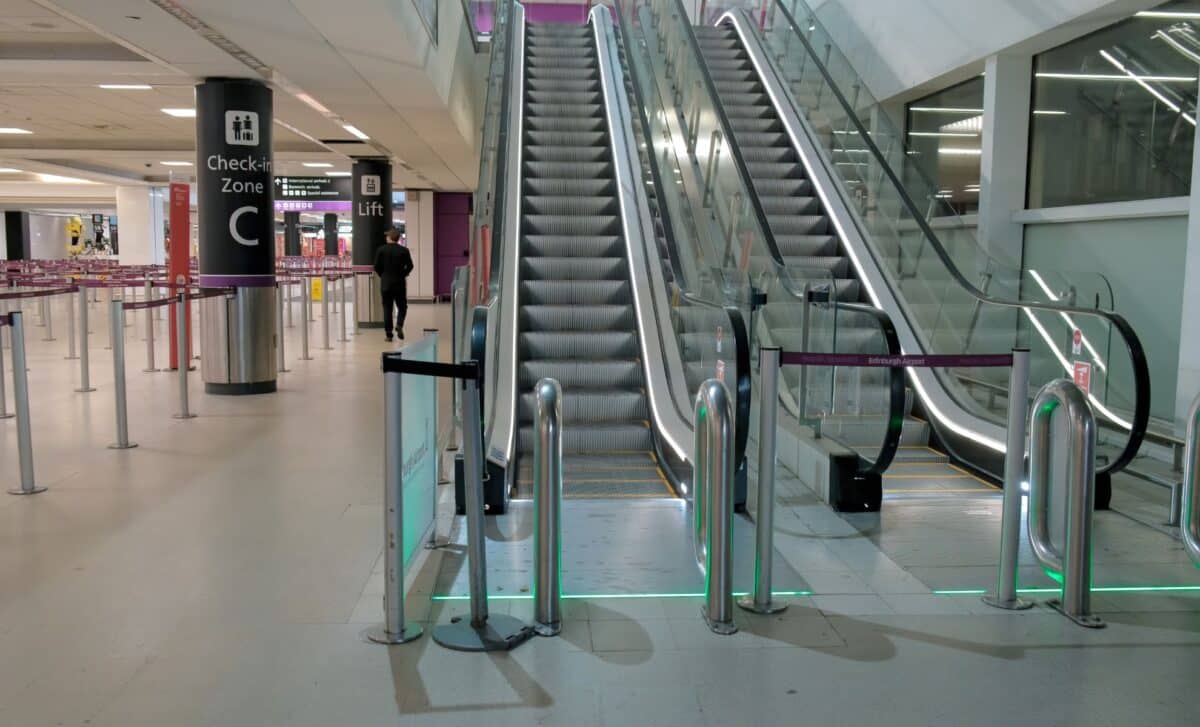
Drivers using Edinburgh Airport’s terminal drop-off zone now face a charge of £8.50, following a sharp increase introduced this week. The new fee marks a 42 percent rise from the previous £6 rate and places the Scottish hub among the most expensive airports in the UK for passenger drop-offs.
Airport executives said the decision was driven by rising operating costs, including what they described as an unplanned £8 million increase in business rates. According to airport officials, the additional costs could not be absorbed without passing some of the burden onto passengers.
Edinburgh Airport, Scotland’s busiest airport, handled around 17 million passengers last year. The revised fee applies to drivers using the main terminal forecourt for a stay of up to 10 minutes, covering both pick-ups and drop-offs.
The increase comes as airports across the UK continue to raise charges linked to passenger access and parking. According to reports, most major UK airports currently charge around £7 for drop-offs, while London Gatwick and London Stansted charge £10.
Airport Blames Rates Increase for New Charge
Edinburgh Airport said the new pricing structure was introduced after a significant rise in non-domestic rates imposed on the terminal. Gordon Dewar, the airport’s chief executive, described the increase as “wholly disproportionate” and said it had an immediate effect on the airport’s finances.
According to statements reported by several UK outlets, airport leaders said the rates increase amounted to 142 percent. Dewar stated that the additional cost was equivalent to funding around 200 jobs, two aircraft stands, or five new security lanes.
“We had not planned to raise fees this year,” Dewar said. “But like many across the hospitality and tourism sectors who have seen business rates soar, we have no choice but to pass part of this cost on to passengers.”
The airport also ended its previous 50 percent discount for electric vehicle drivers. That means EV owners now pay the same £8.50 fee as all other motorists using the terminal drop-off area. At the same time, the airport confirmed that its free drop-off and pick-up zone will remain available. Drivers can still park there free of charge for up to 30 minutes, and airport management said additional spaces are being added to that area.
Edinburgh Joins List of UK Airports With Highest Fees
The revised charge places Edinburgh Airport alongside Bristol Airport at £8.50, making both among the most expensive airport drop-off locations outside London. Only Gatwick and Stansted currently charge more, with £10 drop-off fees.
The issue of airport drop-off charges has become increasingly contentious in recent years, particularly as fees have risen steadily across the country. According to The Independent, such charges became widespread after the attempted attack on Glasgow Airport in 2007, when airports reconfigured terminal forecourts to strengthen security measures.
The latest increase has also drawn attention because of wider concerns around travel costs. Edinburgh Airport is already linked to the city center by tram, though airport fares are significantly higher than standard city journeys. According to The Independent, the tram fare to the airport rises from £2.40 to £7.90 for airport-bound passengers.
A spokesperson for the Scottish Government said that airport property valuations are handled independently by Scottish Assessors. The government also stated that transitional relief measures are in place and estimated Edinburgh Airport’s net non-domestic rates bill for 2026-27 at around £8.1 million, compared with £5.4 million before revaluation.