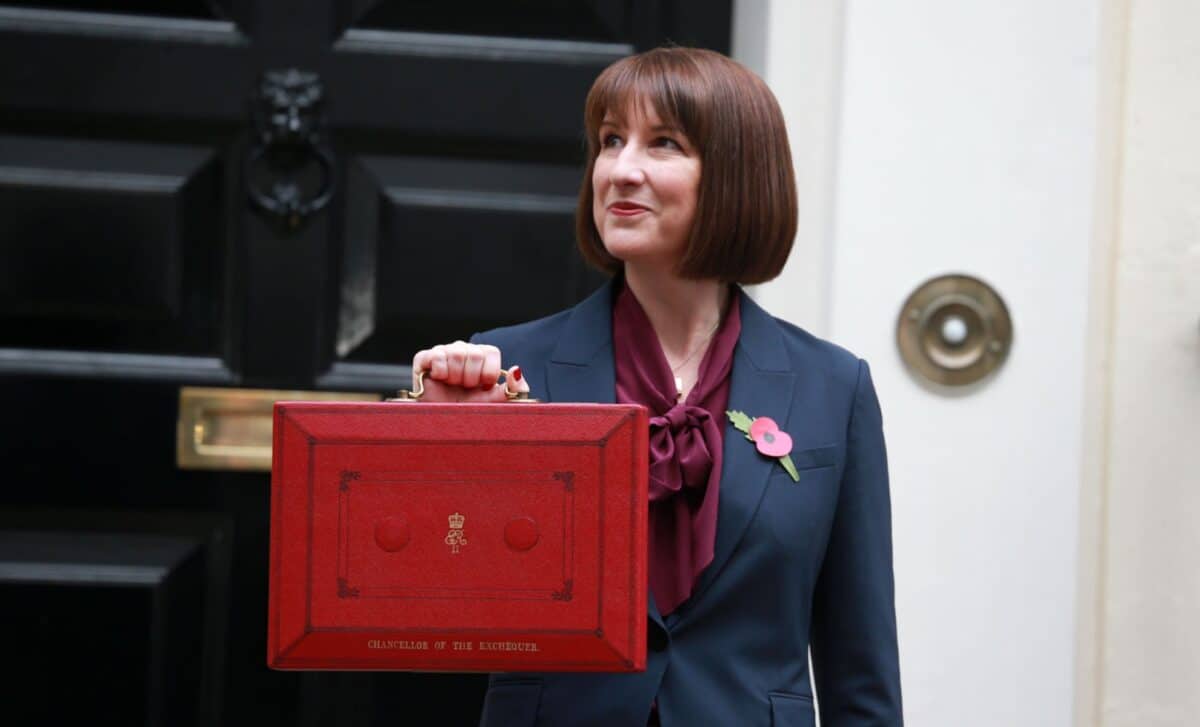
The government has unveiled a £120 million support package for the UK ceramics sector, with Chancellor Rachel Reeves confirming the intervention in the House of Commons. The funding is aimed at stabilising an industry that has seen several prominent firms collapse in recent years amid soaring energy bills and intensifying competition from overseas manufacturers.
The package comprises two equal parts: £60 million in capital funding to help manufacturers invest in new equipment for energy efficiency and decarbonisation, and a further £60 million in revenue support to assist firms with elevated operational energy costs. Business Secretary Peter Kyle described the announcement as “the boldest intervention into ceramics and the largest opportunity that government has presented to ceramics for well over a generation.”
A Sector Under Sustained Pressure
The ceramics industry’s dependence on gas, which accounts for 90% of its energy consumption, according to research commissioned by Stoke-on-Trent City Council, had left manufacturers particularly exposed to price shocks following the conflict in Ukraine. Previously announced government support focused primarily on electricity bills, providing what the council’s report described as “minimal relief” to an overwhelmingly gas-intensive sector.
The consequences have been visible across the industry. Denby Pottery, the Derbyshire-based manufacturer, went into administration earlier this year, citing rising energy and labour costs, with manufacturing ceasing in April and more than 100 jobs lost. Moorcroft, the Stoke-on-Trent producer, collapsed last year before being rescued by the founder’s grandson. Royal Stafford is among other significant British names to have failed in recent times.
The number of ceramics firms in north Staffordshire fell from 137 in 2018 to 123 by 2024, according to the council’s Ceramics Sector Assessment. Despite this contraction, the same research (compiled by Kada and Ortus Economic Research) found that net company worth had increased in advanced and technical ceramics, sanitaryware and refractory products, with supply chain turnover rising 35% between 2018 and 2024.
Industry Response and Future Delivery
Rob Flello, chief executive of industry body Ceramics UK, welcomed the announcement, saying he was “delighted” by what he called “a fantastic recognition of the importance of the UK ceramics industry.” He acknowledged the funding had arrived too late for some firms, but said it had been “long fought for” and required considerable lobbying to secure. Ceramics UK has been asked to work alongside civil servants to design and implement how the scheme will operate.
Iain Martin, chief executive of Emma Bridgwater, described the package as “positive” following years of “quite severe headwinds” around energy, labour and overseas competition. With around 120 brands remaining in the sector, Martin said the industry “has a future,” though the money “can’t come soon enough really.”
Kyle confirmed the government would work with the sector to determine the final delivery mechanism, with applications expected to open during the summer. Eligibility will extend across the industry, covering producers of refractory products, clay building materials, household ceramics and technical ceramics.
Stoke-on-Trent employs approximately 3,000 people in the ceramics sector. Ceramics UK noted the industry underpins wider manufacturing, supplying components used in steel production, aerospace, defence, clean energy, electronics and medical equipment.