Energy customers across Great Britain are being reminded that the Ofgem price cap rises on 1 July, with millions of households on standard tariffs facing a notable jump in unit rates. The change affects how much suppliers can charge for gas and electricity, and it has particular consequences for those whose usage is not tracked automatically.
For the roughly 5.3 million households on standard tariffs without a working smart meter, the timing matters. Without an up-to-date reading, suppliers may estimate consumption across the cut-off point, meaning some June usage could end up billed at the higher July rate rather than the lower one that applied beforehand.
The New Rates and Their Effect on Household Budgets
From Wednesday, the typical annual dual-fuel bill will rise by £221, taking it from £1,641 to £1,862, according to the figures cited by Uswitch and consumer journalist Martin Lewis. For those paying by direct debit, electricity charges will increase from 24.67p to 26.11p per kilowatt hour, while gas will rise from 5.74p to 7.33p per kWh.
It is worth noting, that the price cap does not place a ceiling on total bills; it instead limits the unit rates suppliers can charge, so households using more than the assumed average will pay more than the headline figure suggests.
Susannah Streeter, head of money and markets at Hargreaves Lansdown, described the rise as “a highly unwelcome change, just as bills had been reducing,” pointing to soaring wholesale costs as the driver. She added that the squeeze on household budgets is likely to leave families with less to spend on things like eating out, holidays and shopping, with knock-on pressure for retailers and hospitality businesses as consumers tighten their spending.
Why Households Are Being Told to Act Before Midnight
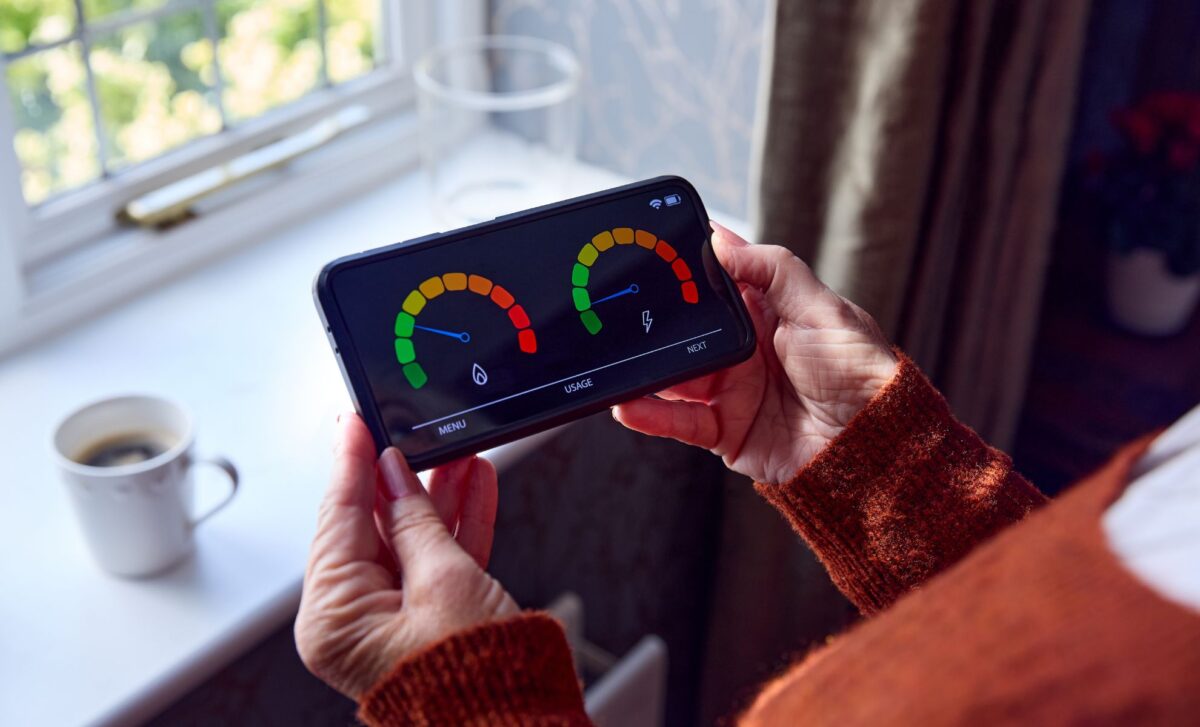
Martin Lewis has urged anyone on a standard variable tariff without a functioning smart meter to take a reading, or a photograph of their meter, before the change takes effect. According to Lewis, suppliers generally allow these readings to be backdated by a few days, so there is no need to do it at the exact stroke of midnight. “You can backdate, go and get a meter reading,” he said on his BBC Sounds and Spotify podcast, adding that taking a photograph offers extra reassurance.
Energy expert Ben Gallizzi, of the price comparison site Uswitch, echoed the call for households to submit readings on or around 1 July so suppliers have an accurate account of usage. He also pointed out that fixing a tariff remains an option for some: at the time of writing, Uswitch’s best buy table showed 27 fixed deals priced below the new cap, with the cheapest sitting some way under the standard rate.
The rise itself has been attributed to a spike in global energy market prices linked to the war involving Iran, though there is a degree of cautious optimism attached to the months ahead. Energy Secretary Ed Miliband acknowledged the difficulty the increase poses, saying the rise “because of a war we did not choose is deeply unwelcome news for households across the country,” while pointing to continued government investment in clean, homegrown energy as part of a longer-term effort to bring bills down.
A further rise had been anticipated when the cap is next reset in October, though that now looks less likely following an interim peace deal between the US and Iran, which has helped push wholesale gas prices down