Britain’s winters are becoming milder and its summers hotter as climate change reshapes the country’s seasonal weather patterns. New Met Office analysis reveals a nationwide decline in winter frosts and a sharp increase in hot summer days, with consequences for agriculture, wildlife and food production.
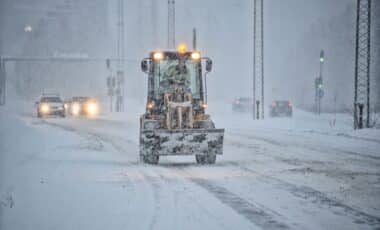
Britain’s winters are losing their freezing days
According to BBC Weather, the latest analysis from the Met Office shows that the number of winter air frost days across the UK fell by around 25% in the decade to 2025 compared with the 1961–1990 average.
Southern England recorded a reduction of approximately one-third. Cornwall saw its average number of winter frost days fall from 18 to 10, while the Isle of Wight experienced a similar decline, from 21 to 11 days.
Scotland remains the coldest UK nation in terms of winter frost frequency, despite a reduction from 45 to 38 days per winter.
“Our summer is getting wider and our winter is getting smaller,” says Dr. James Pope, climate scientist at the Met Office.
“The driver of this is that the whole global climate is warming. And that impacts on the UK.”
Fewer frosts doesn’t mean frost-free winters. Across the UK winter air frost days averaged around 38 during 1961–1990, compared to around 28 in 2016–2025. Wintry threats remain part of our changing climate. Read more: https://t.co/4QQXuSSLlo
— Met Office (@metoffice) November 26, 2026
Extreme summer heat is becoming more frequent
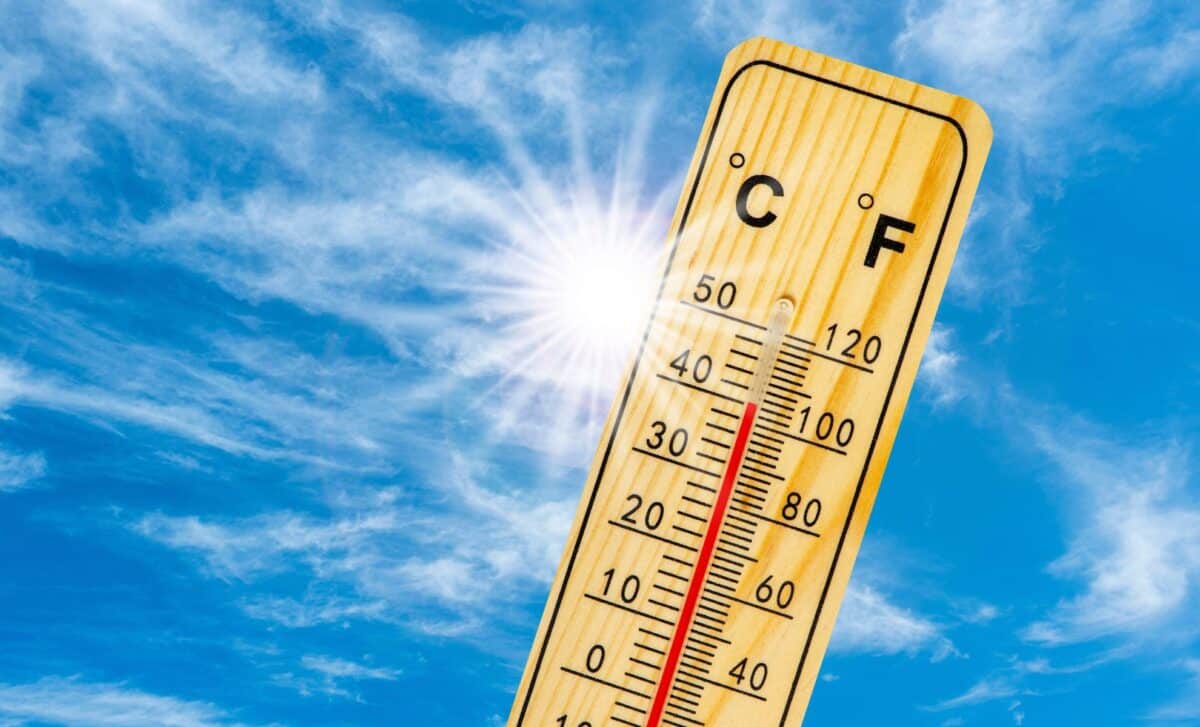
The average number of UK summer days reaching 25°C (77°F) has more than doubled. Essex and Suffolk recorded particularly large increases, gaining almost 13 warm summer days each compared with the historical reference period.
Days reaching 30°C (86°F) have also become more common, increasing fourfold nationwide, from 0.3 to 1.2 per summer. In Greater London, the average rose from 1.3 to 6.1 days.
Provisional Met Office figures identify summer 2026 as the hottest on record, with five widespread heatwaves and 40 days exceeding 30°C.
“Some areas went from their wettest ever winter to a severe drought via a record-breaking summer for the whole country,” Pope says.
Farmers are rethinking what they grow
The combination of wetter winters and hotter, drier summers is disrupting British agriculture. Excessive winter rainfall complicates planting, while summer droughts restrict water supplies needed for irrigation.
John Walgate, CEO of British Growers, reported that yields of crops such as cauliflower, cabbage and broccoli fell by approximately 50% this year. Potatoes, carrots and onions also suffered from water shortages.
Other crops have benefited from warmer conditions. Norfolk farmer Tim Young planted a vineyard to diversify his family’s farming business, harvesting twice the expected quantity of grapes last year as warmer temperatures expand Britain’s potential wine-growing regions.
Wildlife faces changing seasonal cycles
Warmer winters are disrupting the natural rhythms of several British species. Bats increasingly emerge from hibernation before sufficient insects are available, while amphibians that spawn earlier remain vulnerable to sudden cold spells.
Earlier spring temperatures are also altering when oak trees develop leaves and caterpillars hatch.
Some species are benefiting from the changing climate. Great white egrets, once rarely observed north of the Mediterranean, have established breeding populations in Somerset. Around 73 chicks were born at Avalon Marshes last year.
Britain faces a warmer future
Climate scientists estimate that long-term global warming has reached approximately 1.4°C above preindustrial levels, driven primarily by fossil fuel consumption.
Met Office projections suggest that seasonal changes will continue as global temperatures rise, with extreme cold becoming less frequent and summer heat intensifying.
At 2°C of global warming, Britain could experience just 24 winter frost days annually, compared with 38 during the 1961–1990 reference period. The average number of summer days reaching 25°C could increase from just over four to around 15.