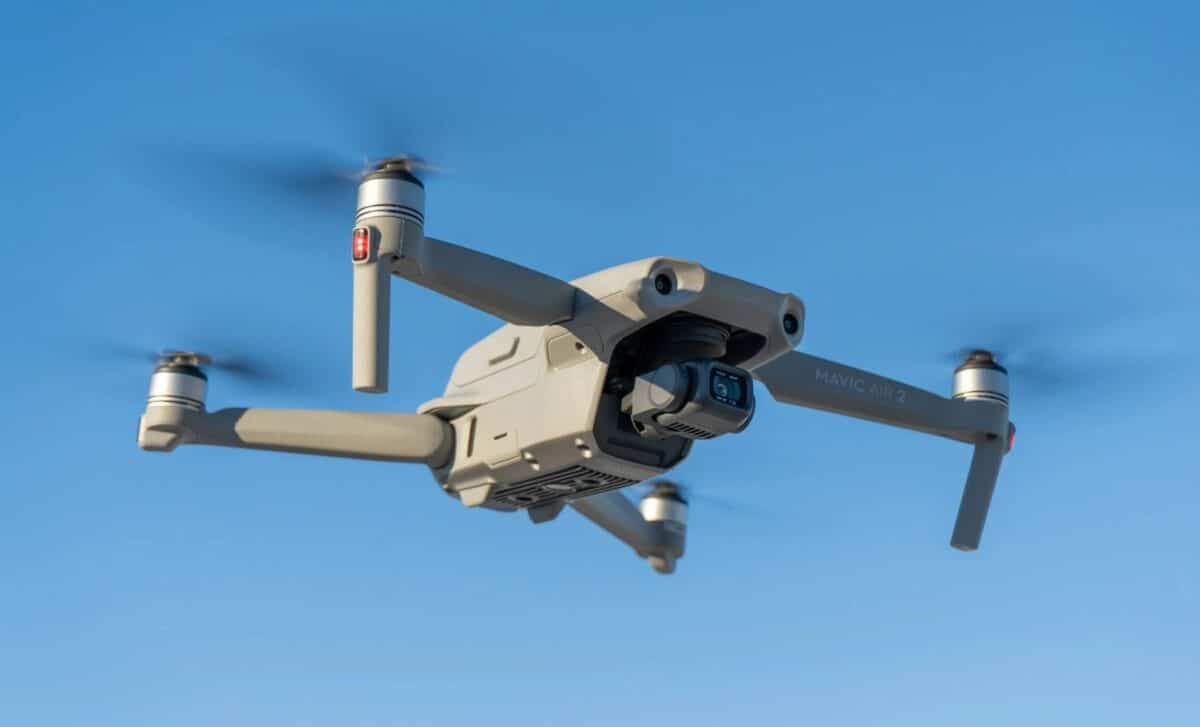
The UK government has announced a £2 million trial to equip police with technology capable of identifying drones through digital number plates. The London-based initiative aims to combat illegal drone activity, strengthen security at major events, and support the expansion of commercial and medical drone services.
Police to Track Drones Using Digital Number Plates
The government-backed trial will give police new tools to detect the digital identification signals associated with drones, allowing officers to distinguish legitimate flights from potentially dangerous or unauthorized operations.
According to Birmingham Live, the initiative is designed to address security risks and disruption caused by drones operating illegally, particularly during major public gatherings. The technology will enable police to identify aircraft more effectively and improve their response to security incidents.
Transport Secretary Heidi Alexander said:
“Dangerous and nuisance drones can have a real impact by showing up and disrupting major events – not only spoiling the fun but creating a security risk.
“That’s why we’re putting new technology in police hands to track the ‘number plates of the sky’ and crack down on illegal use.
“Our £2 million investment will strengthen security while supporting an industry that could transform vital services, create jobs and generate up to £103 billion for the UK economy.”
Unlike conventional vehicle registration plates, these digital number plates rely on electronic identification rather than physical markings that officers must read from a distance.
Government Funding Targets Safer Commercial Drone Operations
The Department for Transport (DfT) is providing £1.2 million in funding for the trial, which also seeks to improve how drones operate alongside other aircraft in shared airspace.
The initiative extends beyond law enforcement. Improved drone identification could help create safer operating conditions for businesses developing aerial delivery networks, including companies transporting consumer goods and medical supplies.
Commercial services such as Amazon’s drone deliveries could benefit from an environment where authorities can more readily distinguish authorized flights from illegal activity.
The government’s projected economic benefits of up to £103 billion reflect the wider potential of the drone industry rather than the anticipated direct financial return from the London trial.
New digital number plates to help police crackdown on criminal drone use: https://t.co/Bub6EbS1Hp https://t.co/NZFA37eV5q
— DronesLanding (@droneslanding) November 26, 2026
NHS Drone Deliveries Could Benefit From the New Technology
Healthcare logistics company Apian, which already operates drone delivery services for the National Health Service (NHS), sees improved identification technology as a means of supporting the expansion of medical transport operations.
Louisa Smith, Chief Operating Officer at Apian, said:
“Our NHS drone services are already helping clinicians provide vital care through faster deliveries and quicker test results.
“These services depend on close collaboration with aviation partners, regulators and security services.
“Giving the police better tools to identify drones and distinguish authorised operations from potentially illegal activity will help build confidence in the safe and responsible use of drones.”
The company’s plans extend beyond existing medical delivery operations. Apian wants to establish a wider aerial logistics network connecting healthcare facilities across the British capital.
“Our ambition is to connect hospitals and laboratories across London, rapidly delivering pathology samples, medicines, blood and transplant organs wherever the NHS and patients need them.
“Achieving this will require continued collaboration and the development of solutions that enable safe and reliable drone operations at scale.”
The London trial will therefore address both public security and the operating requirements of legitimate drone services. Of the £2 million announced for the initiative, £1.2 million is being provided by the Department for Transport.