UK inflation remained at 2.8% in May, defying economists’ expectations of a rise to 3%. The latest figures show that easing food price growth helped balance higher transport costs, including air fares, petrol and vehicle taxes.
UK inflation unexpectedly held steady in May, offering a mixed signal for households and policymakers ahead of the Bank of England’s next interest rate decision. According to the Office for National Statistics, Consumer Prices Index inflation was 2.8% in the year to May, unchanged from April and still above the Bank’s 2% target.
The figures suggest that prices are still rising, but not faster than in the previous month. The reading came despite pressure from transport and fuel costs, which have been affected by the conflict in the Middle East. ONS chief economist Grant Fitzner said inflation was held in place by “various price movements” offsetting each other. Food prices rose more slowly, while transport costs moved higher.
Food Inflation Slows While Transport Costs Rise
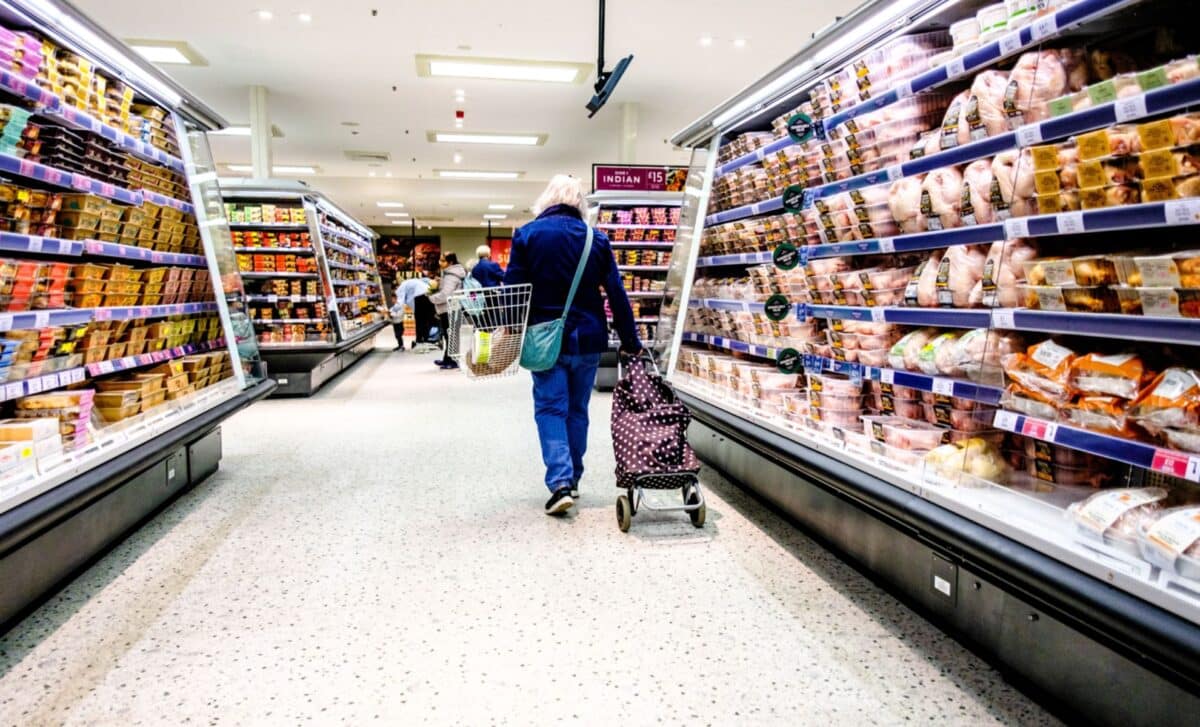
According to the ONS, food and non-alcoholic drink inflation eased to 2.2% in May, down from 3% in April. That was the lowest rate since December 2024. The slowdown was seen across meat, dairy and vegetable items. The BBC reported that beef and veal prices were still 9.4% higher than a year earlier, but the pace of increase had slowed from 13.2% in April and 18.8% in March.
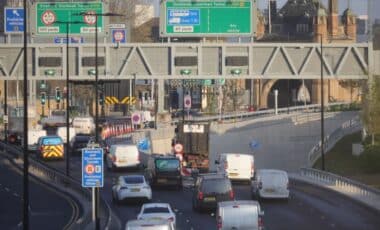
This easing helped offset a sharper rise in transport costs. Transport inflation reached 6.8% in May, its highest annual rate since late 2022. Air fares rose by 10.3% between April and May. According to the Guardian, this compared with a fall between the same two months in 2025 and may have been linked to the timing of Easter and school holidays.
Petrol prices also increased. The average price rose by 0.6 pence per litre between April and May to 157.4p per litre, according to the ONS figures reported by PA.
Bank of England Decision Comes into Focus
The inflation data comes one day before the Bank of England’s latest interest rate decision. Economists widely expect the Bank to hold rates at 3.75%, according to the BBC. The inflation rate remains above target, but the steadier-than-expected reading may reduce pressure for a more forceful response.
Chancellor Rachel Reeves said the Government had “the right economic plan”, pointing to lower energy bills and freezes in fuel duty and rail fares. Analysts also noted that the outlook remains linked to energy costs and the Middle East. According to the BBC, some economists said a US-Iran peace deal could limit further price rises, although supply chains may take months to normalise. For now, the figures show a narrow balance. Food price growth is easing, but transport and fuel costs are still pushing in the other direction.