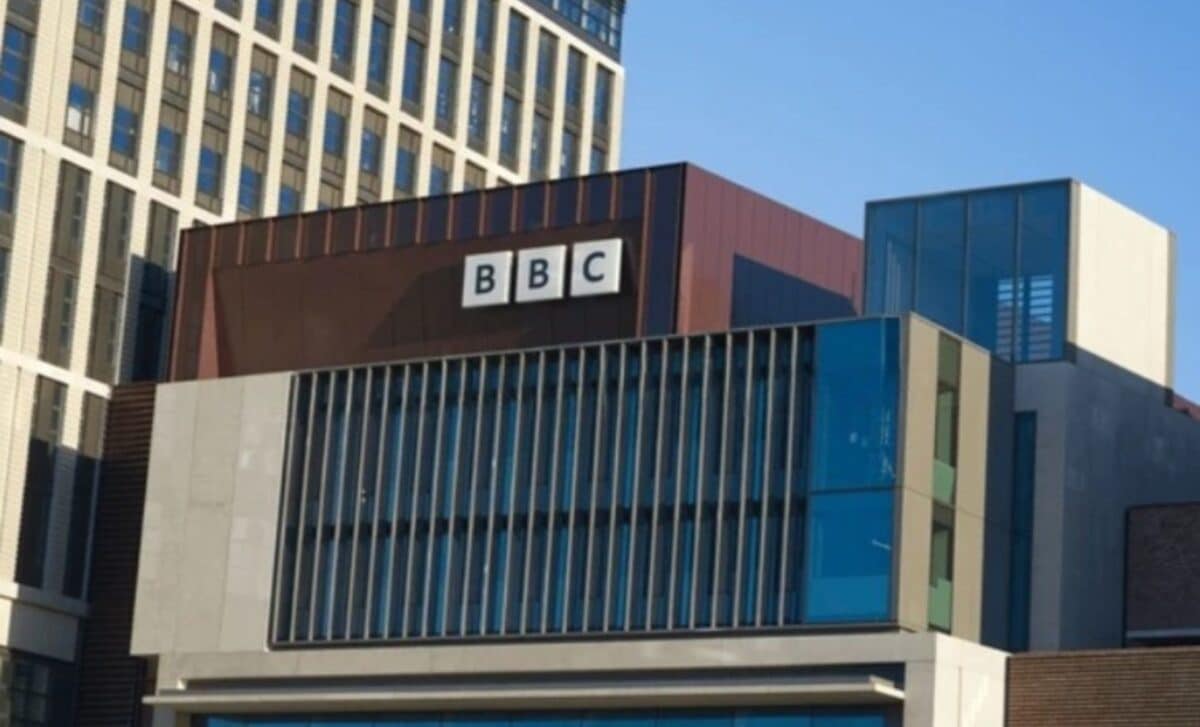
The review comes ahead of the BBC’s Royal Charter expiring on 31 December 2027, with declining licence sales raising questions about the existing system. The government is considering several funding options while seeking to limit costs for households already facing financial pressures.
Government Considers Extending Licence Fee Rules to Streaming Services
According to the Mirror, the Department for Digital, Culture, Media and Sport (DCMS) has confirmed that ministers are examining possible changes to the licence fee following a public consultation on the BBC Charter Review Green Paper.
Under current rules, households must hold a TV licence to watch or record live television on any channel or service, or to use BBC iPlayer. Those watching only on-demand content through platforms such as Netflix, Disney+, Amazon Prime Video or YouTube do not require one.
The standard annual licence currently costs £180, while the black-and-white television licence costs £60.50.
The government’s position follows a petition launched by Alec Burns on 11 June, opposing any extension of compulsory charges to streaming services not operated by the BBC.
The petition had attracted 16,566 signatures when reported, exceeding the 10,000 required to trigger an official government response. Its organisers argue that extending the fee would place additional pressure on household finances and could further damage the BBC’s reputation.
Responding to the petition, the DCMS said it was considering the consultation responses and remained open to different funding arrangements.
According to Chronicle Live, Conservative MP Gregory Stafford also questioned whether the government had assessed extending compulsory licence payments to households accessing only online streaming services.
Minister of State Ian Murray confirmed that the review includes examining which services should require a licence. He said the government’s decisions would be outlined in a White Paper expected before the end of 2026.
Falling Licence Sales Intensify Debate Over BBC Funding
The review comes as the BBC faces continuing declines in the number of households paying the television licence fee. The broadcaster is losing approximately 500,000 licence payers annually, with active licences falling by around 539,000 in a single year to 23.3 million.
Around 3.6 million people have formally declared that they do not need or hold a licence. Government figures also show that the number of licences in force has fallen by three million since 2017/18.
The BBC’s new Director-General, Matt Brittin, has described the existing funding arrangement as a “busted flush” and “yesterday’s model”, arguing that it is no longer fit for purpose.
One alternative proposed by the Social Market Foundation is an £11 monthly Home Internet Levy, added to consumer broadband bills. The think-tank says this would cost nearly £50 less annually than the existing £180 licence.
Culture Secretary Lisa Nandy has ruled out funding the BBC through direct taxation, citing household costs and concerns about protecting the broadcaster’s independence.
Other possibilities under consideration include greater commercial revenue, operational efficiencies and reforms to existing licence arrangements.
The government has also highlighted support for financially vulnerable households, including flexible payment plans and concessions for eligible over-75s and people with visual impairments.
For now, existing licensing requirements remain unchanged. Ministers expect to publish their White Paper before the end of the year, setting out their proposed approach to the BBC’s future funding.