

Electric and plug-in hybrid car owners in the UK could face additional mileage inspections from April 2028. The proposed checks form part of a new pay-per-mile taxation system designed to compensate for declining fuel duty revenues as more motorists switch to electric vehicles.
New Mileage Checks For Recently Registered Cars
According to Express.co.uk, Andy Burnham will oversee changes to vehicle taxation under the government’s planned electric Vehicle Excise Duty (eVED) system, scheduled to take effect on April 1, 2028.
The proposals would require motorists to submit an estimate of their annual mileage, which would subsequently be verified against their vehicle’s odometer during an annual MOT inspection.
Newer vehicles present an administrative challenge. Cars in the UK do not generally require an MOT during their first three years on the road, leaving authorities without an established mechanism for verifying their mileage.
To address this gap, the Treasury intends to introduce separate inspections through accredited providers. Eligible electric and plug-in hybrid vehicles registered after April 1, 2025, could therefore require mileage checks before their first mandatory MOT.
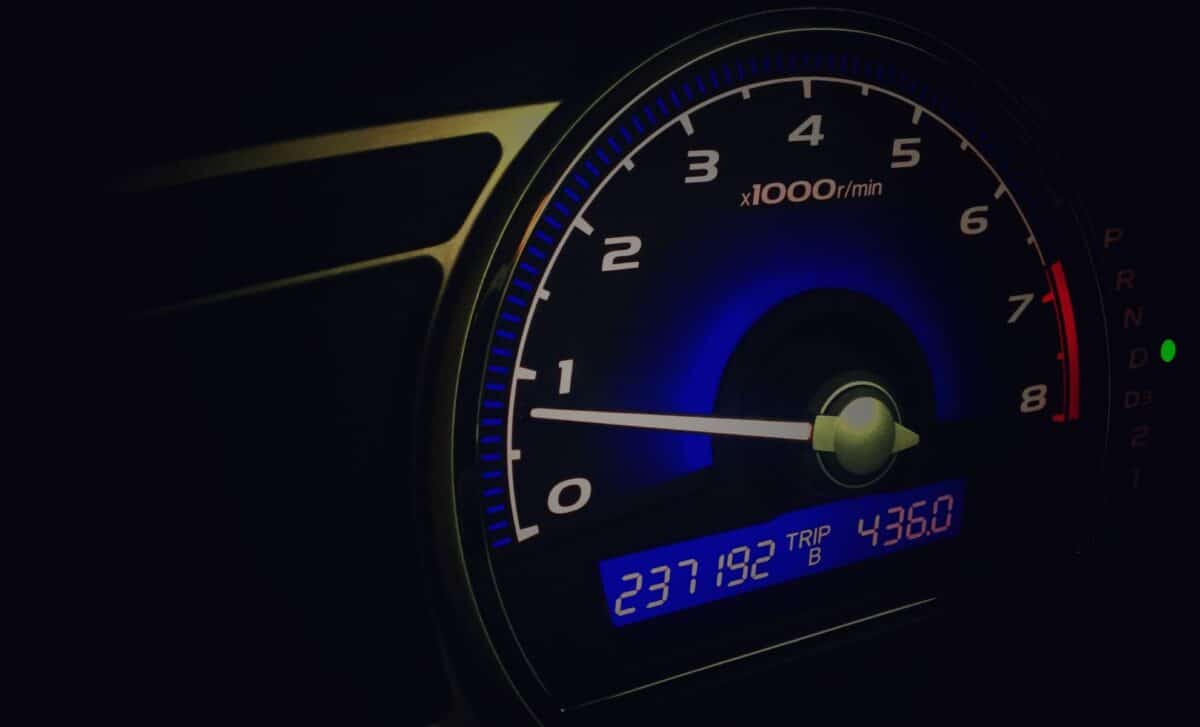
Drivers Could Face Additional Vehicle Inspections
The Treasury has outlined how the proposed inspections could operate for motorists whose vehicles are still exempt from annual MOT requirements.
The Treasury explained: “Cars under three years old are not currently required to have an annual MOT. The government currently intends for these cars to attend an additional mileage check at an accredited provider around their first and second anniversary, but welcomes views on whether these additional checks should be required.
“For many motorists, this will be able to be combined with other routine servicing and safety checks that their vehicle will typically require in this period.”
Combining mileage verification with scheduled maintenance could reduce the need for separate garage appointments. The government has yet to finalize whether these additional mileage checks will become mandatory.
How Much Drivers Will Pay Under The New System
Under the planned eVED framework, fully electric vehicles will be subject to a charge of 3p per mile, while plug-in hybrid vehicles will face a lower rate of 1.5p per mile.
An electric car owner covering 10,000 miles annually would face an additional £300 tax bill. A plug-in hybrid driver covering the same distance would pay £150.
These charges will apply on top of existing Vehicle Excise Duty (VED) payments rather than replace them.
Annual tax bills will be adjusted once actual mileage has been verified. Drivers who exceed their original estimates will have to cover the difference, while motorists who travel fewer miles than anticipated will receive a refund.
The new tax is intended to offset the loss of fuel duty revenue associated with the transition away from conventional gasoline and diesel vehicles.
Treasury Considers New Ways To Record Vehicle Mileage
Government officials are also examining how technology could improve the accuracy of mileage readings and reduce errors associated with manual data entry.
The Treasury added:
“The government will consider options to strengthen the approach to capturing mileages at MOT (and for the period prior to the first MOT). This will include considering methods accredited providers could use to more efficiently and reliably extract data from cars, reducing scope for human error from writing down numbers from the vehicle display.”
The proposed measures would extend mileage verification beyond the existing MOT system, which already records odometer readings during annual inspections. For eligible vehicles under three years old, the Treasury’s current proposal would introduce checks around their first and second registration anniversaries.