
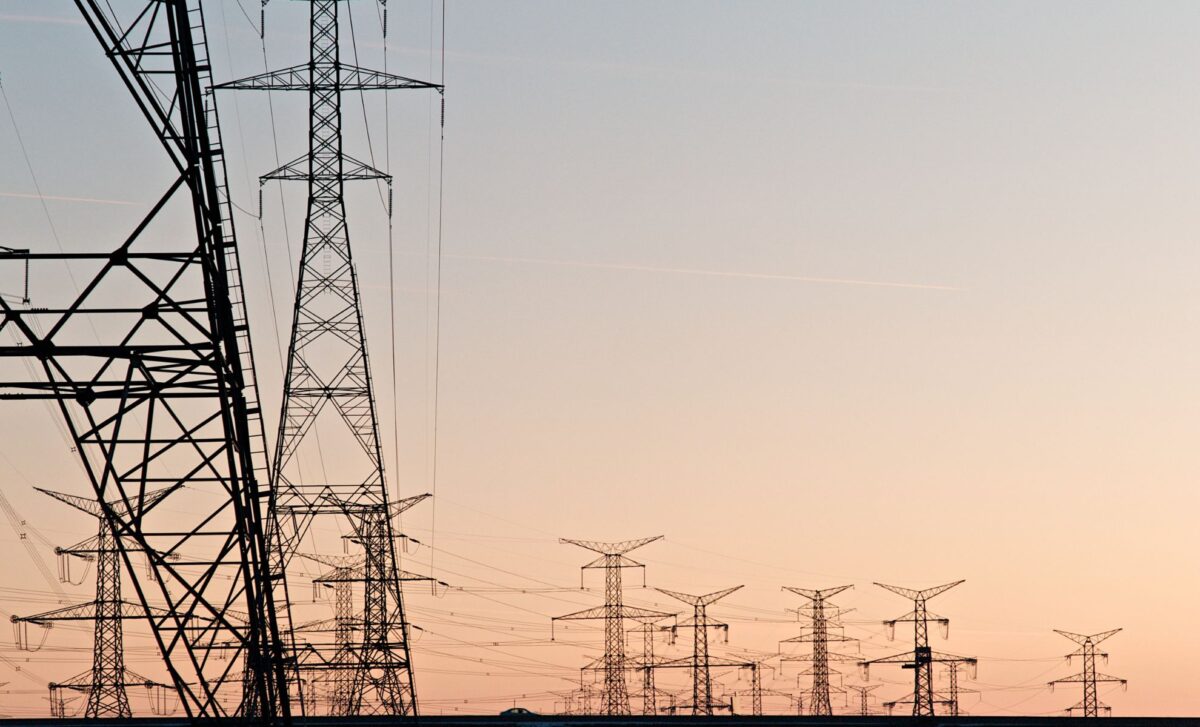
The National Energy System Operator (Neso) stressed that the notices did not indicate an imminent threat of power cuts. The frequency of the alerts has nevertheless raised questions about Britain’s transmission infrastructure and its ability to distribute electricity from renewable sources to areas where demand is highest.
Electricity Reserves Come Under Mounting Pressure
According to The Independent, Neso expected a shortfall of 2,500 megawatts (MW) in its desired supply margin between 7am and 10am on Friday. A further shortfall of 2,400 MW was anticipated between 2pm and 8pm, covering the period when household electricity consumption typically rises.
An electricity margin notice (EMN) is a mechanism through which the grid operator asks electricity producers to make additional generating capacity available. It is intended to maintain a reserve of power that can be called upon when required.
Eleven such notices have reportedly been issued this year, exceeding the number recorded over the previous five years combined.
Neso attributed the recent alerts to market conditions and restrictions arising from maintenance and reinforcement work undertaken by transmission network owners. Around 6,000 MW of capacity was being constrained by these network limitations.
“This is not a warning of power cuts, there is no risk to customer electricity supplies and customers do not need to take action,” a Neso spokesperson said.
The operator also confirmed that the notices had successfully helped maintain the required safety margin by encouraging electricity producers to make additional capacity available.
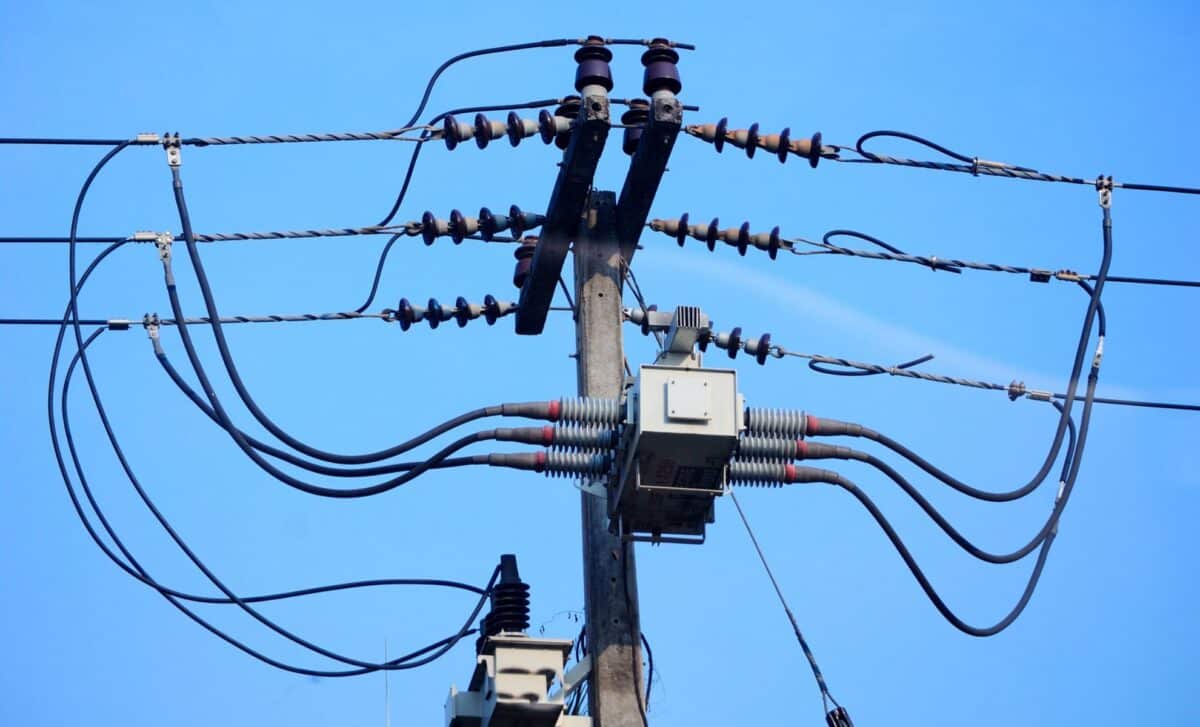
Transmission Bottlenecks Expose Weaknesses in Britain’s Grid
According to the Mirror, one of the suspected bottlenecks lies around the border between Scotland and England, where transmission restrictions have limited the flow of electricity generated by Scottish wind farms towards areas of higher demand further south.
Andrew Larkins, an energy consultant and former Neso adviser, told BBC Radio 4 that Britain was generating substantial amounts of electricity and exporting power to continental Europe while experiencing difficulties distributing electricity domestically.
Much of the existing infrastructure, he explained, dates back to the 1970s or even the 1950s, when power stations were generally situated closer to major population centres. Electricity generation is now spread more widely across the country, particularly with the development of offshore wind farms.
The financial cost of balancing the system has also attracted scrutiny. According to the Daily Mail, balancing costs reached a reported record of £52 million on Thursday, followed by £38 million on Friday afternoon.
Laura Fleming, managing director of Hitachi Energy UK and Ireland, called for investment in transmission infrastructure, smarter networks and greater flexibility in managing electricity supply and demand.
“As renewable generation expands and electricity demand rises, Britain’s energy security depends not just on how much power we generate, but on how effectively we move and manage it,” she said.
Energy regulator Ofgem confirmed that it was conducting an independent review of operational challenges facing the electricity system, including whether Neso had met the standards required of it. The regulator said it would take action where the evidence demonstrated a need to do so.