The warning, issued at 10:11 UTC on Saturday, 21 November 2026, identifies southern Devon and southern Cornwall as areas of particular concern. According to the Met Office, flooding could affect homes, businesses and transport networks, while some communities may face temporary isolation if roads become impassable.
Rainfall Could Reach 100 mm Over Dartmoor As Weather System Slows
The Met Office expects a band of rain to become slow-moving across southwest England during Sunday, 22 November, before clearing overnight. Rainfall totals of 20–40 mm are likely across much of the affected region, with higher ground expected to receive between 50 and 70 mm.
Some areas could experience considerably greater accumulations if heavier and more persistent rainfall develops. The forecast identifies Torbay, South Hams and southern Cornwall as particularly exposed locations, where 60–80 mm could fall even in lower-lying areas.
Dartmoor faces the highest forecast totals, with approximately 100 mm possible over its elevated terrain. These figures reflect the potential for localised variations in rainfall intensity and duration across the warning area.
According to the Met Office, the likelihood of the specified impacts is relatively low, at 10–25%, but their potential severity is significant. This combination places the warning within the yellow category.
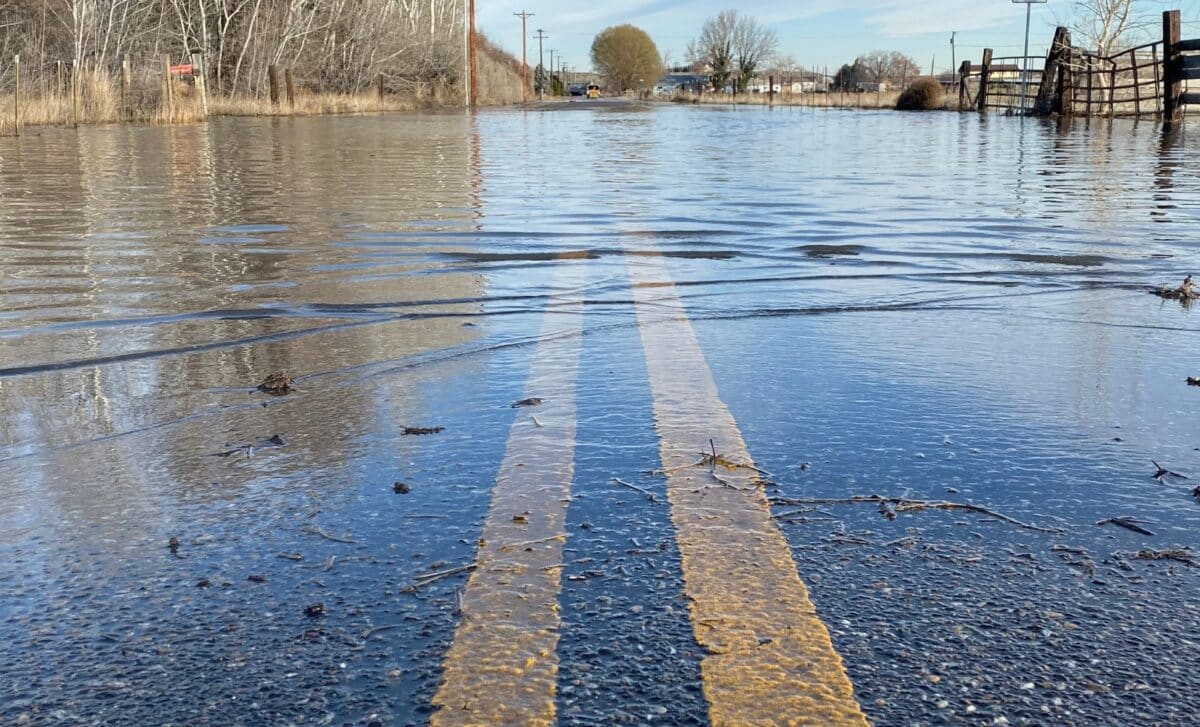
The warning outlines several possible consequences, ranging from flooding inside properties to interruptions affecting local infrastructure. Some buildings could sustain damage, while surface water and spray may create hazardous conditions for motorists.
The forecast also acknowledges uncertainty surrounding the development of heavier rainfall. The possibility of more persistent downpours remains, rather than being presented as a definite outcome.
Flooding Risks Prompt Advice for Households and Travellers
Transport disruption is among the principal concerns highlighted by the weather warning. Flooded roads could become difficult to navigate or require closure, while bus and railway services may experience longer journey times or cancellations.
There is also a small possibility that communities could become cut off by flooded roads. Power cuts and interruptions to other services remain a slight risk for some households and businesses.
According to the Met Office’s heavy rain safety guidance, residents in flood-prone properties should check their exposure, prepare emergency supplies and develop a flood plan.
The guidance recommends charging mobile phones, moving vehicles outside flood-risk areas and placing valuables, including important documents and electrical equipment, above potential floodwater.
Drivers are advised to avoid unnecessary journeys during dangerous conditions. Where travel cannot be postponed, motorists should reduce speed, use dipped headlights and maintain greater distances between vehicles. Walking or driving through floodwater should be avoided.
People trapped inside flooded buildings should move to a higher floor, avoid entering attics where they could become trapped, and call 999 for assistance. Residents can also consult the Environment Agency’s flood information service for local flood advice. The Met Office recommends monitoring forecasts regularly because weather warnings can change quickly as conditions develop.