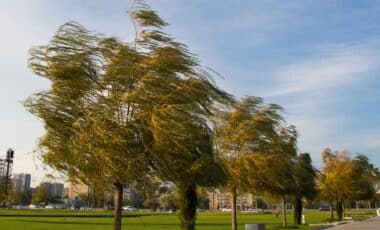
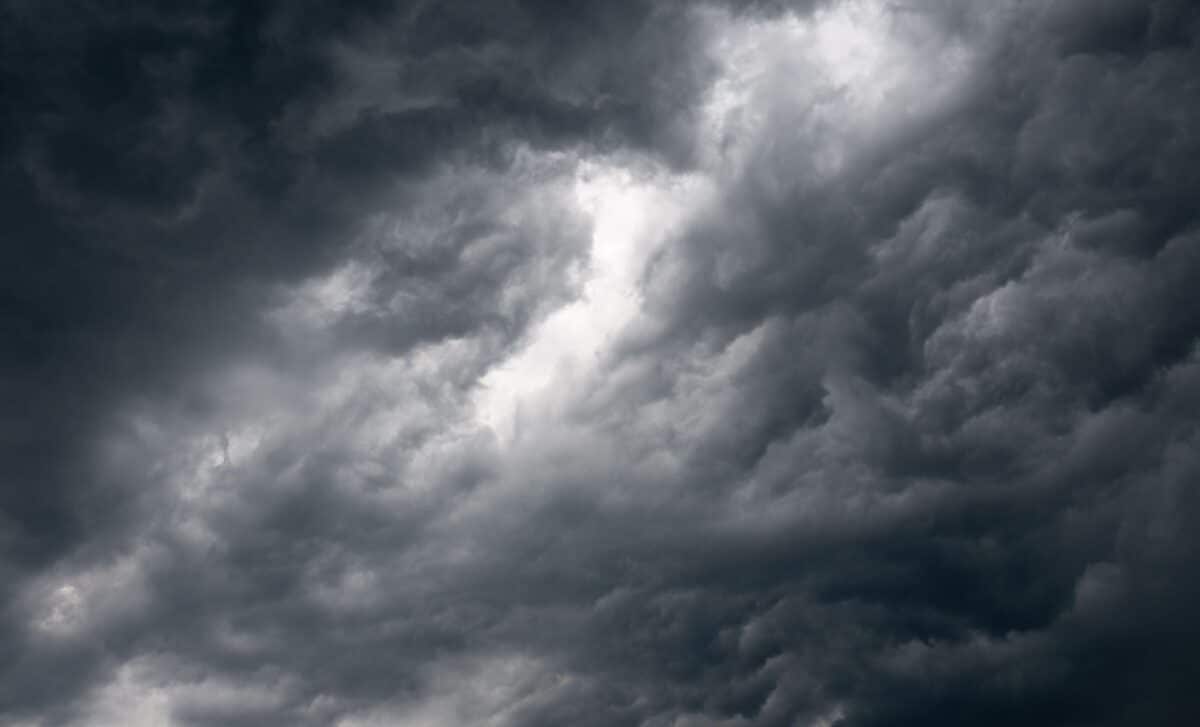
Storm Austen, the first named storm of the 2026/27 season, is expected to bring damaging winds to parts of Britain this week. The Met Office has issued an amber warning for south-west England on Friday, with gusts exceeding 70mph possible in exposed coastal areas.
The approaching storm comes as new research reveals that just 13% of people consider themselves fully prepared for severe winter weather. Despite increased attention to forecasts following the UK’s provisionally hottest summer on record, many households have yet to take practical steps ahead of the colder months.
Storm Austen Brings Warnings of Dangerous Winds and Disruption
According to the Met Office, an amber wind warning will cover Cornwall, Devon, Plymouth and the Isles of Scilly between 3am and 10am on Friday. The warning is the second-highest level issued by the national weather service.
Winds could exceed 70mph along the most exposed coastlines, while gusts of 50–60mph are expected more widely across affected areas. The storm’s precise track remains uncertain, and forecasters are continuing to review warnings as further information becomes available.
The Mirror reported that a wider wind warning covered 38 local authority areas across southern England and Wales, running from midnight until midday on Friday. Residents were advised to prepare for possible power cuts by gathering torches, batteries, mobile phone power packs and other necessary supplies.
The Met Office has also warned of potential damage to buildings, flying debris and disruption to rail, air and ferry services. Some roads and bridges could close, while large waves may pose risks to people and properties along exposed coastlines.
Deputy Chief Forecaster Tom Crabtree said the storm‘s exact position was still being determined, but an impactful period of weather was expected. He urged people to monitor forecasts as warnings could change.
Met Office Research Reveals Gaps in Winter Preparedness
According to research published by the Met Office on 21 October, only 13% of respondents described themselves as fully prepared for severe winter weather. Another 32% had made some preparations, while 29% had considered preparing without taking action. A further 19% had not thought about preparing at all.
The findings also suggest that this summer’s extreme heat influenced public attitudes towards weather warnings. More than a quarter of respondents, 27%, said they now took warnings and advice more seriously, while 29% were more likely to follow guidance accompanying future alerts.
During the summer, 57% said weather information had prompted them to change their behaviour. Among those who made changes, 63% kept curtains or blinds closed during the hottest hours, while 54% carried or drank more water.
The research also found that 49% checked forecasts more frequently during hot weather. Sleep disruption affected 56% of those reporting consequences from the heat, while 45% struggled to keep their homes or workplaces cool.
Looking ahead to winter, 41% identified keeping necessary supplies at home as a likely preparation. Another 36% mentioned securing garden items, while 29% intended to check forecasts more regularly and 28% planned to prepare their vehicles.
Holly Clements, Head of Warnings and Guidance at the Met Office, said advance preparation could reduce disruption and ease pressure on emergency services. With Storm Austen approaching, the agency is encouraging households to check warnings, secure outdoor belongings and look out for vulnerable neighbours.