

British employers raised median pay awards to 3.1% in the three months through September, a modest increase that masks a broader slowdown in salary growth. With businesses facing higher employment costs, workers may see little improvement in pay settlements next year.
UK Pay Awards Rise, but Wage Growth Remains Subdued
The latest figures from human resources data firm Brightmine show that the median pay settlement increased from 3.0% to 3.1% during the three months ending September 30, according to Reuters.
The increase follows two consecutive three-month periods, ending in July and August, when median awards remained at 3.0%.
Although the latest reading marks a slight improvement, pay settlements remain below the levels recorded earlier in 2026. The figures suggest employers are maintaining relatively restrained salary increases rather than responding to labor market pressures with substantially larger awards.
Brightmine examined 42 pay settlements covering more than 650,000 employees between July 1 and September 30.
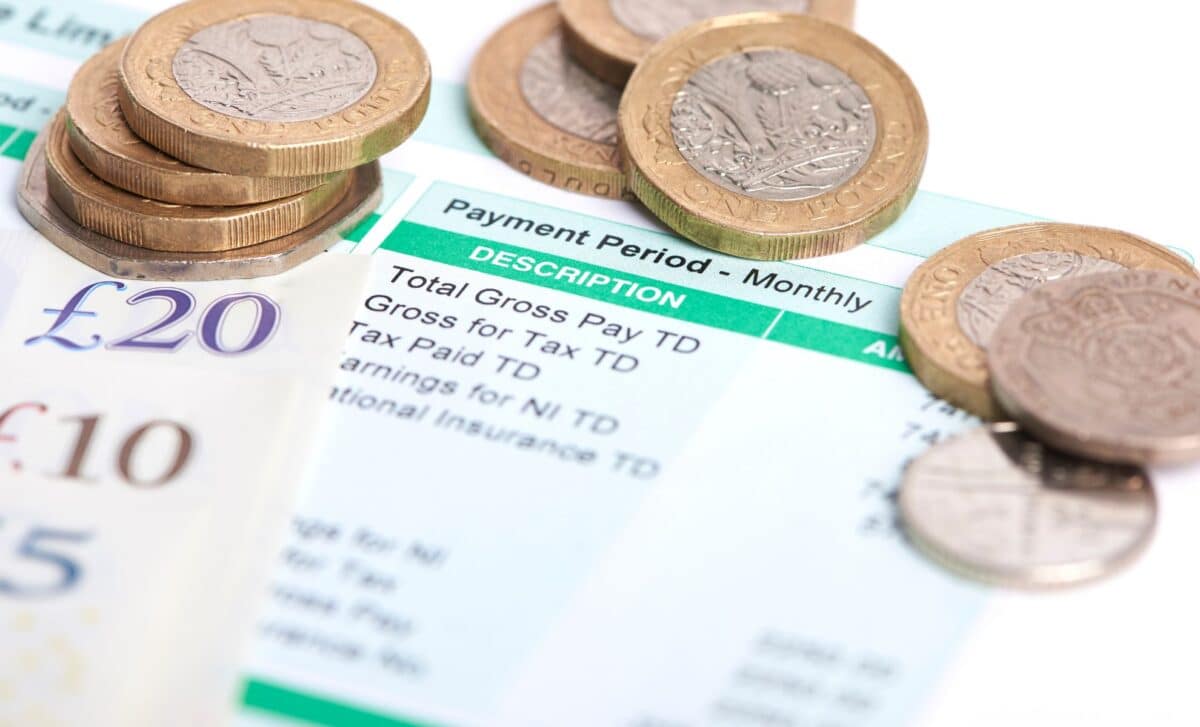
© Canva
Rising Employment Costs Put Pressure on Pay Budgets
Employers face financial constraints that could limit their ability to offer more generous wage increases.
One major concern is the cost of employer social security contributions, which has increased the financial burden associated with maintaining staff.
For businesses already managing higher payroll expenses, additional salary increases can become difficult to accommodate without adjustments elsewhere in their budgets.
Potential increases in the UK minimum wage represent another source of pressure. Employers with large numbers of lower-paid workers could face additional payroll obligations, reducing the funds available for broader pay awards.
These pressures help explain why the latest rise in median settlements has not translated into a stronger upward trend.
Brightmine’s findings suggest that employers are balancing the need to retain workers against the cost of maintaining their existing workforce.
Private Sector Wage Growth Raises Questions for the Bank of England
The latest employer pay data arrived shortly after official figures showed a different development in the wider labor market.
Data released Tuesday indicated that private sector wage growth had accelerated for the first time since the end of 2024.
That development has added to expectations that the Bank of England could raise interest rates in November.
Stronger wage growth can influence monetary policy because sustained increases in labor costs may contribute to inflationary pressure, particularly when businesses pass those costs on to customers.
The contrast between the two sets of figures deserves attention.
Official wage growth measures changes in employee earnings, while Brightmine’s survey tracks negotiated or awarded pay increases. The two indicators capture different aspects of compensation and do not necessarily move together.
The latest readings therefore present a mixed picture: private sector earnings growth has strengthened, while employer pay settlements have shown only a marginal increase.
Employers Expect Pay Raises to Stay Near 3% in 2027
The outlook for next year offers little indication of a major acceleration in salary increases.
Brightmine expects median pay awards to remain around 3% in 2027, broadly consistent with the levels recorded during much of the second half of 2026.
For employees, that would mean another year of relatively modest nominal pay increases. Whether those awards improve purchasing power will depend partly on inflation, which determines how much of a salary increase translates into higher real earnings.
For employers, the forecast reflects continued pressure on compensation budgets as payroll-related expenses remain a concern.
The September survey’s underlying figures show the scale of that restraint: most of the 42 pay settlements analyzed by Brightmine did not exceed the awards granted a year earlier, despite covering a workforce of more than 650,000 employees.