The proposed reversal comes amid continued disruption in the Strait of Hormuz, where tensions linked to the conflict involving Iran, Israel, and the United States have affected global energy markets. Fuel prices in Britain have risen sharply since the blockade began earlier this year.
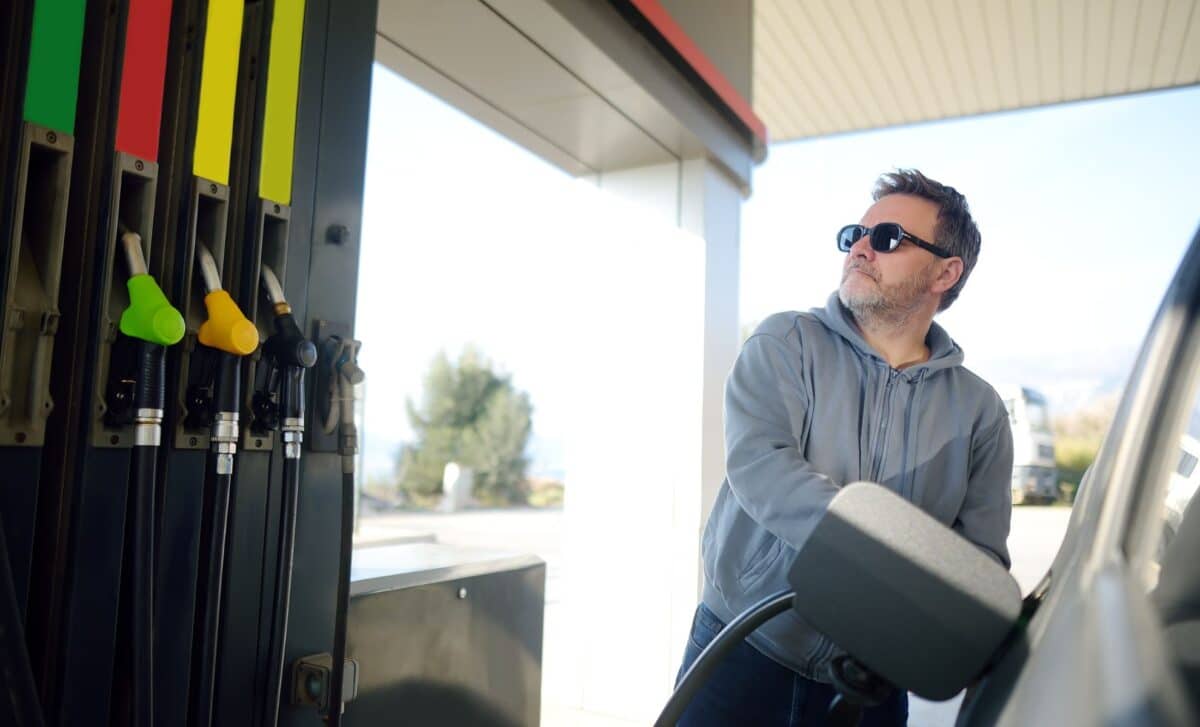
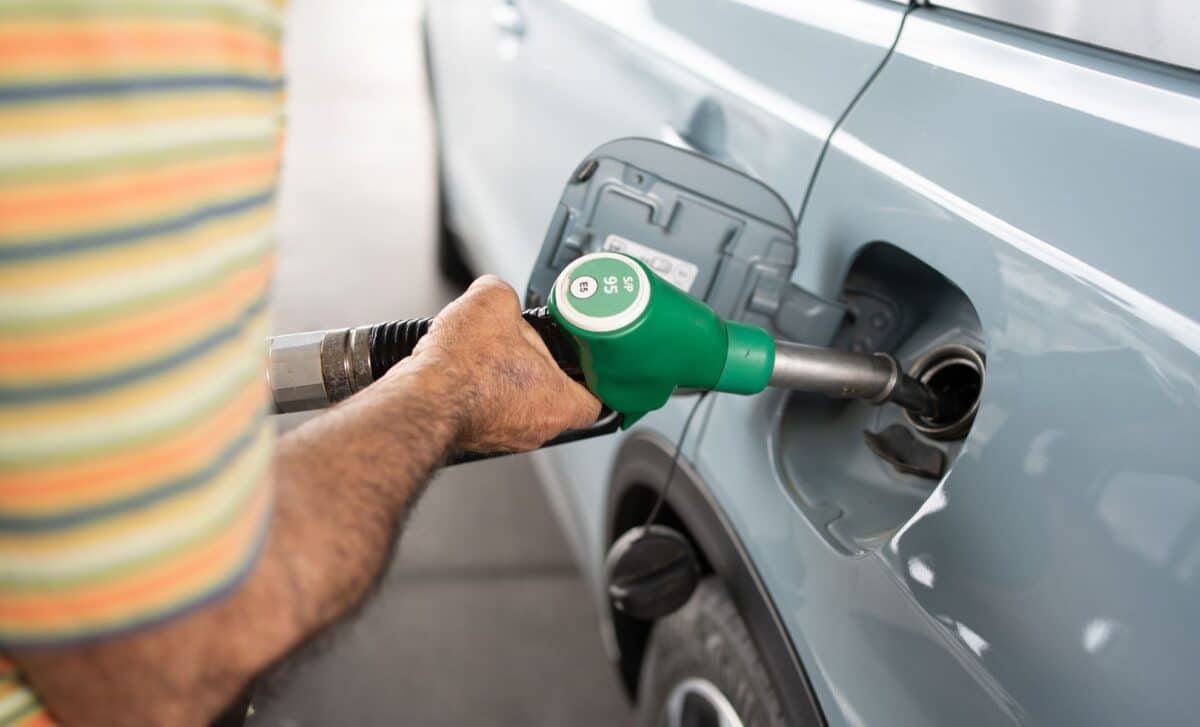
Rachel Reeves is expected to abandon plans to increase fuel duty by 5p per litre from September, according to reports. The increase had originally been scheduled as part of a phased return to pre-2022 fuel duty levels after the temporary reduction introduced during the Ukraine war.
In the November budget, the government confirmed that the 5p reduction would remain in place until the end of August 2026. From September onward, rates were due to rise gradually over five years. According to The Times, two senior government sources confirmed that Reeves is now set to shelve the planned increase altogether, a move expected to cost the Treasury around £2.4 billion.
The decision follows a sustained increase in fuel prices linked to the closure of the Strait of Hormuz. Iran imposed the blockade in March after attacks involving the United States and Israel. The strait is responsible for carrying more than one-fifth of the world’s oil supply, making it one of the most strategically important shipping routes in global energy markets.
According to RAC figures, petrol prices in the UK have climbed from 132.9p per litre before the conflict to nearly 158p per litre in recent weeks. Diesel prices have also increased significantly during the same period.
Government Responds to Rising Economic Pressure
The reported fuel duty decision forms part of a broader government response to the economic effects of the Middle East conflict. Ministers have become increasingly concerned about inflation and household costs as fuel and energy prices continue to rise.
According to The Times, the Bank of England warned inflation could reach 6.2 percent at the beginning of 2027, while food prices could rise by as much as 7 percent this year. Reeves is also said to be preparing a separate package focused on energy bill support for low-income households, with details expected later this year.
Prime Minister Keir Starmer has also outlined plans for a multinational operation aimed at reopening the Strait of Hormuz when conditions allow. According to The Independent, the mission would focus on protecting commercial shipping routes and conducting mine-clearing operations in the region.
The Ministry of Defence confirmed earlier this week that Britain would deploy mine-hunting equipment, Typhoon fighter jets, counter-drone systems, and HMS Dragon to support operations linked to maritime security in the Gulf.
Political Tensions Grow as Labour Faces Pressure
The developments come at a difficult political moment for the Labour government following poor local election results and growing speculation about Starmer’s leadership. Reeves recently urged colleagues not to create instability while the economy remains under pressure.
Speaking after the latest GDP figures were released, the chancellor warned against “plunging the country into chaos” during a period of economic uncertainty. According to The Times, Reeves argued that stronger-than-expected growth figures had given the government room to introduce additional support measures for families and businesses affected by the conflict.
The debate over fuel duty has also reopened wider discussions about taxation and public finances. Paul Johnson, former director of the Institute for Fiscal Studies, told The Times that successive governments had repeatedly frozen fuel duty while increasing taxes elsewhere, particularly income tax. The Treasury has not officially commented on the reports surrounding the planned announcement.