
As heatwaves continue to sweep across the UK, households with air conditioning are set to face a significant increase in energy costs. Rising temperatures, combined with higher electricity prices from Ofgem, mean that running a split-system aircon for the summer months could add £381.21 to a typical household bill.
Energy Prices on the Rise
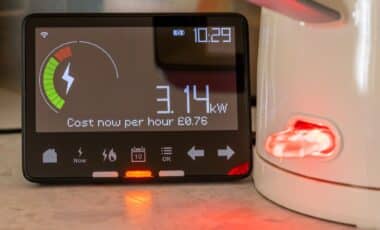
From July 1, the energy price cap for gas and electricity will rise by 13%, pushing up annual household bills by around £221. Air conditioning is among the most energy-intensive domestic appliances, particularly split-system units, which can draw 2kW when operating. Portable units use slightly less, at around 1.2kW, but the cost still mounts if they run for several hours a day.
Manufacturers such as Ice LTD recommend that aircon units operate for six to eight hours daily during hot weather, particularly central systems designed to cool entire homes. For households using a split-system unit for three months of summer, this translates to the £381.21 estimate, while portable units would add closer to £228.72 over the same period. Full-year usage could push bills even higher, although most UK households only use aircon during peak heat.
Factors Influencing Aircon Costs
Energy consumption depends on multiple variables. The type of aircon, its size, the property’s insulation, thermostat settings, and the frequency of use all affect the electricity drawn. Units with poor maintenance, such as clogged filters or inefficient cooling, may need to run longer, increasing costs. Similarly, larger homes or hotter rooms require more power to maintain comfortable temperatures.
Managing Costs and Improving Efficiency
Experts from British Gas advise that households can reduce energy bills with simple measures. Maintaining thermostats between 18–21°C, keeping doors and windows closed while the unit runs, using timers or smart controls, and regularly cleaning filters all improve efficiency. Blocking direct sunlight with blinds or curtains also reduces the need for prolonged operation.
While air conditioning provides welcome relief from increasingly frequent heatwaves, the financial impact is becoming more noticeable. Families with multiple units or larger split-system aircons could see their energy bills rise by hundreds of pounds over the summer months, particularly as Ofgem’s price increase comes into effect.
The Bigger Picture
With climate change driving more frequent and intense heatwaves, air conditioning is becoming more than a convenience—it is slowly becoming a necessity for many UK households. At the same time, rising energy costs highlight the financial burden of staying cool, underscoring the importance of energy-efficient appliances and careful usage.
Households will need to balance comfort and affordability if they hope to keep summer bills manageable while dealing with record-breaking temperatures.