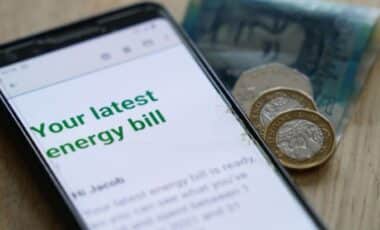
Households on standard variable energy tariffs across England, Scotland and Wales will face higher bills from 1 July after Ofgem announced a 13% increase in the energy price cap. For a typical household, annual costs will rise by £221 to £1,862.
The change affects customers who are not on fixed-rate deals and reflects higher wholesale gas prices linked to continued instability in global energy markets. The increase comes after a period in which household energy costs had eased slightly. According to Ofgem, the latest adjustment reflects rising wholesale prices, with gas costs accounting for most of the increase.
For consumers, the announcement raises fresh concerns about affordability ahead of winter, while ministers and consumer groups continue to debate how support should be targeted if elevated prices persist.
Ofgem Links Price Rise to Higher Wholesale Gas Costs
According to Ofgem, the energy price cap for July to September 2026 will increase from £1,641 to £1,862 per year for a typical dual-fuel household paying by direct debit. The cap limits the price suppliers can charge per unit of gas and electricity rather than setting a ceiling on total household bills.
Ofgem stated that average electricity unit rates will increase from 24.67p to 26.11p per unit, while gas prices will rise from 5.74p to 7.33p per unit. The regulator said customers are expected to see a smaller increase in electricity costs, at around 5%, compared with gas bills, which are rising by approximately 24%.
Tim Jarvis, chief executive of Ofgem, said the adjustment reflected continued volatility in international energy markets.
“Today’s price change reflects continued volatility in global energy markets. This means higher wholesale gas prices, driven by ongoing conflict in the Middle East, is impacting the price we pay for energy,” he said.
Jarvis added that households could explore fixed tariffs or changes in payment methods to manage costs, and noted that some smart meter customers may benefit from lower-cost electricity offers at certain times. Ofgem also said that around 40% of accounts, equivalent to 22 million customers, are currently on fixed tariffs and are not affected by the increase.
Government and Consumer Groups Warn of Pressure on Household Finances
Energy Secretary Ed Miliband described the increase as unwelcome and linked it to external energy market pressures.
According to statements reported across multiple outlets, Miliband said the rise was driven by “a war we did not choose” and said the government would continue monitoring conditions ahead of winter while preparing for different scenarios.
He also repeated the government’s position that expanding domestic energy production and improving home efficiency remain central to reducing future exposure to international price shocks. Consumer organisations responded by warning that the increase could place additional strain on households already facing financial pressure.
Citizens Advice Scotland said the rise would be difficult for many households to absorb, particularly for people already struggling with energy costs. The organisation reported record levels of energy debt in the first three months of 2026, with average debt exceeding £2,800 and rising above £3,200 in rural areas.
The End Fuel Poverty Coalition also warned that higher summer bills could make it harder for households to reduce existing debt before colder months increase energy demand again. Current forecasts cited in reporting suggest attention is now turning to the next review period in October, with concerns focused on whether elevated wholesale prices continue into winter.