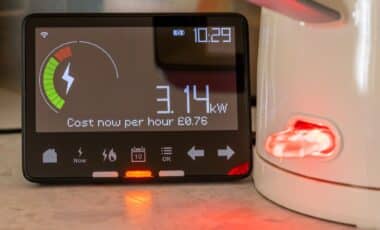

Household energy bills in the UK are set to rise by more than £100 by the end of the decade. The increase is largely due to the cost of upgrading Britain’s electricity grid for the transition to clean energy. Even without the recent impact of Middle East tensions driving gas prices up, network charges alone are expected to add £104 to the average annual bill.
Rising Energy Costs Beyond Gas and Electricity
The surge in bills is not only about gas or electricity, which make up around 40 percent of a typical bill. Non-commodity costs, including levies, network fees, and policy charges, are also pushing prices higher. These funds pay for wind farms, solar projects, new pylons, and social energy schemes.
Since the energy price cap was introduced in January 2019, non-commodity costs have risen 67 percent. Analysts predict these charges will continue to climb as more investment is pumped into the electricity network.
By 2030, household bills are forecast to be 54 percent higher than they were in the winter of 2021. EDF Energy projects that the typical bill will reach £1,970, which roughly cancels out the £300 reduction Labour promised voters in 2024.
The Cost of the Clean Energy Transition
Britain’s electricity grid is undergoing its largest overhaul since the 1960s. Billions of pounds are being invested in new pylons, cabling, and substations to connect solar and wind farms to the national network.
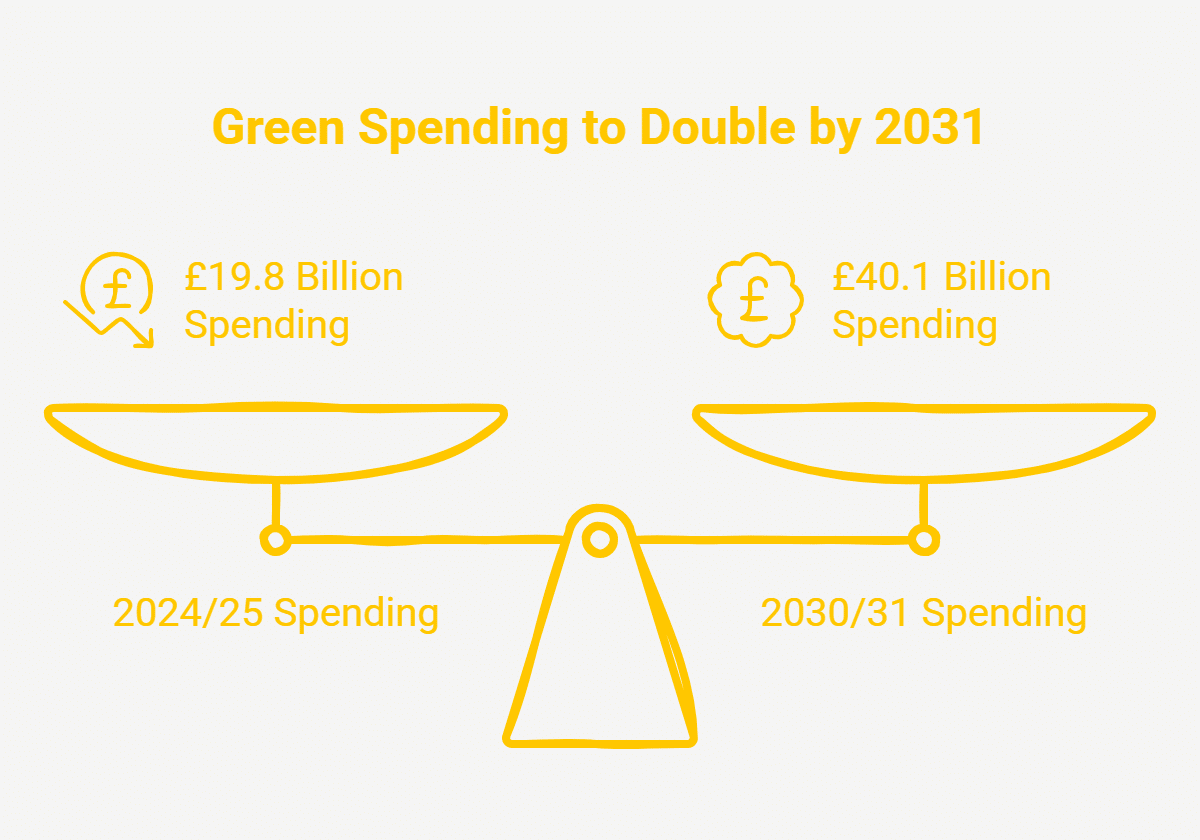
The Institute of Economic Affairs estimates that total spending on green subsidies and grid upgrades will more than double, from £19.8 billion in 2024/25 to £40.1 billion by 2030/31. This equates to roughly £700 per household, on top of whatever happens with gas prices.
Industry leaders warn that rising bills will continue even if wholesale prices drop. Rachel Fletcher of Octopus Energy told MPs that electricity bills could be 20 percent higher in four to five years even if gas prices were halved.
Chris Norbury, CEO of E.On UK, added that non-commodity costs alone would keep bills near current levels, regardless of changes in wholesale markets, reports The Sun.
Government and Regulator Warnings
Regulator Ofgem confirmed this week that the energy price cap will rise 13 percent from July 1, bringing the average household bill to £1,862. This is a £221 increase, driven largely by a 24 percent spike in wholesale gas costs linked to the Iran conflict.
Ned Hammond, deputy director of Energy UK, warned that the rise shows how exposed Britain remains to global gas shocks. He stressed that investing in domestic clean power is essential, but policymakers must consider how costs are distributed.
While the shift to renewable energy is critical for long-term security, households are currently bearing the brunt of the cost. Families will see steadily rising bills as Britain invests in a cleaner, greener electricity system.