

Retiring at 65 remains a common goal for many Americans, but experts warn that traditional retirement planning may overlook the financial consequences of declining health and potential long-term care needs.
Retirement Age Does Not Always Match Healthy Years
Many Americans choose retirement around their mid-60s. In 2024, the average retirement age was 64.6 years for men and 62.6 years for women, according to the Center for Retirement Research at Boston College.
The age of 65 is also often seen as a natural milestone because it coincides with Medicare eligibility, while the full retirement age for Social Security is currently 67 for many workers. However, focusing only on lifespan and retirement benefits may not provide a complete picture of retirement planning.
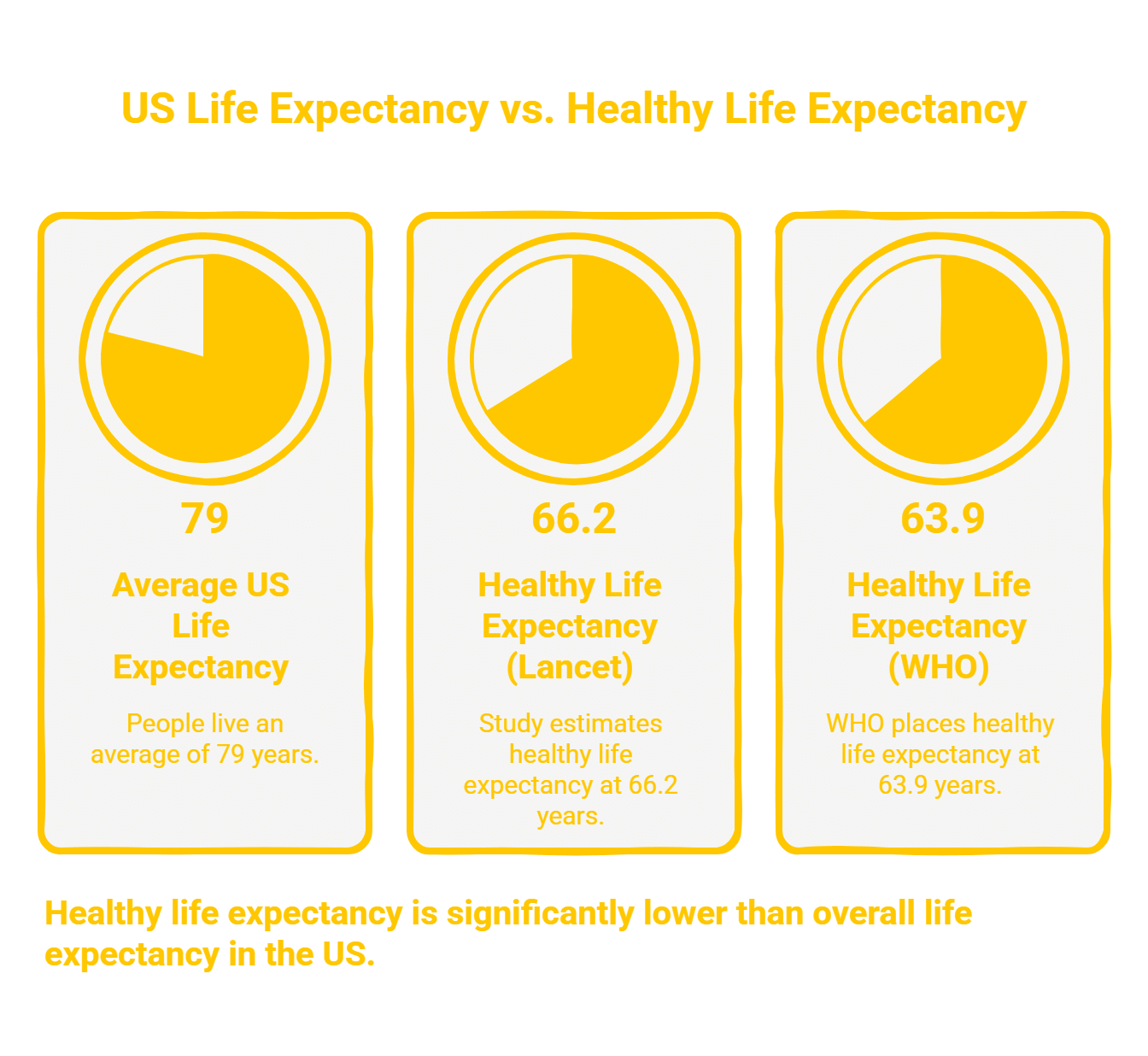
While the average US life expectancy is around 79 years, research suggests that the number of years people spend in good health is much lower. A study published in The Lancet estimates healthy life expectancy at around 66.2 years, while the World Health Organization places the figure at around 63.9 years.
This gap means some retirees may face health limitations soon after leaving the workforce.
Healthcare Costs Can Put Pressure on Retirement Savings
Health-related expenses can become one of the largest financial concerns during retirement. Many people plan their later years around travel, hobbies and leisure activities but may need to allocate more resources to medical care, assistance services or long-term support.
According to the Milliman 2025 Long-Term Care Index, a typical 65-year-old may need to prepare around $135,000 for future high-intensity long-term care needs. Costs can vary depending on the type of care required, location and personal circumstances. Without preparation, long-term care expenses could reduce retirement savings faster than expected.
Planning Ahead for Future Care Needs
Financial experts recommend considering healthcare expenses as part of retirement planning rather than treating them as an unexpected cost. Some retirees choose long-term care insurance to help cover services such as home assistance, nursing facilities or assisted living. Other options may include financial products that combine retirement savings with care benefits.
People with larger investment portfolios may also seek professional guidance to assess future healthcare costs and adjust their retirement plans.
Retirement Planning Goes Beyond Income
The decision to retire involves more than reaching a specific age or qualifying for government benefits. Health, savings, insurance coverage and future care needs all influence financial security during retirement.
For many Americans, the challenge is not only planning how long their money will last, but also preparing for changes in health and lifestyle that may occur during later years. Taking these factors into account earlier can help retirees make more informed decisions about their financial future.