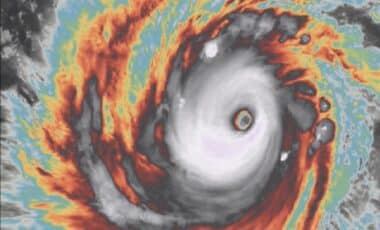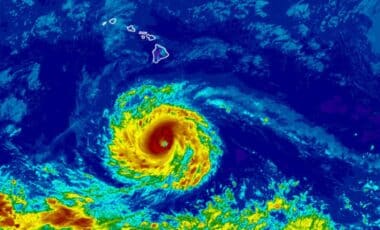
The National Hurricane Center (NHC) issued warnings for areas including Kauai and O’ahu, where more than one million residents and visitors were placed under weather alerts. The storm arrived as Hawaii was still recovering from earlier impacts during the Pacific hurricane season.
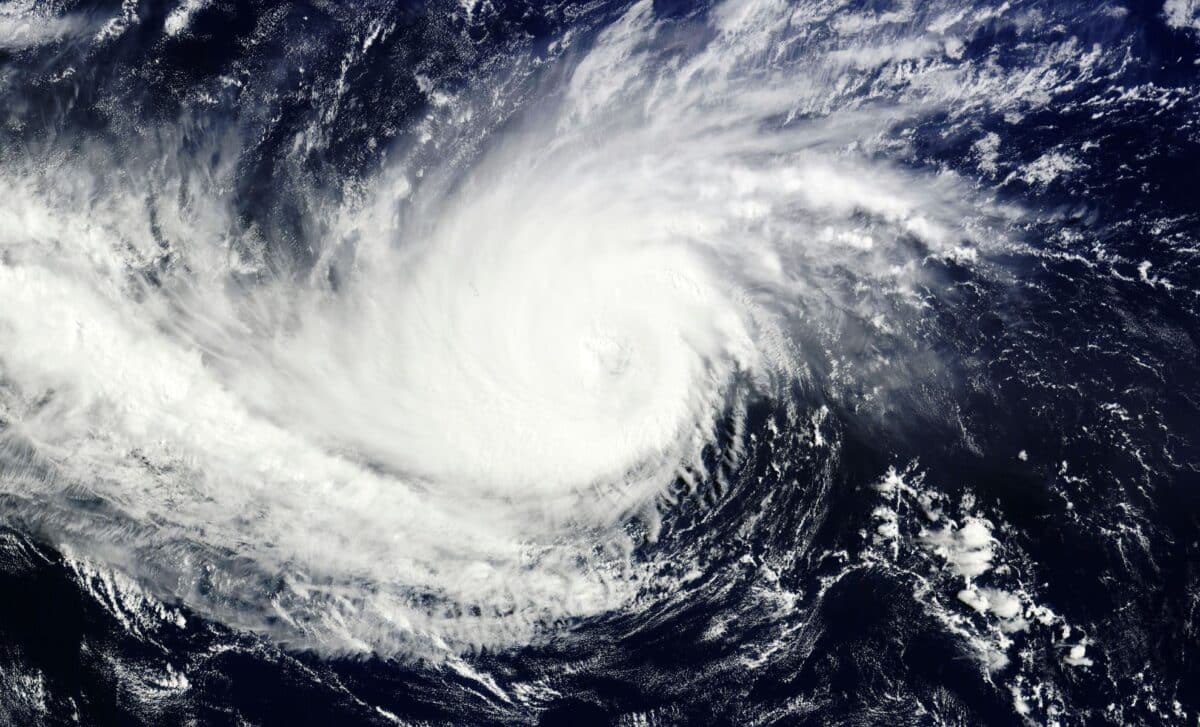
Lowell did not make landfall in Hawaii, yet its large circulation produced significant effects across several islands. According to AccuWeather, the storm was a Category 1 hurricane on Tuesday morning as it moved north-northeast about 285 miles northwest of Honolulu after passing close to Ni’ihau.
Strong Winds, Rainfall and Coastal Hazards Affect the Islands
Lowell approached Hawaii after reaching major hurricane strength earlier in its path, with the storm producing impacts across the western islands. According to AccuWeather senior meteorologist Alex Sosnowski, the hurricane passed close enough to bring rain and wind effects across Kauai, Ni’ihau and O’ahu.
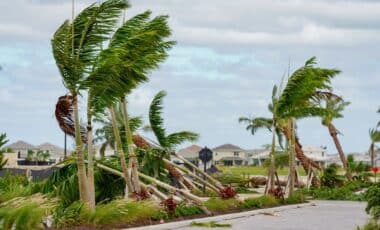
The storm generated hurricane-force winds in some locations. Ni’ihau recorded sustained winds of at least 74 mph, while the highest observed wind gust reported by AccuWeather was 92 mph on Kauai. Wind conditions varied across the islands because of the mountainous terrain, with higher elevations and areas near the storm experiencing stronger gusts.
Power outages were reported as the storm moved through the region. According to outage data cited by AccuWeather, about 92% of Kauai County and 6% of Honolulu County were without power on Tuesday morning, affecting around 52,000 people across the islands.
Heavy rain also created concerns for flooding and mudslides. Forecast rainfall totals ranged from 1 to 2 inches across the islands, with higher amounts of 4 to 8 inches possible in higher terrain and northern-facing mountain slopes. The greatest rainfall amounts were expected near Kauai and Ni’ihau, where AccuWeather estimated localized totals could reach 8 to 12 inches.
The NHC also warned that large waves from Lowell could create dangerous surf and rip current conditions through Tuesday and possibly into Wednesday. Coastal flooding risks were linked to storm surge, with some areas forecast to experience a surge of 1 to 3 feet.
Hawaii Faces Another Storm During an Active Pacific Season
Lowell arrived during a period of frequent tropical activity in the Pacific. The storm became the second hurricane in a month to significantly affect Hawaii after Hurricane Lala, which was blamed for deaths and major property damage earlier in the season.
Officials closed schools, government offices and courts before Lowell’s arrival. Hawaii Governor Josh Green advised residents in affected areas to remain indoors, avoid unnecessary travel and follow emergency instructions. Residents on Kauai prepared for the storm by gathering supplies before conditions worsened. Reports described shortages of some items, including plywood and propane, as people stocked up ahead of the hurricane.
Forecasters have linked the active Pacific season to El Niño conditions and warmer ocean temperatures. According to AccuWeather, meteorologists expected between 17 and 22 named storms in the Pacific this year, with 9 to 13 projected to become hurricanes. Lowell is moving away from Hawaii, though officials continue to monitor flooding, coastal conditions and remaining impacts from the storm.