
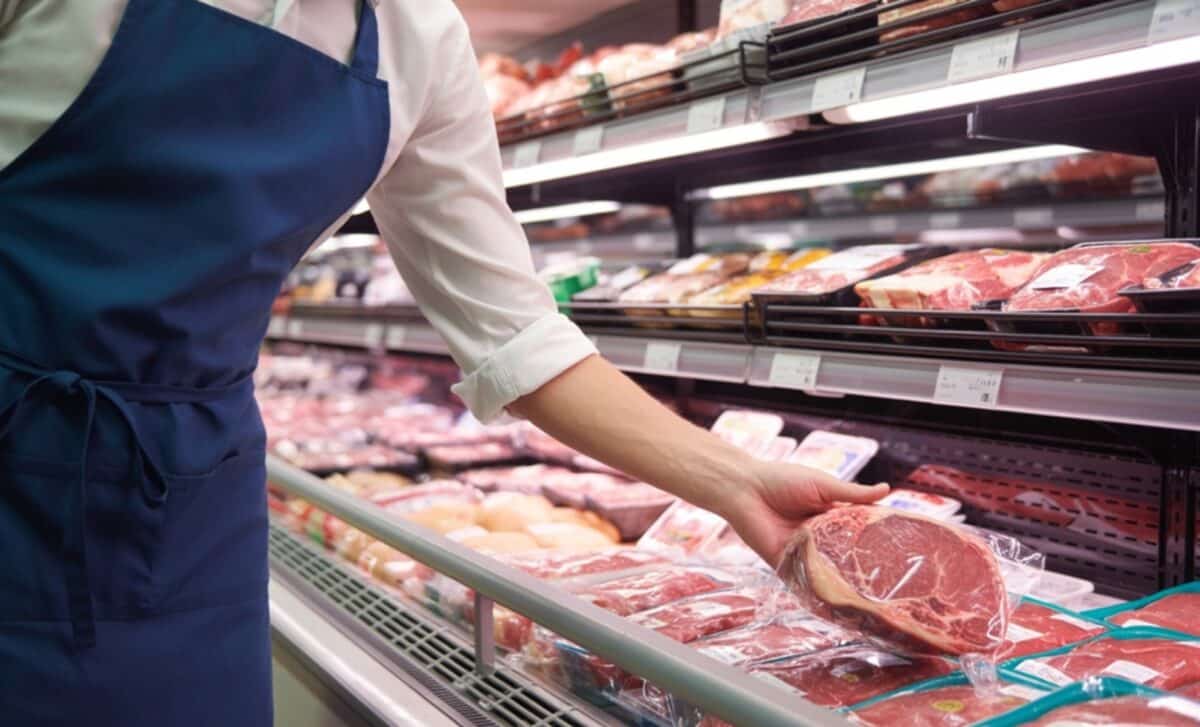
Shoppers at major US retailers such as Costco and BJ’s could see tighter beef supply after the world’s largest meat processor announced the closure of two US plants and the loss of around 2,000 jobs, raising concerns over availability and pricing in the beef market.
JBS Closes Two Major US Beef Facilities
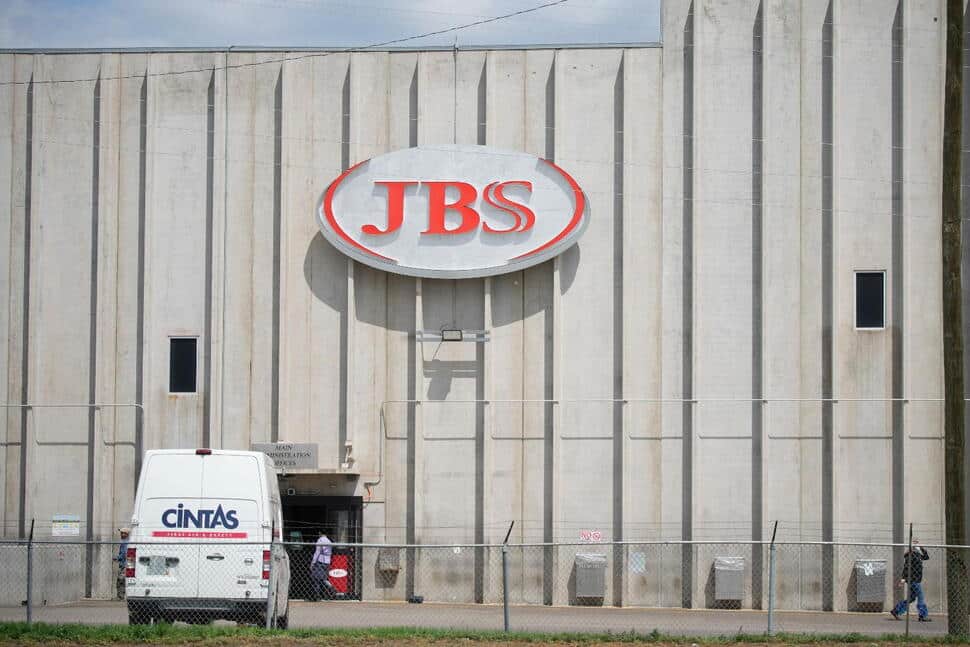
JBS USA is shutting a plant in Philadelphia, Pennsylvania, resulting in approximately 1,500 job losses, and another facility in Memphis, Tennessee, where a further 500 workers will be laid off.
The company said production from the affected plants will be absorbed into other operations, as part of a wider restructuring plan aimed at improving efficiency.
Chicken Operations Also Affected By Restructuring
Alongside the beef plant closures, JBS-owned Pilgrim’s Pride is shifting some chicken production from Chattanooga, Tennessee, to Ellijay, Georgia.
The move is linked to a $75 million investment to expand production capacity in Georgia, focusing on boneless chicken products used in items such as tenders and sandwiches. However, the restructuring will also result in 348 additional job losses.
Company Says Changes Are “Difficult Adjustments”
JBS USA CEO Wesley Batista Filho said the company is making “difficult adjustments” as it continues to invest in its US operations.
He said the business is focused on building a more efficient and competitive production network while continuing to expand in areas of growth.

Financial Pressure Behind Restructuring
The announcement comes after JBS reported a $279 million net loss in Q1 2026, compared with a $158 million loss in the same period the previous year.
The company has recently consolidated its US beef operations into a single business unit as part of wider cost-cutting and restructuring efforts.
Possible Impact On Beef Supply And Prices
With fewer processing facilities operating, analysts warn that supply chains could face tighter conditions, particularly for large retailers dependent on bulk beef supply.
While JBS says production will be redistributed across remaining facilities, disruptions in processing capacity may still affect availability and pricing in some regions.
Wider Food Industry Pressure
The restructuring adds to broader pressure on the US food supply chain, as rising costs, consolidation, and shifting production strategies continue to reshape how meat products reach retailers and consumers.