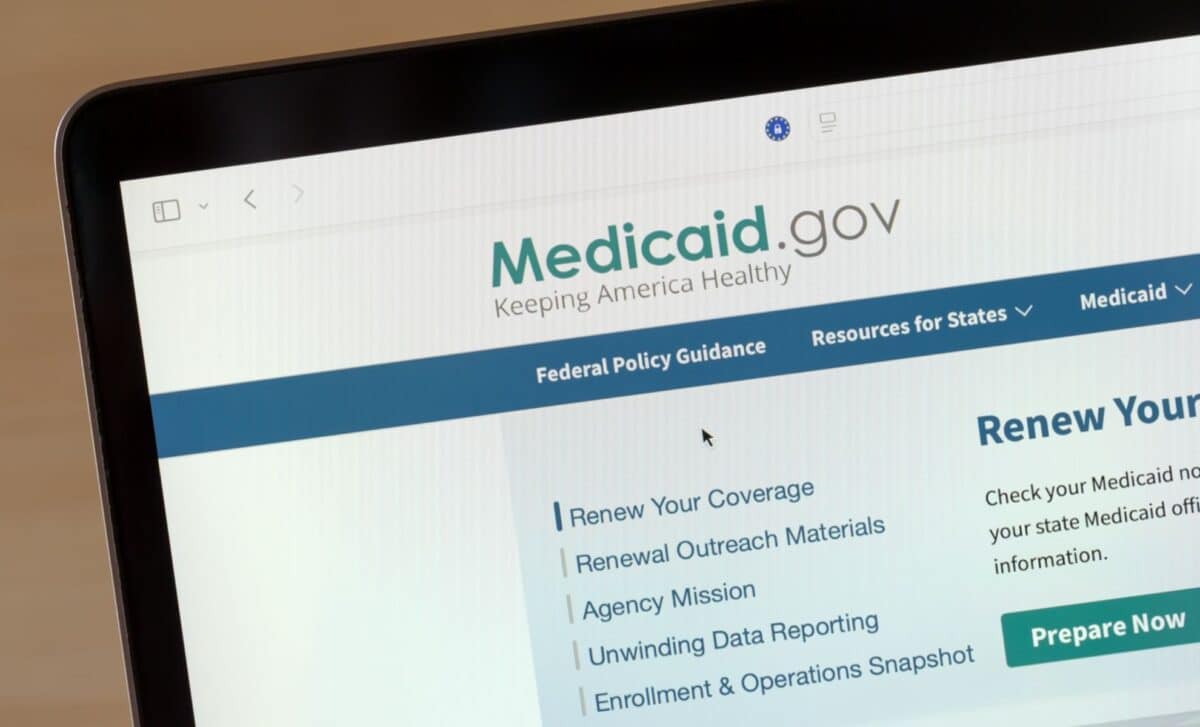
New Medicaid eligibility rules are moving from planning into implementation, with states beginning to require some enrollees to report work, school or volunteering activities. The changes are creating a new administrative challenge for states, patients and health care providers as officials prepare systems to track compliance and exemptions. The first effects are already appearing in Nebraska, where some enrollees are beginning to face coverage losses.
States Begin Enforcing New Reporting Rules for Medicaid Enrollees
The new requirements call for many Medicaid recipients to report at least 80 hours per month of work, education or community engagement activities, unless they qualify for an exemption. States are now working to inform enrollees and establish processes for reporting these activities.
According to Axios, Nebraska is the first state to implement the requirements ahead of the national deadline set for January 1. Enrollees who fail to report their community engagement activities have started losing coverage in the state.
Nebraska’s Medicaid director said about 200 people were expected to lose coverage during the first week of implementation, with each denial reviewed multiple times before notifications were sent, according to the health policy podcast Tradeoffs.
The rollout has raised concerns among patient groups and advocates who say some people may struggle to complete reporting requirements or prove that they qualify for exemptions. Comments submitted to the administration included concerns about how medical conditions and disabilities would be evaluated under the new rules.
The American Cancer Society released survey results showing that 90% of cancer patients and survivors said their illness caused them to miss work, school or volunteering activities. The survey also found that three-quarters said submitting paperwork to document work activity or obtain an exemption during treatment would be difficult.

Doctors and States Raise Concerns over Medical Exemptions
Health care providers are also concerned about the additional administrative responsibilities linked to the new system. The rules require clinicians to help determine whether some patients qualify for medical exemptions, adding paperwork to already busy practices.
According to the American College of Physicians, physicians are trained to diagnose and treat medical conditions rather than assess whether individuals meet government work reporting requirements. The group argued that many doctors already face significant administrative pressure and noted that some providers have stopped accepting Medicaid patients because of those burdens.
The organization asked the Centers for Medicare and Medicaid Services (CMS) to allow broader exclusions based on existing claims data and provide states with more flexibility in determining medical exemptions.
The administration said it would review public comments before deciding whether adjustments were needed. Health and Human Services spokesperson Emily Hilliard said CMS would consider all timely submitted comments as part of the rulemaking process, according to Axios.
A federal judge in Massachusetts also declined a request from half of the states to pause the implementation guidance. The lawsuit brought by Democratic-led states argues that the administration’s rules for medical frailty exemptions are more restrictive than Congress intended.
Medicaid programs are facing several pressures at the same time. According to KFF senior vice president Robin Rudowitz, work requirements are one of several issues affecting states and enrollees, alongside funding freezes, budget pressures and financing changes linked to legislation passed last summer. “We’re all very focused on work requirements and these are huge, big changes for the program,” Rudowitz said, while noting that the changes are occurring alongside other challenges facing Medicaid programs.