The measure was introduced as Connecticut lawmakers considered ways to address both food insecurity and food waste. According to lawmakers, one in seven people in the state struggles with food insecurity.
The proposal focused on grocery stores and other food-service businesses that may have edible surplus food available for redistribution. It was referred to the Connecticut General Assembly’s Public Health Committee but did not pass before the end of the legislative session.
State Agencies Would Have Created Donation Guidelines
The bill would have required Connecticut’s Department of Consumer Protection and Department of Public Health to develop and implement guidelines for surplus-food donations by retailers.
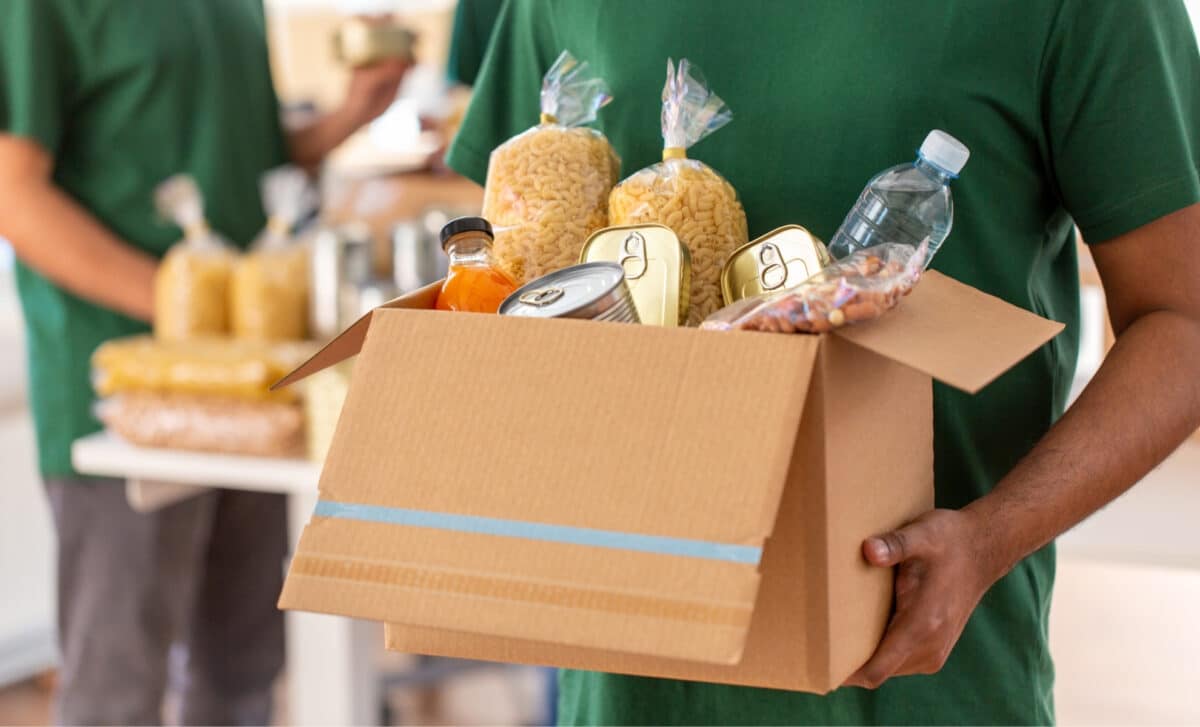
Food collected under the proposed system would have been distributed across the state through a food recovery service. The aim was to connect retailers holding surplus products with organizations working to provide food to residents facing food insecurity.
The proposal would also have introduced an annual reporting requirement. For every year following implementation, retailers would have needed to submit information about their donations to the Department of Consumer Protection, documenting how much food they had provided.
Lawmakers Linked Food Waste with Food Insecurity
State Senator Saud Anwar, chair of the Public Health Committee, said Connecticut throws away more than 500,000 tons of food each year while hundreds of thousands of residents cannot access the food they need.
“When our state wastes more than 500,000 tons of food every year, and yet hundreds of thousands of residents can’t access the food they need, we have a real problem that seems to have an easy path to fix,” Anwar said in a statement reported by The U.S. Sun.
He said the bill sought to reduce waste in grocery stores and other food-service businesses by connecting them with organizations fighting food insecurity.
“If it becomes law, we’d help kill two birds with one stone,” Anwar added.
Conservation Advocates Supported the Proposal
The Connecticut League of Conservation Voters backed the measure, pointing to the amount of discarded food in the state’s waste system.
According to the organization, food accounts for 30% of Connecticut’s waste stream. It said the proposal would help shift food recovery from a waste-reduction practice into a resource-distribution system while also improving nutrition.
The bill was introduced by state Senator Martha Marx and Representative Michael Shannon. After being referred to the Public Health Committee, it failed to pass before the legislative session ended.