

The US is set to ship record amounts of oil this month as a result of President Trump’s proposed naval blockade of the Strait of Hormuz. While this boosts exports, the impact on global oil prices and prices at the pump could be significant.
Record Oil Exports on the Horizon
US crude exports are on track to hit a record 5 million barrels per day this month. More than 70 supertankers are lined up to load US oil, significantly higher than previous years, when the average was about 27 supertankers per month. With shipments flowing out of Gulf Coast ports, the US is positioning itself as a major player in the global oil market.
The blockade, aimed at restricting Iran’s oil exports, has already sparked reactions in the market. While the US gains from increased oil sales, especially to Asia, the effects on the global supply chain are being felt. Oil prices have already risen, with US crude climbing to $99.08 per barrel—a 2.6% increase following the announcement.
How the US is Benefiting from the Middle East Crisis
As the US limits Iran’s ability to send oil through the Strait of Hormuz, countries in Asia, particularly China, are looking for new sources to meet their energy needs. With 20% of the world’s daily oil supply passing through this critical chokepoint, the gap is now being filled by the US, which has become a key exporter.
Trump has taken to social media to praise the growing fleet of Very Large Crude Carriers (VLCCs) that are heading toward US ports, reports WSJ. These supertankers can carry about 2 million barrels of oil each, making the US oil export market significantly larger than ever before. The increasing oil shipments could further cement the US as a major global supplier.
The Rising Cost of Oil and Gasoline Prices
While the increase in exports is beneficial for US oil producers, it has its downsides. The US may be exporting more oil, but that doesn’t mean it has an unlimited supply. As demand for US oil rises, the country’s inventory is likely to shrink, which will lead to higher domestic prices.
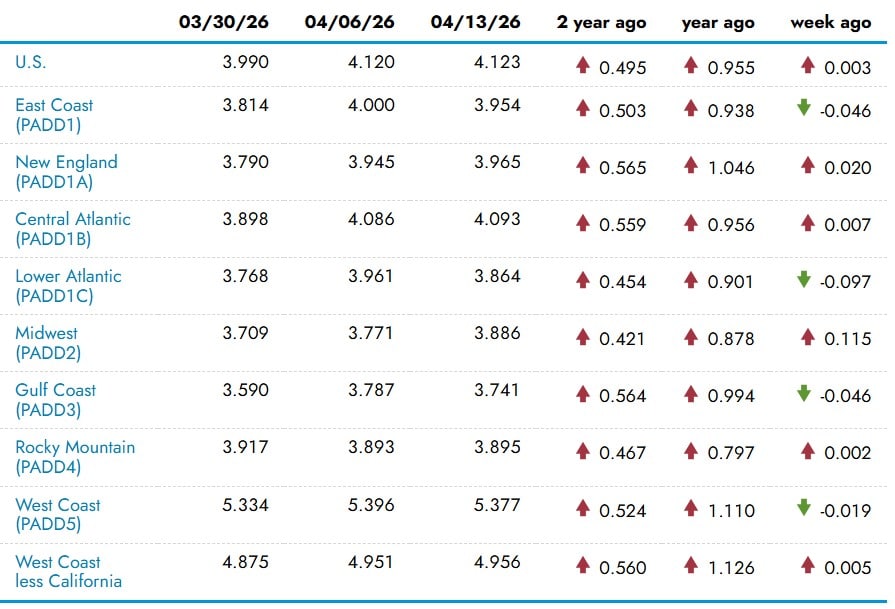
Currently, the national average for a gallon of regular gasoline is $4.13, up by $1.15 since the start of the war in the Middle East. With the blockade tightening oil supply, prices at the pump could continue to climb.
The Dilemma for US Shale Producers and Consumers
Shale producers in the US are cautious about ramping up production in response to rising prices. They remain uncertain whether the price increases will last, leading to a situation where domestic production may not rise fast enough to meet both export and domestic demand. This situation creates a dilemma: while exports rise, the internal market faces higher fuel costs.
If prices continue to rise, it may lead to a recession as consumers and businesses cut back on spending. In fact, gasoline demand has already fallen by 1.4% in recent weeks, signaling potential early signs of demand destruction.
The Bigger Picture: US Exports vs Consumer Impact
In the short term, the increased exports benefit US producers and traders, who make money from the oil sales. However, for everyday consumers, the benefit is less clear. Higher fuel prices make it harder for the public to feel the positive economic effects of increased exports. The tension between global oil exports and local prices presents a challenge, particularly as geopolitical events continue to shape the global energy market.
As the US looks to leverage its position as an oil exporter, the question remains: can the US manage to balance the benefits of exports with the impact of higher prices for its citizens at home?