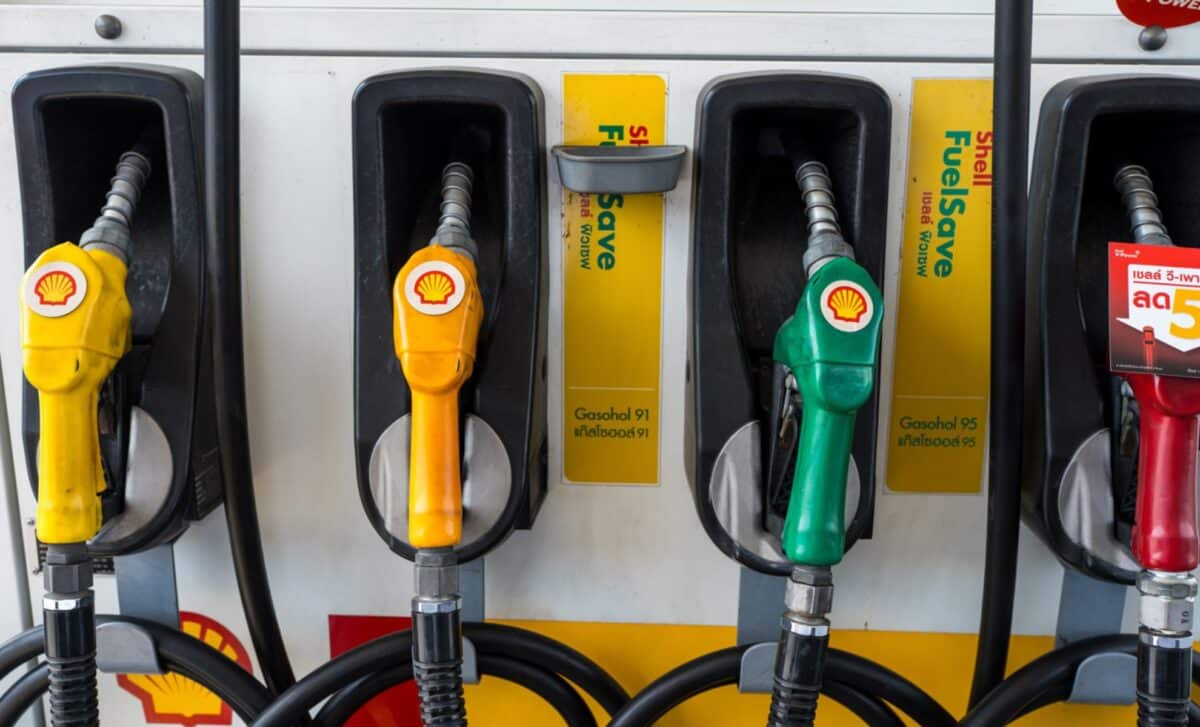
The possible extension comes as drivers continue to face elevated fuel costs and as President Donald Trump increases pressure on oil companies to lower prices. The national average price of regular gasoline stood at about $4.09 per gallon on Monday, according to AAA.
White House Considers Extension of Fuel Shipping Waiver
The current Jones Act waiver allows greater flexibility for fuel shipments between U.S. ports by temporarily removing requirements that cargo vessels must be built in the United States, owned by U.S. companies, and crewed by American workers.
The waiver is scheduled to expire on August 16 and has already become the longest suspension of the Jones Act rules in the program’s history. According to U.S. government data, the exemption was used nearly 200 times over four and a half months through the end of July.
Administration officials have been discussing the scope of a possible extension with maritime industry representatives and lawmakers. Three sources familiar with the talks said discussions have focused on narrowing the waiver while maintaining flexibility for fuel supplies. No final decision has been made, and details could still change, according to the Independent. A White House official said the administration was continuing to review how the waiver was being used and that any further announcement would come directly from the president or the administration.
The proposal has faced criticism from supporters of the Jones Act. Some Republican lawmakers, including House Speaker Mike Johnson and House Majority Leader Steve Scalise, have urged the administration to restrict the exemption, arguing that broad use could weaken the domestic maritime fleet and affect the law’s national security objectives.
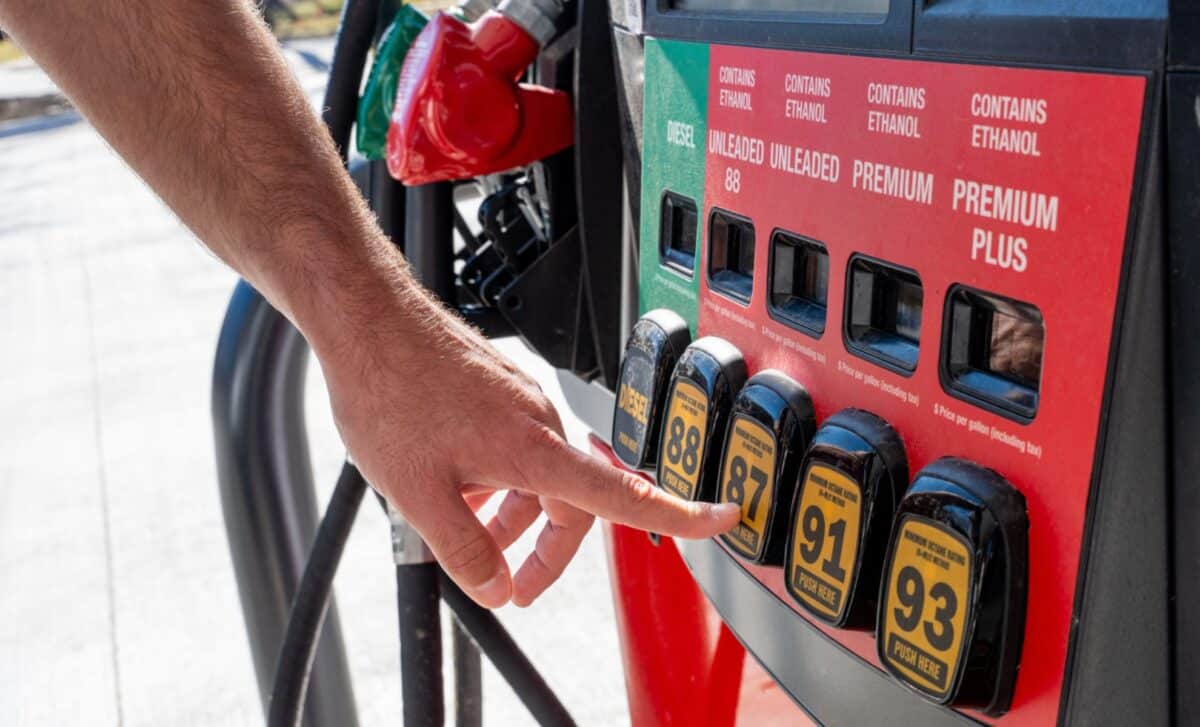
Trump Pressures Oil Companies as Fuel Prices Remain High
The potential waiver extension is part of a wider effort by Trump to respond to concerns over gasoline prices. The president has already called for increased oil supply efforts and regulatory flexibility while publicly criticizing major energy companies.
On Monday, Trump called on U.S. oil producers to reduce gasoline prices after crude futures declined following his decision to suspend another planned military strike on Iran. In a post on Truth Social, he wrote: “get your consumer (retail!) Oil Prices DOWN, NOW!”
Trump also criticized Chevron CEO Mike Wirth, saying the company should recognize the administration’s role in allowing Chevron to return to operations in Venezuela. Chevron resumed activity there after the administration reopened access to parts of the country’s oil sector and placed exports under U.S. control.
Retail gasoline prices have not fallen at the same pace as crude prices because fuel markets adjust over time. Gas stations, wholesalers and refiners continue selling fuel purchased earlier at different prices.
Bob McNally, president of Rapidan Energy Group, said the Jones Act waiver could increase the availability of tankers for fuel transportation but would likely reduce gasoline prices by only a few cents per gallon. According to McNally, other options such as gasoline price controls, a windfall profits tax or legal action against oil companies would face political or economic challenges.
Maritime groups continue to oppose the waiver extension, arguing that it benefits foreign operators and energy companies more than consumers. American Maritime Partnership President Jennifer Carpenter said the exemption had shifted some domestic commerce to foreign operators while affecting the U.S. maritime industry.