
The UK is preparing for an unusual challenge this summer: too much renewable energy and not enough demand at certain times of day. Energy officials are now encouraging households to increase electricity use during off-peak hours to help balance the system. This shift reflects a wider transformation of the energy mix, with wind and solar generation reaching record levels. It also comes at a time when households are facing higher costs, making the timing of electricity use more significant than ever.
Incentives Introduced to Absorb Excess Renewable Generation
Energy suppliers are expected to play a central role in encouraging households to use more electricity when supply exceeds demand. According to The National Energy System Operator (Neso), consumers may be offered heavily discounted or even free electricity during periods of surplus generation.
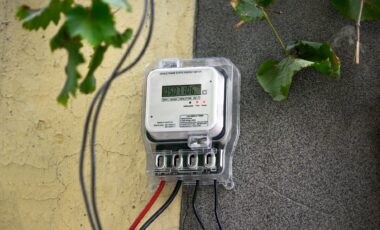
These periods typically occur overnight, between 11pm and 8am, when demand is lower and renewable output can remain high. More than two million households already have access to tariffs that offer reduced rates during these hours, allowing them to shift activities such as charging electric vehicles or running appliances.
According to reporting from The Guardian, this marks the first time the system operator will actively call on consumers to increase demand as a tool for balancing the grid. The approach is intended to reduce the need for costly interventions, such as paying wind and solar farms to stop generating electricity when supply exceeds capacity.
The strategy may also help households manage rising energy bills. The price cap on dual fuel bills is expected to approach £2,000 a year from July, driven by broader pressures in global energy markets. In that context, cheaper off-peak electricity could provide some financial relief, particularly for those able to adjust their usage patterns.
Grid Constraints Expose Limits of Current Infrastructure
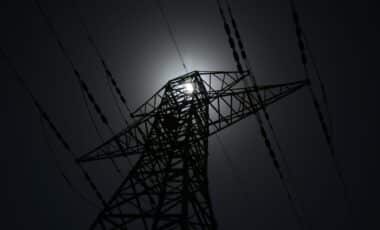
Despite the rapid growth in renewable generation, the UK’s electricity infrastructure remains a limiting factor. On days with strong wind and sunshine, large volumes of energy are produced, particularly in regions such as Scotland, where wind farms are concentrated. This can create bottlenecks when electricity needs to be transmitted to areas of higher demand in the south. The grid’s limited capacity to move and store energy increases the risk of overload, which in extreme cases could lead to unplanned outages.
To prevent this, the National Grid has at times paid renewable generators to reduce output. While effective in maintaining system stability, these payments ultimately feed into consumer energy bills. Expanding grid capacity and improving storage solutions would reduce the need for such measures in the future.
The situation highlights a transitional phase in the UK’s energy system. While renewable generation continues to expand, infrastructure development has not yet fully caught up. At the same time, demand patterns are evolving, with increased adoption of electric vehicles and other technologies expected to reshape consumption in the coming years.
For now, the emphasis remains on short-term solutions such as demand shifting. Encouraging households and businesses to use electricity at different times of day offers a practical way to manage the imbalance, even as longer-term upgrades to the grid continue.