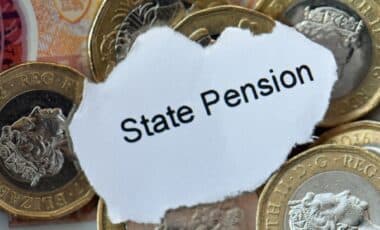
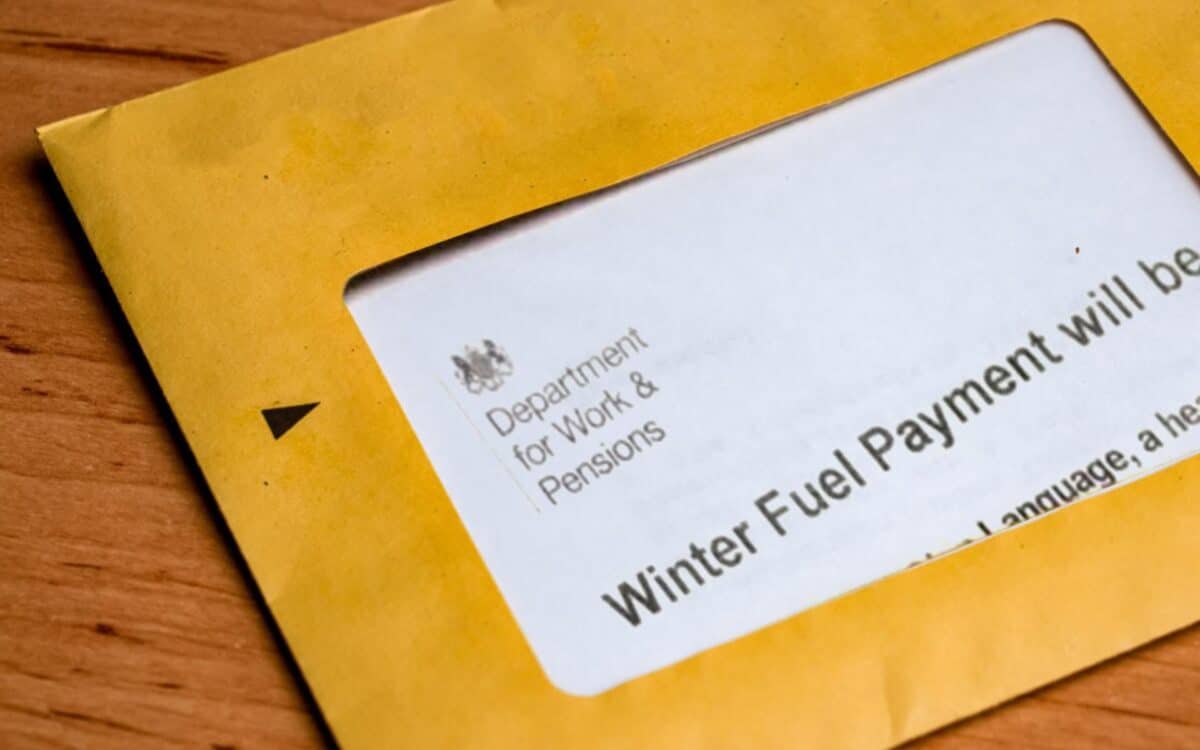
Some pensioners who may expect a £200 or £300 Winter Fuel Payment could instead receive just £100, depending on their age, living arrangements and circumstances during a specific week in September.
The Department for Work and Pensions (DWP) will use a person’s circumstances between September 21 and September 27, 2026, known as the qualifying week, to determine how much they receive.
Who Can Receive Only £100
According to Birmingham Live, not every eligible pensioner will receive the higher Winter Fuel Payment amounts associated with older age groups.
Under the rules cited by the publication, people can receive £100 in several situations involving their date of birth and who they live with.
A payment of £100 applies if both people in a household were born between September 28, 1946, and June 27, 1960, provided they do not receive certain qualifying benefits.
The same £100 payment can apply when a person was born between September 28, 1946, and June 27, 1960, but the person they live with was born before September 28, 1946.
Eligible people living in a care home can also receive £100 if they were born between September 28, 1946, and June 27, 1960.
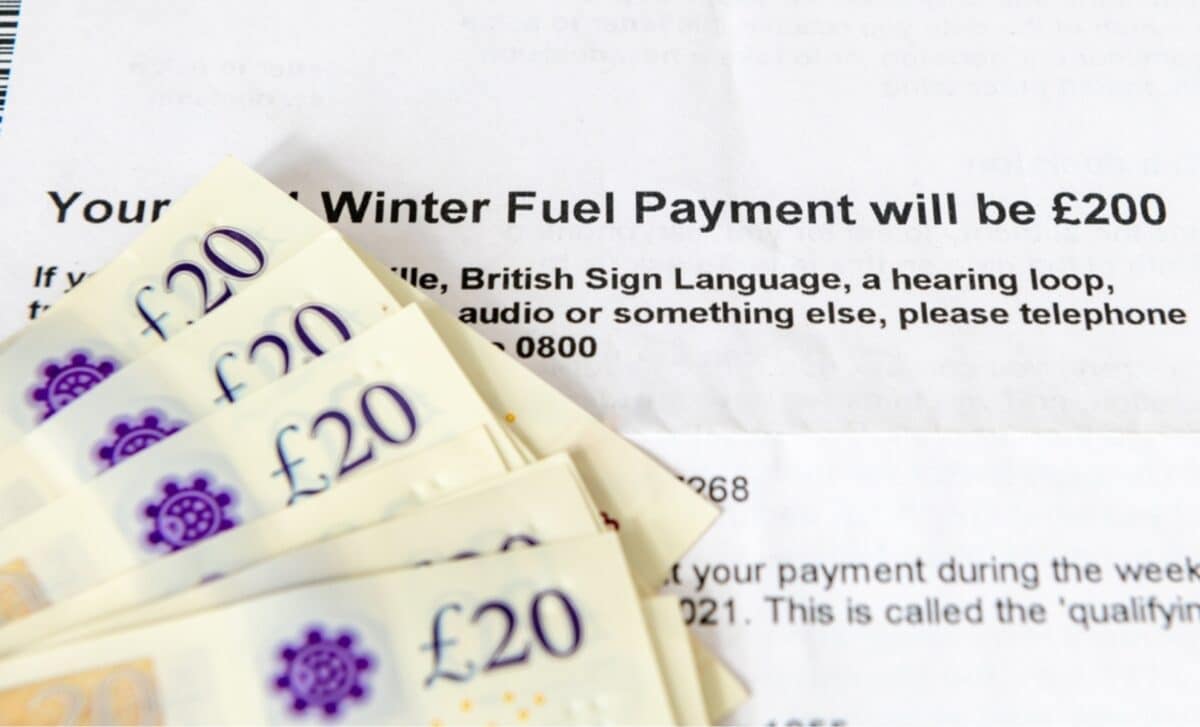
These amounts differ from the payments that can reach £200 for some people above State Pension age and £300 for some older pensioners, depending on age and household circumstances.
Living With Another Eligible Person Can Change the Amount
The amount paid can depend on whether another person in the same household is also eligible for Winter Fuel Payment.
The rules also take certain benefits into account. Birmingham Live reports that payment arrangements may differ for people receiving Pension Credit, Universal Credit or income-related Employment and Support Allowance (ESA).
That means age alone does not determine the final figure. Household composition and benefit status can affect how the payment is calculated.
For pensioners checking what they may receive, the qualifying week is particularly significant because the DWP uses the claimant’s circumstances during that period rather than simply looking at their situation at the time the money is paid.
© Shutterstock
Most Eligible People Will Not Need to Make a Claim
For many recipients, the Winter Fuel Payment is issued automatically.
The money is normally sent to the same bank account used for other benefit payments, according to the information reported by Birmingham Live.
People generally do not need to submit a separate claim if they already receive one of a broad range of qualifying benefits.
These include State Pension, Pension Credit, Universal Credit, Attendance Allowance, Personal Independence Payment (PIP), Carer’s Allowance and Disability Living Allowance (DLA).
The list also includes income-related Employment and Support Allowance, payments from the War Pensions Scheme, Industrial Injuries Disablement Benefit, Incapacity Benefit and Industrial Death Benefit.
For these recipients, the process is designed to happen automatically where eligibility conditions are met.
The October or November Letter Will Confirm the Payment
Eligible recipients should receive a letter from the DWP in October or November explaining how much Winter Fuel Payment they are due.
That notice will be particularly relevant for people living with another eligible person, because household circumstances can change the amount each individual receives.
It will also give pensioners a clearer indication of whether they fall into the £100 category rather than receiving one of the higher amounts.
The payment is based on circumstances during the September 21 to September 27, 2026 qualifying week, and eligible recipients who already receive specified benefits generally do not need to make a separate claim.