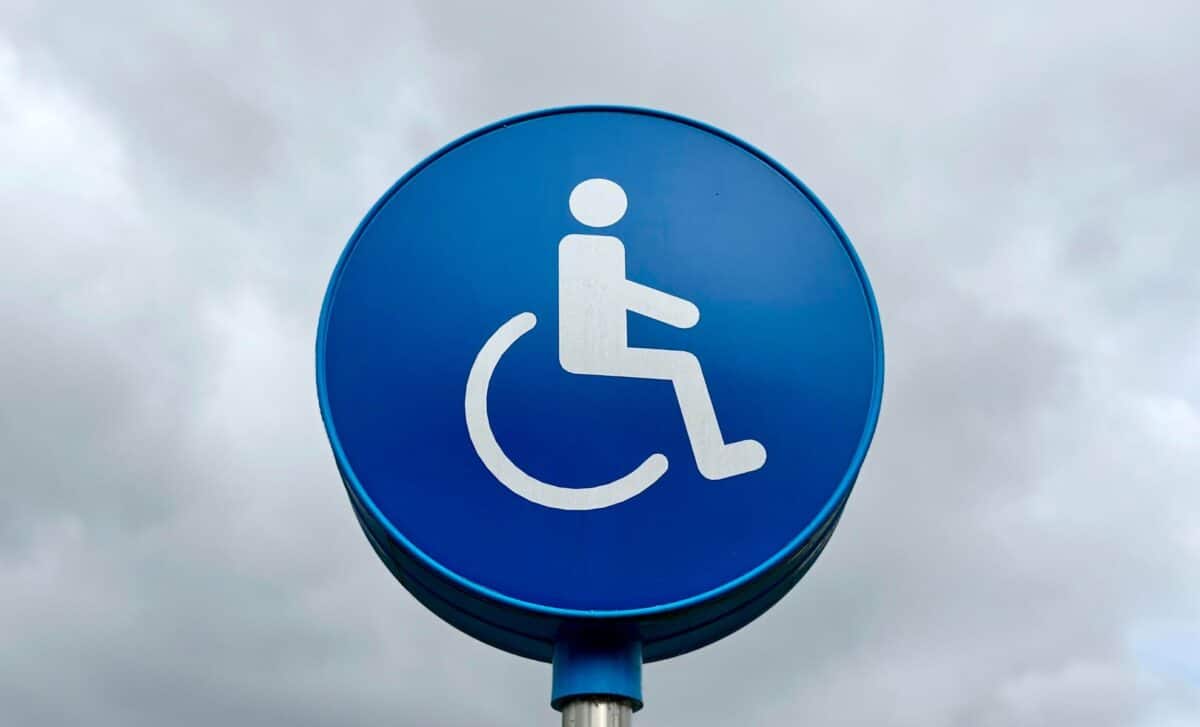
Parking experts are warning that a widespread misconception about Blue Badge privileges could leave millions of disabled drivers facing unexpected fines. The misunderstanding centres on a fundamental distinction between public and private car parks that many motorists are unaware of.
More than three million Blue Badge holders in England alone may be operating under the false assumption that their permit guarantees free parking wherever they travel. According to data from the Department for Transport, that figure continues to grow, with a further 228,000 licences issued year-on-year, meaning the number of drivers potentially exposed to this misunderstanding is rising steadily.
Private Car Parks Are Not Bound by the Same Rules
The core of the issue lies in how Blue Badge protections apply differently depending on who owns and operates a car park. Daniel Swain, a secondhand mobility scooter expert from Seacroft Mobility, explains that private sites, including those attached to supermarkets and hospitals, are not automatically required to honour the same concessions as public roads and council-operated spaces.
“Don’t assume free parking,” Swain said. “A Blue Badge doesn’t always guarantee free parking in a private car park, like at a supermarket or hospital. You must always read the signs there, as you might still have to pay or register your car.“
GOV.UK guidance reinforces this, stating that Blue Badge holders “may park for free” in eligible bays unless signs indicate otherwise, and that holders should be aware of local parking schemes and restrictions that may apply in specific locations.
Consequences Can Go Beyond a Simple Fine
Experts at Seacroft Mobility caution that the consequences of getting this wrong extend further than many drivers might expect. While an unexpected parking charge is inconvenience enough, persistent violations or misuse of a Blue Badge, even unintentional, can result in significantly more serious outcomes.
According to Swain, penalties can reach into the hundreds of pounds, and in the most severe cases, badges can be revoked entirely. “A simple mistake could cost you hundreds in fines or, in the worst cases, result in your badge being taken away,” he said.
To avoid falling foul of site-specific rules, Seacroft Mobility advises Blue Badge holders to consult their local council’s website before travelling to an unfamiliar location and to check signage carefully upon arrival. Car park signs at individual sites are required to set out the applicable rules, including whether disabled permit holders need to pay or register their vehicle.
The Blue Badge scheme itself remains a vital provision for those with severe mobility issues or hidden disabilities, offering real-world parking flexibility that many depend on daily. The risk, experts say, is not with the scheme itself but with the assumptions that have grown up around it. As Swain put it: “Most people think their Blue Badge is a licence to park anywhere for free, but that’s just not the case. Different councils, and even different car parks, have their own rules.”