
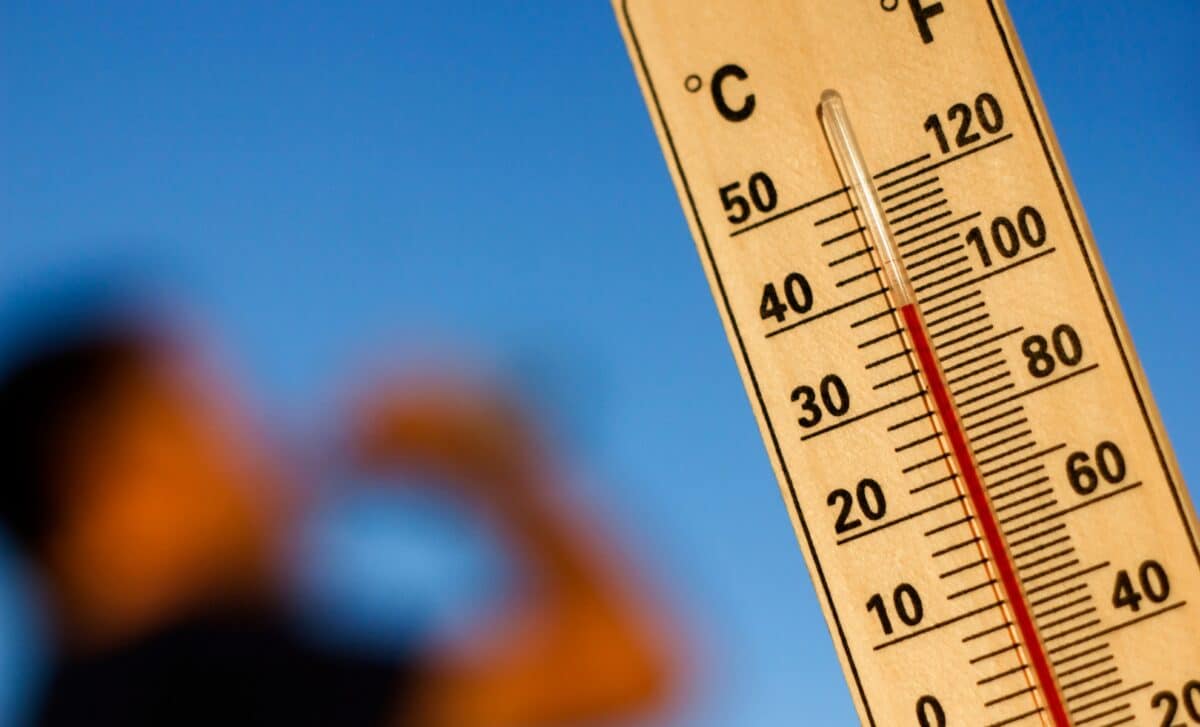
A new extreme heat warning from the Met Office has raised fresh questions about working conditions in the UK, as temperatures are forecast to reach up to 38C in parts of England and Wales this week, prompting concern among workers about when heat becomes unsafe in the workplace.
Heatwave Conditions Across The UK
The Met Office has expanded its amber heat warning to cover four days, running from Monday through to Thursday, with large parts of the Midlands, southern England and Wales expected to be affected.
Temperatures are forecast to peak at around 38C in some areas, including Birmingham, by Thursday. Forecasters say hot and humid conditions are likely to persist throughout the middle of the week, with limited overnight relief in some regions.
The warning follows a series of record-breaking temperatures in recent years, including the hottest May day on record in London, when temperatures reached 34.8C. With many people returning to work as the week begins, attention has turned to whether there are legal limits on workplace temperatures in the UK.
Are There Legal Maximum Work Temperatures?
Under UK health and safety guidance, there is no legal maximum temperature for workplaces.
Government guidance states that during working hours the temperature inside workplaces must be “reasonable,” but does not define a fixed upper limit for hot conditions. This means there is no official temperature at which it becomes illegal to work.
There is also no specific law that sets a maximum threshold for hot weather in either indoor or outdoor working environments. However, employers are legally required to ensure health and safety at work, which includes maintaining a comfortable working environment and providing adequate ventilation and fresh air.
Recommended Workplace Temperatures
While no maximum is defined in law, official guidance does provide recommended minimum temperatures. The guidance suggests a minimum of around 16C for general indoor work, or 13C for those carrying out physical labour.
These figures are not legal requirements but are used as reference points in workplace health and safety assessments. In hot weather conditions, employers are expected to take appropriate steps to reduce risk, particularly for workers carrying out physical activity or working outdoors for long periods.
Outdoor Workers And Heat Risks
Workers in construction, agriculture and other outdoor industries are among those most exposed during heatwaves.
The Construction (Design and Management) Regulations require that reasonable temperatures are maintained in indoor work areas on construction sites, but there is no specific legal limit for outdoor working temperatures.
In practice, employers are expected to assess risk and take measures such as adjusting working hours, increasing breaks, or providing water and shade during extreme heat conditions.
Worker Rights And Employer Responsibility
Employees are encouraged to raise concerns if workplace temperatures become uncomfortable or potentially unsafe. Employers must comply with general health and safety legislation, which requires them to manage risks to staff wellbeing, including those linked to extreme heat.
As the UK faces another period of unusually high temperatures, attention is likely to remain on how workplaces manage heat exposure, particularly in sectors involving physical labour or limited indoor cooling.