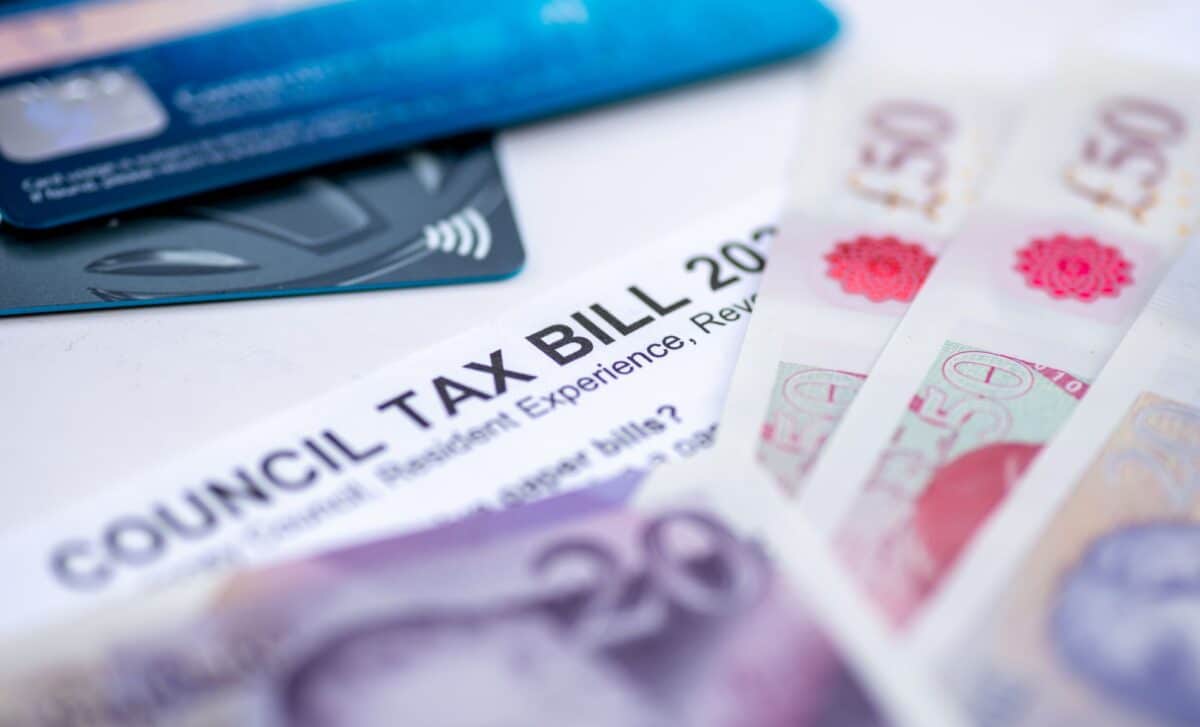
Households across the UK are beginning to receive their Council Tax bills for the 2026/27 financial year, with many facing higher payments than last year. Some residents, though, may be entitled to discounts or exemptions that can significantly reduce what they owe.
Several categories of people can qualify for reductions ranging from 25% to 100%, depending on their circumstances. According to reporting by the Daily Record, many of these discounts are not widely known and must be claimed through the relevant local authority.
Council Tax is charged based on the value of a property and the area in which it is located. While payment levels vary between councils, support schemes and statutory discounts are available for certain households.
People struggling with increased bills may also have the option of spreading payments over 12 monthly instalments rather than 10 by contacting their local council. Local authority websites also allow residents to set up Direct Debit payments and choose an available instalment schedule.
Who May Be Entitled to a Council Tax Discount?
According to the Daily Record, seven broad groups may qualify for reductions on their Council Tax bill. People who live alone can apply for the 25% Single Person Discount. Households where the only other occupants are children under the age of 18 may also qualify under council tax discount rules.
Support is also available in cases involving severe mental impairment (SMI), including conditions such as dementia. Where a person with SMI lives in a property, special discount arrangements may apply depending on the household composition.
Live-in carers and households that include a live-in carer may also be eligible for reductions. Full-time students are another group that can receive support, while some students may qualify for full exemption from Council Tax.
Low-income households are encouraged to check their eligibility for assistance. According to council guidance, Council Tax Support is available to people who live in the UK, pay Council Tax and are on a low income. The authority states that the size of the discount depends on income and circumstances, with a maximum discount of 75% in many cases.
People receiving means-tested benefits, including Universal Credit or Pension Credit, may also be entitled to help. Disabled people are among the groups that should check whether they qualify for a reduction.
Exemptions and Support Schemes Vary by Circumstance
In some situations, residents may not have to pay Council Tax at all. According to the information cited by the Daily Record, full-time students can be exempt from Council Tax. Exemptions also apply to members of the Armed Forces living in Forces accommodation and to people living in a care home or hospital.
Certain empty properties may qualify for temporary exemption. This can apply when a home is unoccupied for up to six months, including situations where the resident has gone into hospital.
People with a severe mental impairment may also be exempt under specific circumstances. The rules differ depending on who else lives in the property. For example, if someone lives only with a person who has dementia, that person may be treated as a sole occupant because the individual with dementia is disregarded for Council Tax purposes.
Some protected groups, including pensioners, war widows and certain carers, may qualify for higher levels of support through Council Tax Support schemes, depending on their income and eligibility. Residents should be aware that discounts and exemptions are not awarded automatically. According to council guidance, applications must be made through the relevant local authority in order for support to be considered.