

Andy Burnham is considering two possible funding models for a new social care system, with proposals that could affect workers’ incomes or the way estates are taxed. No final decision has been made, but both options are being examined as part of a wider review of social care funding.
Two Funding Options Under Review for National Care Service
The Prime Minister has ordered an accelerated review into the future of social care, led by Casey, before deciding how reforms should be financed. Government sources indicate that two possible approaches are being discussed.
The first option involves a 1.8% social insurance levy on income, based on proposals developed by Re:State, a think tank linked to Burnham. The second option would replace the current inheritance tax system with a 10% charge on estates, designed to help finance a proposed National Care Service.
Both ideas would represent major changes to how social care costs are funded in the UK.
Income Levy Could Add Costs for Workers
Under the proposed social insurance model, workers aged over 34 would contribute 1.8% of income above £6,240. The threshold would sit below the current £12,570 Personal Allowance, meaning many workers would pay the levy on a larger share of their earnings.
For someone earning the average full-time salary of £39,039, the additional annual cost would be around £590, equal to about £49 per month. This would come alongside existing deductions such as income tax, National Insurance contributions and workplace pension payments.
The money raised would be used to fund care services for future generations, with additional contributions expected from wealthier pensioners.
Estate Tax Proposal Would Replace Inheritance Tax
The alternative proposal would remove the current inheritance tax system and introduce a flat 10% charge on all estates. At present, inheritance tax applies only to a small proportion of estates because of tax-free allowances.
Individuals can currently pass on up to £325,000 without inheritance tax, with an additional £175,000 allowance available when a main residence is passed to children or grandchildren. For couples, the combined allowances can reach up to £1 million in certain circumstances.
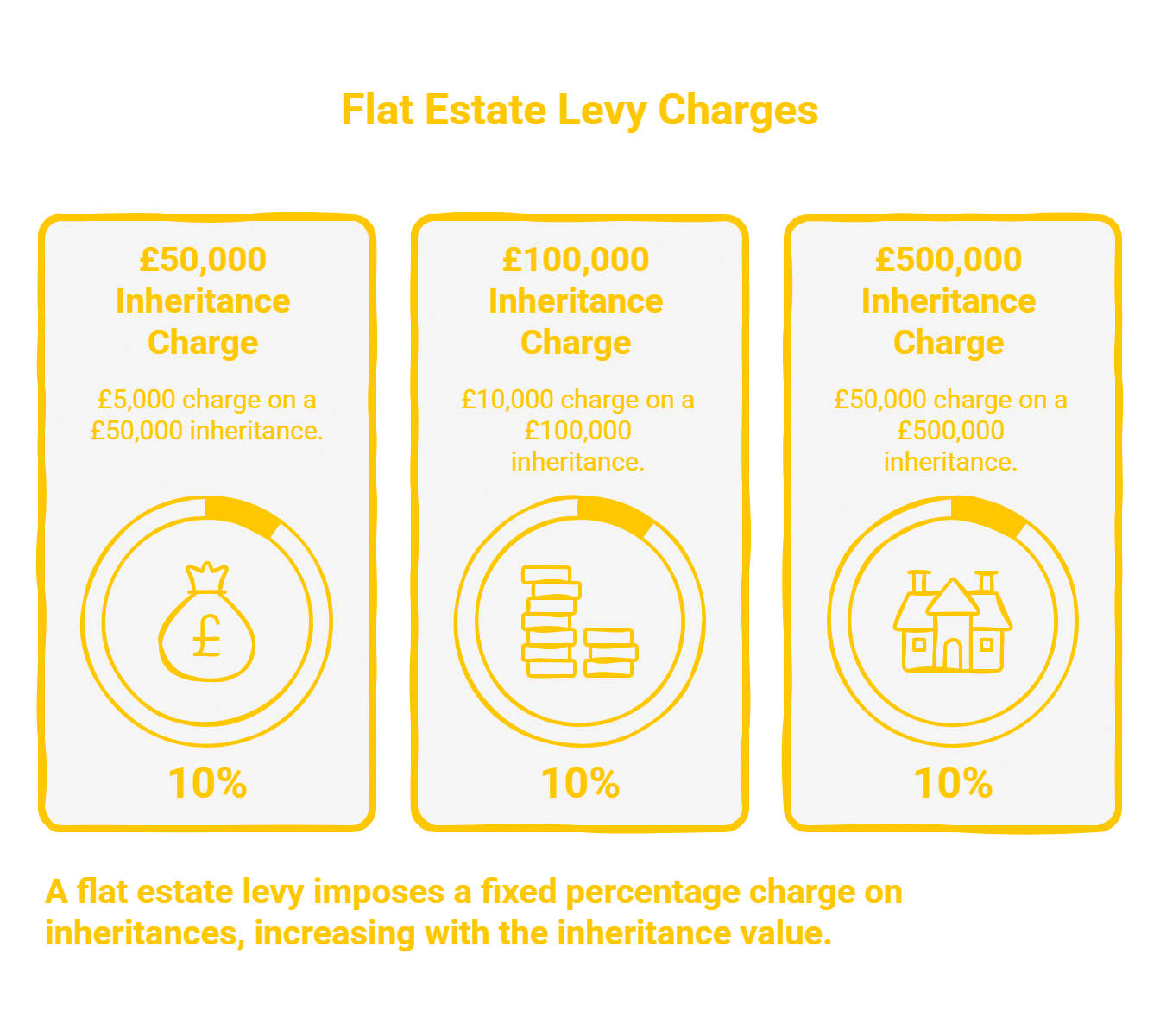
Under a flat estate levy, those protections would disappear. An inheritance of £50,000 would result in a possible £5,000 charge, while an inheritance of £100,000 could lead to a £10,000 payment. An estate worth £500,000 could face a £50,000 charge.
Proposal Revives Earlier Debate Over Inheritance Tax
The estate levy idea is not new. Burnham previously suggested replacing inheritance tax with a flat charge in 2010 during his time as health secretary. A similar debate took place under former Prime Minister Theresa May in 2017, when plans linked to social care funding became known as the “dementia tax” controversy.
Critics argued that changes to inheritance rules could create uncertainty for families planning their finances.
Final Decision Depends on Social Care Review
The Government has stressed that no final decision has been taken and that funding choices will depend on the outcome of the social care review. The proposals highlight the growing pressure on policymakers to find long-term funding solutions for a sector facing rising demand from an ageing population.
Any reform would require balancing the need for sustainable care funding with concerns about the effect on household finances and intergenerational wealth.