
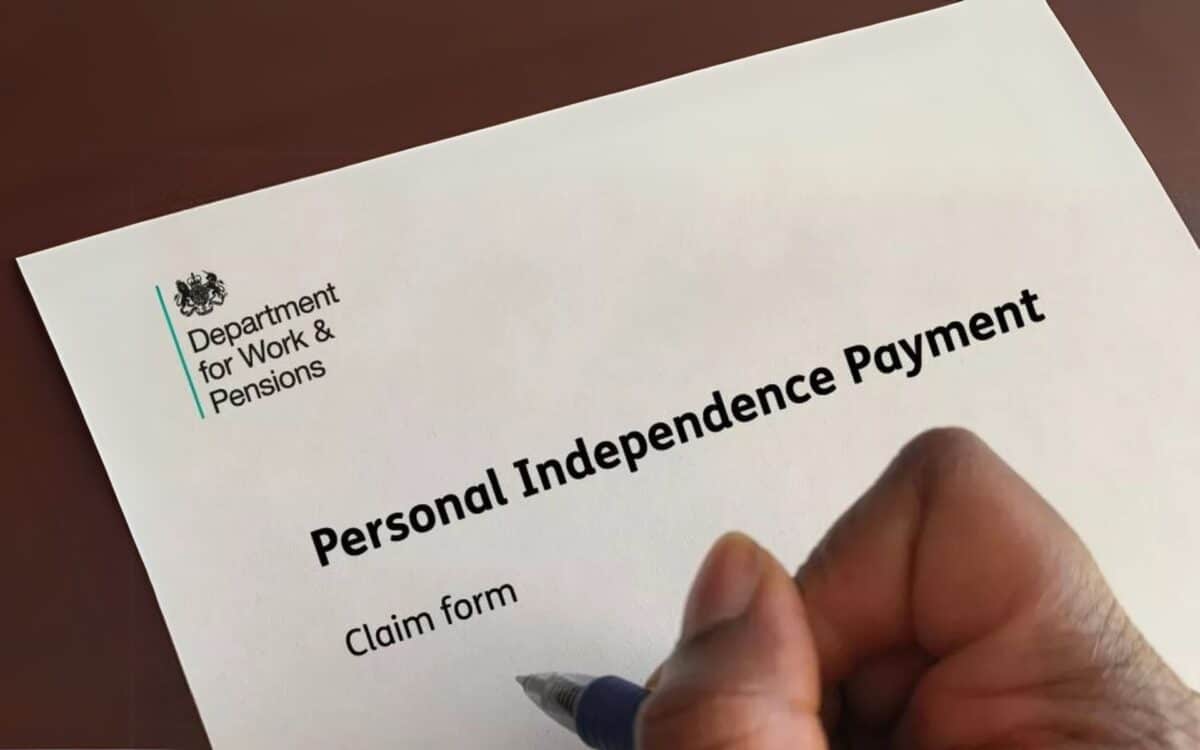
A proposed overhaul of Personal Independence Payment (PIP) could change how disability benefits are delivered across the UK, introducing one-off cash awards alongside regular payments and new support services.
Why the Resolution Foundation Wants PIP to Change
The Resolution Foundation has urged the Labour government to reconsider how the Department for Work and Pensions (DWP) distributes PIP, according to Lincolnshire Live.
Research cited by the think tank suggests that one in six working-age PIP recipients reports no additional disability-related expenses, although many claimants live with complex health conditions.
A significant proportion of recipients also remain on PIP for extended periods, raising questions about whether the existing payment structure adequately reflects changing needs.
The Foundation recommends retaining functional assessments while examining individual expenses more closely:
“A function test should remain at the heart of the PIP system, but assessments should also include a discussion of what extra costs claimants experience and what would help them participate more in the wider world.”

Credit: Canva
Three Types of Support Could Replace the Current Approach
Rather than replacing all recurring payments with lump sums, the proposal would introduce three distinct forms of assistance.
The Foundation explains:
“There should be three elements that a decision maker can award a claimant: an ongoing cash element to contribute to additional costs; a capped one-off payment for capital items such as aids and adaptations; and a participation element, usually delivered through local services, designed to build claimants’ capacity to engage with society.”
This would allow some claimants to receive regular financial assistance while accessing separate funding for expensive equipment or modifications.
The proposed participation element would provide additional support through local services, rather than relying exclusively on cash benefits.
Why One-Off Payments Could Help Cover Major Expenses
The Foundation argues that regular installments do not always work well for claimants facing substantial upfront expenses.
Its research indicates that 30% of PIP recipients report additional costs for aids or appliances, including wheelchairs. Another 22% report expenses associated with adapting their homes or vehicles.
The think tank states:
“The capital element would be a non-recurring cash payment that would contribute to ‘one-off’ costs, like buying aids or equipment or making adaptations to a home or vehicle.”
It also explains the limitations of spreading financial support over time:
“This element is needed because an ongoing cash payment is not the best way of targeting these costs; it would lead to some recipients receiving more money than is needed, while others will struggle without the equipment or adaptations that would support their functioning as they save up their ongoing cash payments for months or years until they can afford a costly expense.”
More Frequent Reviews and Different Support for Younger Claimants
The proposed reforms would also change how the DWP monitors claimants’ circumstances.
The Foundation recommends:
“There should be more frequent but lower-stakes engagement with DWP including light-touch check-ins between formal reviews. Each element of an award could reviewed separately, and the cadence of reviews should be tailored to people’s conditions.”
This approach would allow different parts of an award to be reassessed independently, with review schedules reflecting individual health conditions.
Younger recipients could also receive targeted assistance through the proposed participation services.
The Foundation states:
“Young people will disproportionately benefit from the introduction of a ‘participation element’, but the need for cash awards for young PIP claimants remains.”
The recommendations remain proposals rather than confirmed DWP policy. Under the suggested model, ongoing cash payments would remain available, while separate one-off awards would help fund disability-related equipment and adaptations.