The findings come as ministers face growing concerns about welfare spending and lengthy NHS waiting lists. According to The Times, former government officials and health professionals have questioned whether cash payments alone can adequately support young people experiencing mental health difficulties.
Rising PIP Claims Raise Questions About Welfare Spending
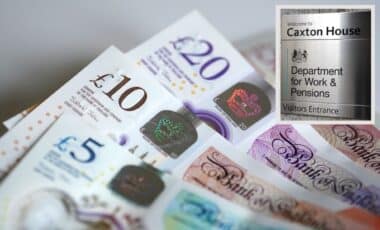
Data obtained by The Times Welfare Inquiry shows that 127,600 people aged 16 to 19 claimed PIP for autism, ADHD and depression over the past year. The benefit is not means-tested and is intended to help cover additional costs associated with disability.
Recipients receive an average of £169 a week, equivalent to approximately £8,800 annually. Payments can reach £194 weekly, or £10,119 a year. Together, payments to the identified group cost taxpayers more than £1 billion annually.
A former Department for Work and Pensions (DWP) minister questioned whether existing arrangements were providing the assistance young people needed. “These kids want help, but they are getting cash instead,” the former minister told the inquiry.
The official argued that money currently distributed through benefits could potentially fund treatment, but acknowledged that the DWP does not provide therapy and the NHS cannot prioritise patients simply because they receive welfare payments.
An unnamed PIP assessor also expressed concerns about the limited progress among claimants awaiting treatment. The assessor reported encountering relatively few cases of improvement over the preceding six months, with many young people remaining on waiting lists.
The government has defended its record on managing the wider caseload. A spokesperson said annual growth in PIP claims had fallen from 400,000 in the 12 months to July 2024 to 260,000 in the 12 months to July 2026. The spokesperson also acknowledged that the benefit system required reform, citing the Timms Review and its recommendations for future changes.

NHS Waiting Lists Intensify Concerns Over Young People’s Mental Health
The debate over PIP eligibility comes amid substantial pressure on children’s mental health services in England.
According to The Times, 442,000 children are waiting an average of almost ten months for NHS mental health support. Around 44,200 have been waiting for almost three years, while referrals have nearly doubled over six years.
A standard mental health consultation costs the NHS approximately £320, increasing to £480 for specialist services. The inquiry calculated that providing six therapy sessions to every child on the waiting list would cost £251 million less than last year’s PIP expenditure for the identified teenagers.
Dame Rachel de Souza, the Children’s Commissioner for England, warned that more than one million children have an active referral to mental health services. “These figures should be a wake-up call,” she said, calling for better coordination between health, education and social care.
The wider consequences are also reflected in youth employment figures. Almost one million people aged 16 to 24 are not in education, employment or training. Former health secretary Alan Milburn’s interim review found that one in four young people in this group were unable to work because of long-term sickness or disability. Among them, 43 per cent identified mental ill health as their main condition.