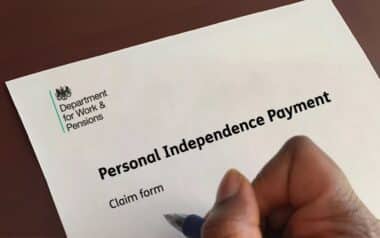

The Department for Work and Pensions (DWP) is continuing to reassess certain Personal Independence Payment (PIP) claimants when changes occur in their personal or health circumstances. With around 3.9 million people currently receiving PIP, these reviews form a central part of how the benefit system adapts to individual needs over time.
The Main Triggers Behind a PIP Reassessment
A reassessment is not automatic for every claimant but is typically triggered by specific changes. One of the most common reasons is a shift in a person’s health condition. This could involve an improvement, a deterioration or the diagnosis of a new condition that affects daily living or mobility.
Changes in living arrangements can also lead to a review. For example, moving into or out of a hospital or care home may prompt the DWP to reassess the level of support required, reports Birminghammail. Similarly, spending a prolonged period abroad can affect eligibility and result in a reassessment being initiated.
In addition, the DWP may act on new information obtained through routine checks or data shared by other government departments. These checks are part of ongoing efforts to ensure that claims remain accurate and reflect current circumstances.
How the PIP Review Process Works
When a review is required, claimants receive a letter asking them to complete a Personal Independence Payment review form. This form is designed to capture any changes in condition or daily needs and must usually be returned within one month. If more time is needed, claimants can contact the relevant service to request an extension.
Supporting evidence plays an important role in this process. Claimants are encouraged to provide updated medical information or documentation that has not previously been submitted. This helps the DWP make a more informed decision.
Importantly, PIP payments continue while the review is ongoing, which means there is no immediate interruption to financial support during the assessment period.
Assessments and Possible Outcomes
After reviewing the submitted form, the DWP may decide that further information is required. In some cases, an independent health professional may contact the claimant or arrange an assessment. These assessments can take place in different formats, including face-to-face meetings, phone calls or video consultations.
Once all the information has been considered, a decision is made. The outcome depends on how the claimant’s needs have changed. Payments may be increased if additional support is required, reduced if needs have decreased, or stopped if eligibility criteria are no longer met.
Challenging a Decision
If a claimant disagrees with the outcome, there is a formal process to challenge it. This begins with a mandatory reconsideration, where the DWP reviews the decision again. This step is required before any further appeal can be made.
Changes to Review Timelines
Recent updates suggest that review intervals may become longer for many claimants aged 25 and over. New claims are expected to be reviewed after a minimum of three years, with the possibility of extending to five years at the next review if circumstances remain stable.