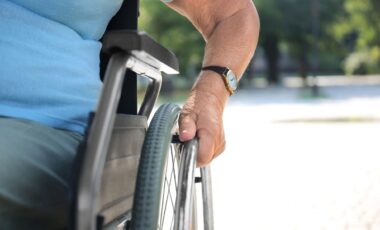

Millions of people receiving Personal Independence Payment (PIP) will see higher payments from May, with some receiving up to £778 every four weeks. The increase follows updated rates introduced at the start of the new financial year, offering additional support to those living with long-term health conditions.
A Widely Claimed Benefit Across the UK
PIP remains one of the most commonly claimed benefits, with close to four million people across England and Wales currently receiving support. The benefit is designed to help cover the extra costs linked to daily living and mobility needs.
Among all conditions, musculoskeletal disorders represent a large share of claims. These include a wide range of issues affecting muscles, joints and bones, from arthritis to chronic pain conditions. Recent data shows more than 1.2 million people receive PIP for these conditions alone, highlighting how common they are.
Conditions That Can Qualify for Payments
The Department for Work and Pensions recognises dozens of musculoskeletal conditions, including osteoarthritis, rheumatoid arthritis, fibromyalgia and spinal disorders. Each claim is assessed based on how the condition affects daily life rather than the diagnosis itself.
This means two people with the same condition may receive different levels of support depending on how their mobility and daily tasks are impacted. The system looks at practical difficulties such as preparing meals, washing, dressing or planning journeys.
How Much Claimants Can Receive
PIP is made up of two components: daily living and mobility. Each has a standard and enhanced rate. For the 2026/27 financial year, weekly payments range from £30.30 to £194.60, reports GBNews.
When combined and paid every four weeks, this results in total payments ranging from £121.20 up to £778.40, depending on the level awarded. Those with the highest needs, receiving enhanced rates for both components, will see the largest payments.
How Eligibility Is Assessed
To qualify, individuals must have experienced difficulties for at least three months and expect them to continue for at least nine months. Applicants are assessed by healthcare professionals who review how their condition affects everyday activities.
The process considers whether tasks can be completed safely, how long they take and whether assistance is needed. Assessments can take place in different formats, including face-to-face, phone, video or paper-based reviews, depending on the situation.
What This Means for Claimants
For many households, the updated payments arrive at a time when living costs remain under pressure. Even a modest increase can make a difference, particularly for those managing ongoing health conditions.
The rise also reflects a broader trend, where support is adjusted each year to keep pace with changing economic conditions. For claimants, staying informed about eligibility and payment levels can help ensure they receive the support they are entitled to.