

The average annual fuel bill for a diesel van could reach £1,965 in 2026, compared with £1,294 last year. The increase comes as disruptions to oil refineries in the Middle East and Russia place further pressure on global fuel supplies, affecting businesses that depend on road transport.
Diesel Costs Rise Sharply for Britain’s Van Drivers
According to analysis by Moneysupermarket, reported by The Guardian, owners of diesel vans and pickups are expected to spend almost £8.5bn on fuel this year, compared with £5.95bn in 2025. The figures reflect the financial pressure facing commercial vehicle operators as diesel prices remain elevated.
The number of vans operating on British roads has grown considerably in recent years, driven by online shopping, home deliveries and increasing numbers of self-employed tradespeople. Despite growing interest in electric alternatives, approximately 95% of light commercial vehicles still run on diesel.
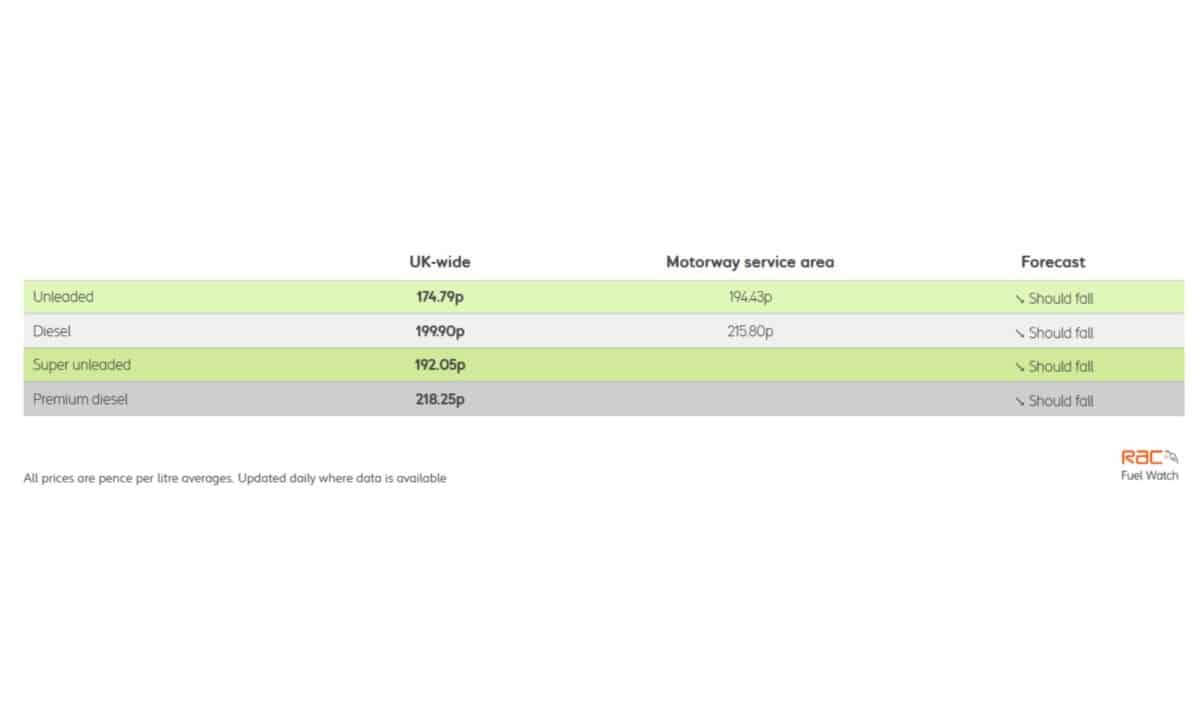
Diesel prices exceeded £2 a litre for the first time this month, following an increase of more than 40% since late February. The rise coincided with the outbreak of the US-Israel war on Iran, which disrupted supplies of crude oil and refined petroleum products from the Gulf.
The consequences extend beyond individual drivers. Higher fuel expenditure has raised concerns about the cost of transporting food and other goods, particularly where retailers pass increased distribution expenses on to customers.
Figures from the RAC indicate that diesel remains approximately 57p a litre more expensive than before the conflict, despite a recent decline in prices. Petrol costs are also 42p a litre higher. For households, those differences translate into an additional £31 to fill a family-sized diesel car and £23 for an equivalent petrol vehicle.
Industry Groups Urge Government To Reconsider Fuel Duty Increases
The rising cost of diesel has intensified pressure on ministers ahead of the upcoming budget, with transport organisations calling for planned fuel duty increases to be cancelled. The government intends to increase fuel duty by 3p a litre from 1 January, followed by another 2p from 1 March. The changes were previously postponed from September.
Richard Smith, managing director of the Road Haulage Association, warned that many transport businesses operate on profit margins of approximately 2%, leaving them particularly exposed to higher operating expenses.
According to Smith, some companies are already spending thousands of pounds more on fuel every week. He described the proposed duty increases as a further financial burden for transport operators and consumers. “A fuel duty hike is a food price hike,” Smith said.
The association has requested a 15p-a-litre rebate for British van, coach and haulage operators, pointing to similar support introduced in Spain, France and Italy. The RAC has also urged government intervention. Its head of policy, Simon Williams, warned that 2026 remains on course to become the second most expensive year on record for motorists.
Williams suggested extending or increasing the existing fuel duty reduction, or cutting VAT, as possible measures to ease costs. Meanwhile, US President Donald Trump announced a deal concerning Russian diesel on Friday, prompting criticism from Ukrainian President Volodymyr Zelenskyy.