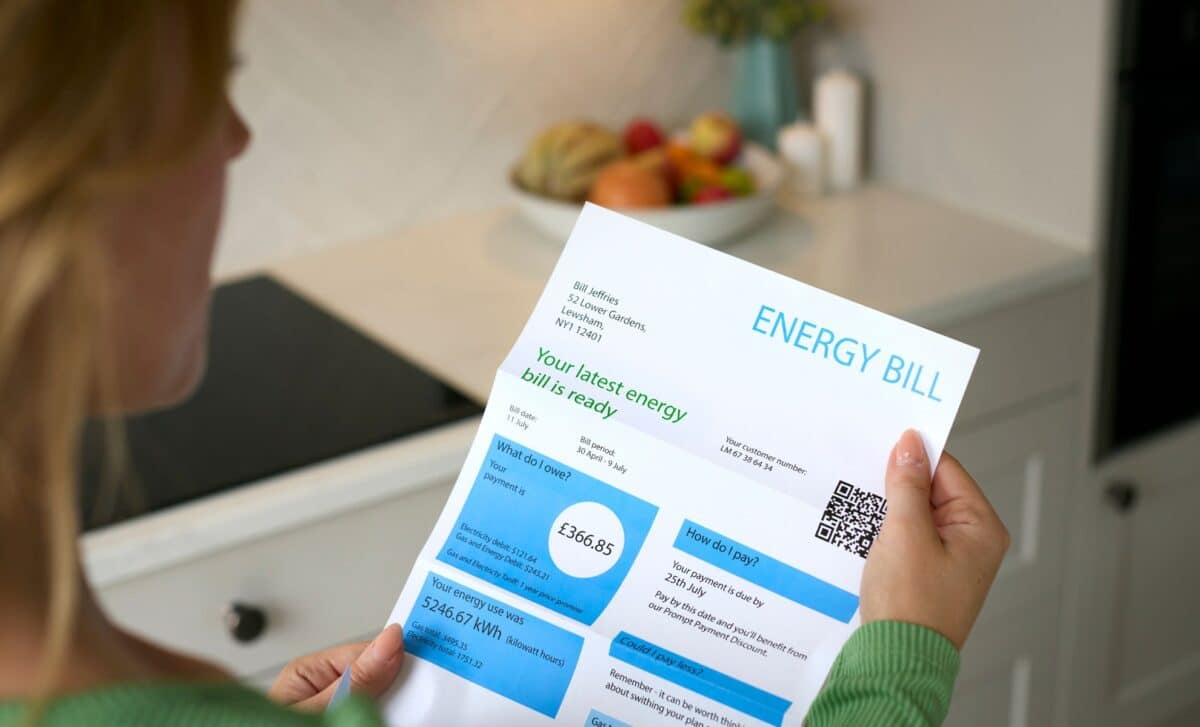
UK households could face a 27 per cent increase in annual energy bills from January, with a new forecast suggesting that the typical yearly cost could rise to £2,192. The expected increase follows renewed fighting involving the United States and Iran, which has pushed wholesale gas prices to their highest level in four years.
The warning comes as Europe prepares for winter with dwindling gas supplies and growing demand for heating. With the UK government preparing its Budget, attention is turning to whether additional financial support will be introduced for households facing higher energy costs.
Wholesale Gas Prices Climb as European Supplies Come Under Pressure
An analysis by energy supplier EDF forecasts that Ofgem’s annual price cap could rise from its current level of £1,723 to £2,192 in January. The projected increase would represent a 27 per cent rise and take the cap to a record high.
Wholesale gas prices reached €97 (£81) per megawatt-hour on Monday, amid renewed attacks involving the US and Iran. Reports that the US and Israel have drafted plans to intensify attacks on Iran following the midterm elections have also contributed to rising market prices, according to The Independent.
European gas supplies are already under pressure as temperatures fall and heating demand increases. The combination of dwindling reserves and continued conflict has driven wholesale prices to a four-year high. EDF’s analysis suggests that the unit price of domestic gas could reach 11.13p per kilowatt-hour in January. That would exceed the previous record of 10.33p per kilowatt-hour recorded at the beginning of 2023, following Russia’s invasion of Ukraine.
Ofgem reviews its energy price cap every three months, taking account of the costs faced by suppliers. The cap restricts the unit rates that energy companies can charge households for gas and electricity. According to The Sun, typical annual energy bills could rise further to £2,389 in April before falling from July. The figures remain forecasts rather than confirmed changes to the regulator’s price cap.
Government Faces Pressure to Provide Additional Support for Households
The expected increase has intensified calls for government intervention ahead of Chancellor John Healey’s Budget on Wednesday. Rising bills have prompted concern about the ability of households to afford heating during the winter.
The New Economics Foundation (NEF) has called for £6bn in additional support and proposed a national energy guarantee covering a block of essential household energy consumption at late-2024 prices.
According to the foundation’s researchers, the proposed measure would reduce electricity bills by an average of 25 per cent and gas bills by 40 per cent from January. The Chancellor is reportedly considering allocating £1bn to expand the Warm Home Discount, which supports households receiving certain means-tested benefits. EDF has also urged ministers to provide additional assistance to those struggling with energy costs while addressing the growing problem of energy debt.
The supplier pointed to Britain’s continued dependence on fossil fuels, noting that oil and gas account for 70 per cent of the country’s total energy consumption. It called for faster electrification to reduce exposure to future energy price shocks and make greater use of domestically generated electricity. With further increases forecast for April, the forthcoming Budget will be closely watched for measures aimed at limiting the financial pressure on households this winter.