
Millions of people across the UK will see their DWP payments and state pension arrive earlier than usual in May due to upcoming bank holidays. The adjustment affects a wide range of benefits, including Universal Credit, Personal Independence Payment and State Pension.
Why DWP Payment Dates Are Changing
The changes are linked to two bank holidays taking place in May 2026. These are the Early May Bank Holiday on Monday, May 4, and the Spring Bank Holiday on Monday, May 25.
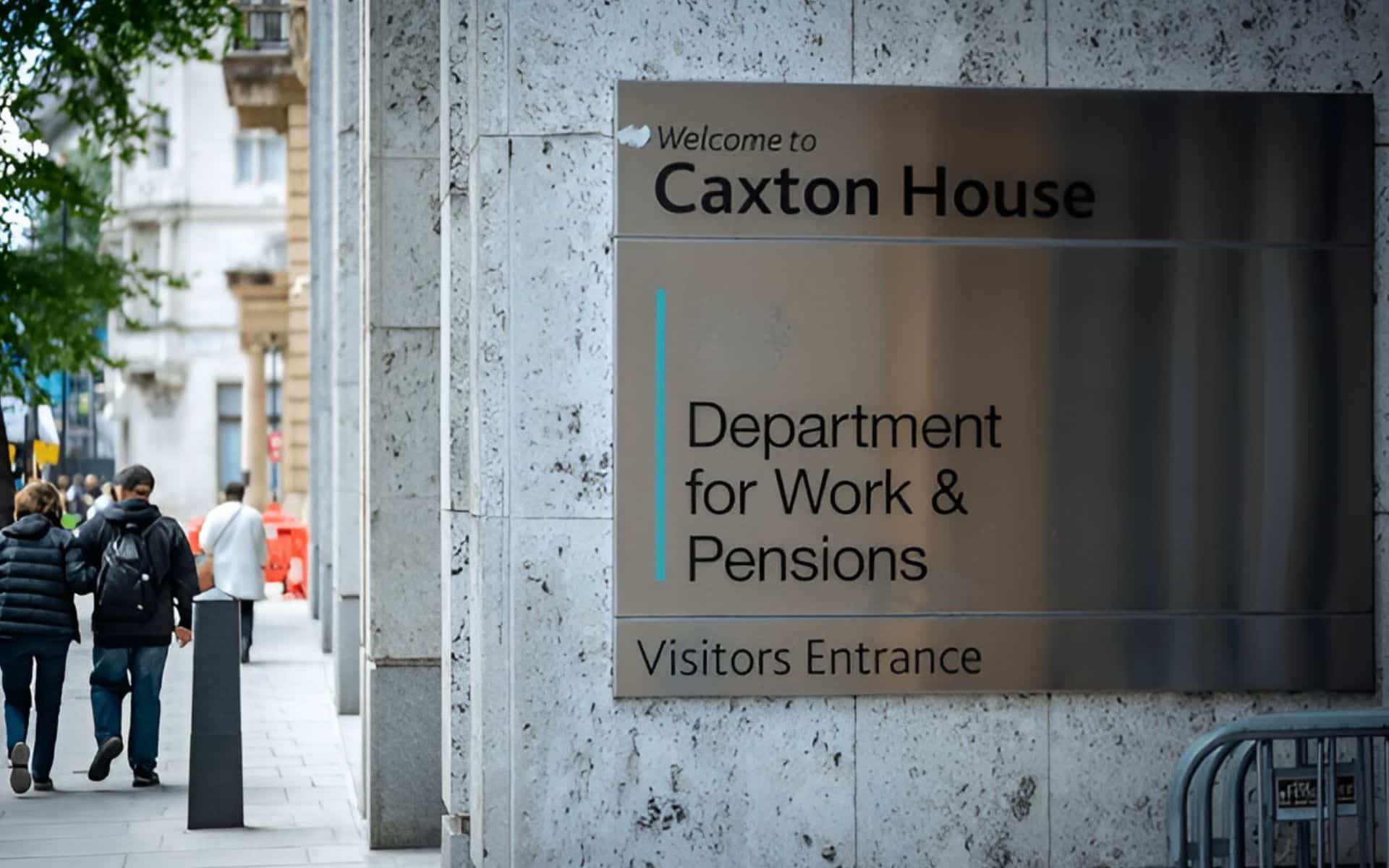
Because banks and government offices are closed on these dates, the Department for Work and Pensions (DWP) cannot process payments as normal. As a result, payments due on these days are brought forward.
New Payment Dates Confirmed
Anyone expecting a payment on Monday, May 4 will instead receive their money on this Friday, May 1. Similarly, payments scheduled for Monday, May 25 will be made on Friday, May 22.
This applies to a wide range of benefits, ensuring recipients still receive their money without delay, even if the timing is earlier than usual.
State Pension Follows the Same Rule
The State Pension will also follow the same adjusted schedule. Pensioners whose payment date falls on either bank holiday will receive their funds on the preceding Friday.
Regular payment days for pensions remain based on the last two digits of a National Insurance number, but the bank holiday rule overrides this when necessary.
What This Means for Household Budgets
While receiving payments earlier may be helpful, it also means a longer gap until the next payment. This can affect budgeting for some households, particularly those relying on regular benefit income.
Recipients may need to plan spending carefully to ensure funds last until the next scheduled payment date.
Recent Increase in State Pension Rates
These changes come shortly after an increase in pension payments from April 6. The full state pension has risen to £241.30 per week, while the basic state pension has increased to £184.90.
The rise reflects a 4.8% increase under the government’s triple lock policy, which links pension growth to earnings, inflation or a fixed rate.
What to Expect in May
For most recipients, the only change is the timing of payments, not the amount. Funds will still arrive automatically into accounts, just earlier than expected.
Keeping track of these adjusted dates can help avoid confusion and ensure households stay on top of their finances during the bank holiday period.