
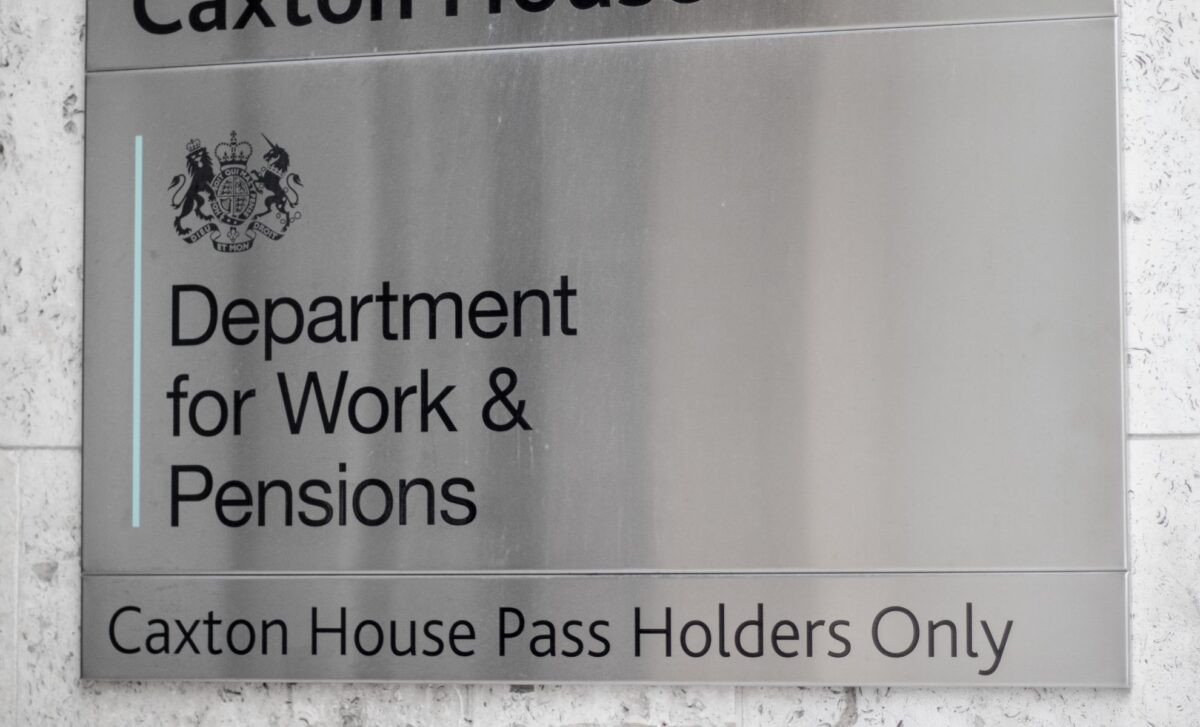
The Department for Work and Pensions has said it will make changes to its services after reviewing cases in which claimants’ experiences fell below expected standards. The update covers services including Universal Credit and Personal Independence Payment, two areas that accounted for a large share of the department’s Internal Process Reviews last year.
The announcement comes as the separate Timms Review of PIP enters another stage, with disabled people, those with long-term health conditions and others invited to take part in workshops intended to test its emerging recommendations. The review’s final recommendations are expected in autumn 2026.
Internal Reviews Identify Problems in Universal Credit and PIP Cases
Internal Process Reviews, known as IPRs, examine individual customer cases to establish whether the DWP followed the correct operational processes and whether changes could improve its services. Investigators gather evidence and hold fact-finding discussions with people involved in the claimant’s journey.
According to Birmingham Live, 87 IPRs were completed last year. Of those, 40 concerned Universal Credit and 19 related to PIP, making them the two largest categories identified in the figures. Fifteen of the reviewed cases were also subject to external scrutiny, including Safeguarding Adults Boards, Serious Case Reviews, Domestic Homicide Reviews or coroners.
The department says it supports around 24 million customers and manages millions of interactions each year, including more than 52 million telephone calls. It also directs claimants who experience difficulties with customer service to information and support available through its website.
The DWP said it was committed to “listening, learning and acting on the lessons from the small number of serious cases” and would use that learning to continue improving its services and make sure people received the support they needed.
According to reports, the department has confirmed that findings from these internal reviews are intended to identify where operational services could be improved when customer experiences have fallen below expectations.
PIP Claimants Invited to Test Recommendations for Future Reform
Alongside the internal service reviews, the Timms Review is seeking further input from people with direct experience of PIP. Fifteen workshops are due to take place online and in person across the UK during September and October.
Registration is open until 5pm on 21 August, with selected participants due to be notified by 4 September. The workshops are primarily aimed at disabled people and people with long-term health conditions, although carers, family members and support workers can also register their interest.
More than 38,000 responses have already been received through the review’s Call for Evidence. Its interim report, published in July, said PIP was “no longer fit for purpose” and recorded concerns that assessment and decision-making processes could be stressful and dehumanising.
Participants in the workshops will be selected randomly, while the steering group will check that the final group represents a balanced range of characteristics. Where particular characteristics are under-represented, applicants from the wider pool may be selected at random to address those gaps.
Dr Clenton Farquharson CBE, a co-chair of the review, said the workshops were intended not simply to hear people’s experiences but to test emerging recommendations against real lives and understand what could make them “fairer, clearer and work better in practice”. Feedback from the sessions will be considered before the review submits its final report to the UK Government.