The Department for Work and Pensions (DWP) has identified 59 hearing and eye conditions associated with Personal Independence Payment (PIP) claims. The benefit provides financial support to people whose long-term health conditions or disabilities affect their ability to carry out everyday activities or move around independently.
The figures highlight the range of conditions recorded among claimants, from hearing loss and Ménière’s disease to glaucoma and retinal disorders. Eligibility is not determined by diagnosis alone, with the DWP assessing how a person’s condition affects daily living and mobility.
Fourteen Hearing and Ear Conditions Associated With PIP Eligibility
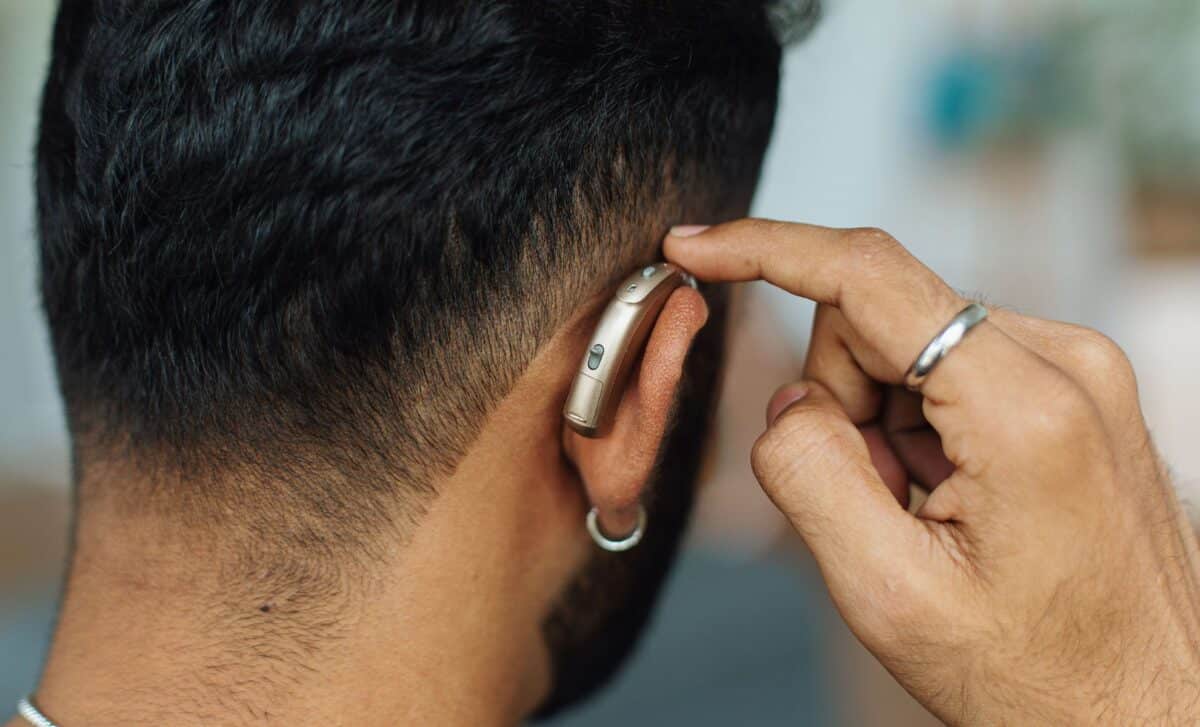
According to Birmingham Live, the DWP has confirmed 14 hearing-related conditions that may make individuals eligible for PIP. These include congenital deafness, otosclerosis, labyrinthitis, Ménière’s disease and mastoiditis.
The list also covers chronic secretory otitis media, chronic suppurative otitis media and chronic otitis externa. Conductive hearing loss is included both when caused by trauma and when its cause or type is unknown.
Other recognised categories include sensorineural hearing loss resulting from trauma, sensorineural hearing loss of unspecified origin, mixed hearing loss and other diseases affecting hearing and balance.
PIP is divided into two components, reflecting different aspects of a claimant’s circumstances. The daily living component considers difficulties with routine activities, including washing and preparing meals, while the mobility component assesses difficulties with movement and transport.
The same source reports that the standard daily living rate is £76.70 per week, rising to £114.60 at the enhanced rate. Mobility payments range from £30.30 to £80 weekly. Someone receiving the enhanced rate of both components could therefore receive £194.60 per week. The amount awarded depends on the individual’s assessed needs rather than the particular hearing condition recorded.
Forty-Five Eye Conditions Recorded Among More Than 61,000 PIP Claims
According to North Wales Live, DWP figures released in September show that 61,778 PIP claims were associated with eye conditions as of April 2026. The department’s records identify 45 categories of eye conditions among claimants.
The largest recorded category was other or unspecified diseases affecting vision, accounting for 13,377 claims. Cortical blindness accounted for 9,361, followed by retinitis pigmentosa with 5,123 and other or unspecified visual field defects with 4,682. Other recorded conditions included glaucoma, with 4,141 claims, macular degeneration with 3,331, nystagmus with 2,120 and diabetic retinopathy with 2,011.
The figures also included 1,849 cataract claims, 1,449 involving optic atrophy, 1,408 associated with keratoconus and 1,108 involving retinal detachment. Less frequently recorded conditions included entropion, with seven claims, orbital cellulitis with nine, quadrantanopia with 11 and scotoma with 15.
The same report states that total PIP claims reached 4,010,098 in April 2026, compared with 3,926,015 in January.
PIP is not means-tested, meaning employment, savings and National Insurance contributions do not determine entitlement. New applicants must generally be aged between 16 and State Pension age, although existing payments can continue beyond that age.
The DWP assesses whether difficulties affect claimants for more than half the days over a 12-month period. Having one of the listed conditions does not automatically guarantee an award.