

Almost one million UK drivers could pay an additional £425 annual vehicle tax charge this year as more cars fall above the government’s long-frozen price threshold.
£40,000 Threshold Brings More Cars Into Tax System
The Expensive Car Supplement applies to vehicles with a list price above £40,000. The charge costs motorists £425 a year and is paid for five years after the vehicle’s second year of registration, creating a total additional cost of £2,125.
The threshold has remained unchanged since 2017, despite average vehicle prices increasing sharply. As more vehicles now exceed the limit, cars considered “expensive” under the tax rules include some versions of models such as the Volkswagen Golf, Ford Kuga and Vauxhall Grandland.
Number of Affected Drivers Continues to Rise
Automotive analysis firm Jato estimates that around 926,000 new cars priced above £40,000 were registered last year. If current sales trends continue, that figure could reach around 973,880 this year.
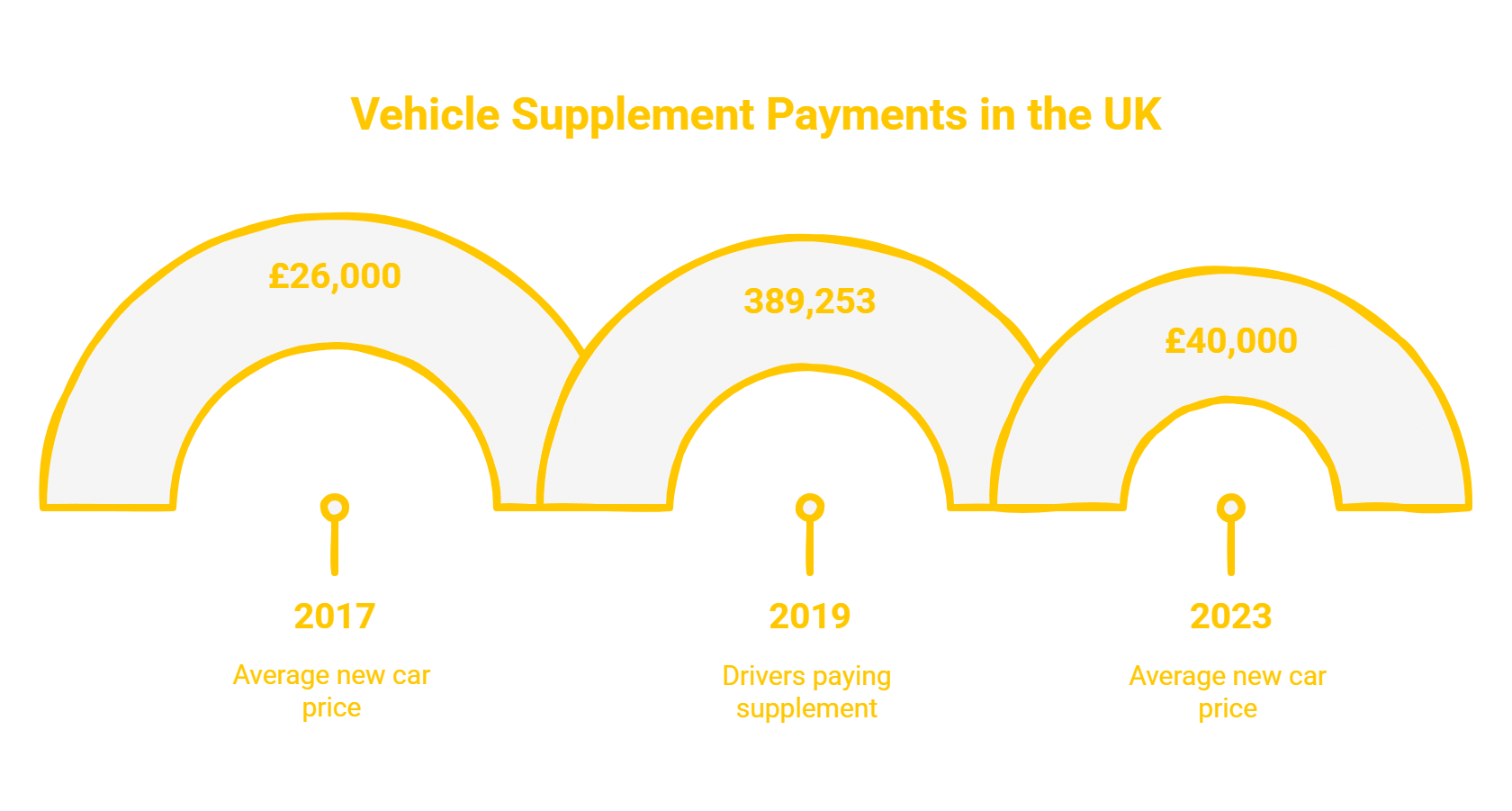
The number of vehicles affected has increased significantly compared with previous years. In 2019, around 389,253 drivers paid the supplement. When the tax was introduced in 2017, the average new car price was around £26,000. Average prices have since moved above the £40,000 mark.
Discounts Do Not Remove the Charge
The supplement is based on the manufacturer’s official list price rather than the final amount paid by the buyer. This means drivers may still have to pay the charge even if a dealer discount brings the purchase price below £40,000.
Electric vehicles have a separate threshold. The limit for fully electric cars was increased to £50,000 in April to reflect their generally higher prices. The £40,000 threshold remains unchanged for petrol, diesel and hybrid vehicles.
Debate Continues Over the Cost for Motorists
The increase in affected vehicles has prompted criticism from some motoring groups. Ian Taylor from the Alliance of British Drivers said the charge was increasingly affecting ordinary households rather than only buyers of luxury vehicles.
The Treasury said the supplement ensures buyers of higher-priced vehicles make a contribution towards public services and transport infrastructure. A spokesperson also highlighted changes such as the higher electric vehicle threshold and the continuation of the 5p fuel duty cut.
With vehicle prices continuing to rise, more drivers are now finding their cars fall within a tax category that was originally designed for more expensive models.