
Some UK drivers buying high-emission new cars face significantly higher tax costs after changes to Vehicle Excise Duty (VED) increased first-year charges for the most polluting vehicles.
First-Year Car Tax Rises Hit High-Emission Models
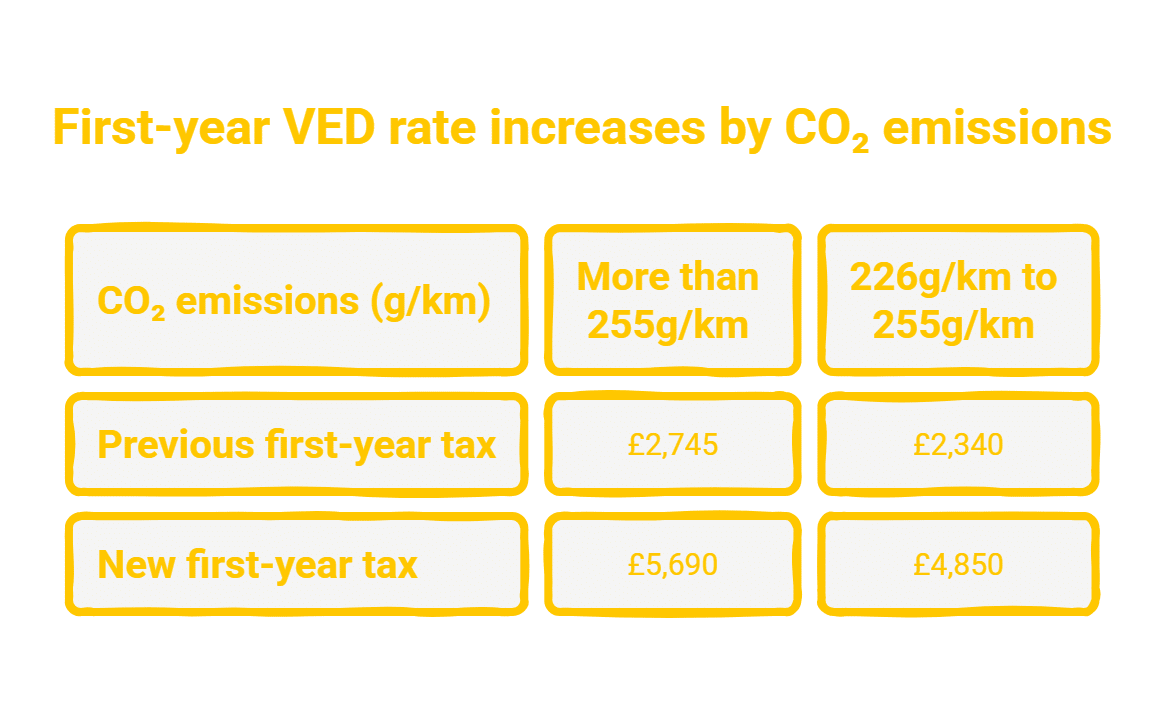
The biggest increases affect owners of newly registered cars with high CO₂ emissions. From 2025, first-year VED rates were increased, with some vehicles emitting more than 255g/km of CO₂ seeing their charge rise from £2,745 to £5,490.
The rate has since increased further with inflation, reaching £5,690. Cars producing between 226g/km and 255g/km of CO₂ also saw major changes. Their first-year tax rose from £2,340 to £4,680, before increasing again to around £4,850.
These higher charges apply only during the first year after registration. After that period, owners move to the standard VED rate.
Government Says Changes Support Electric Vehicle Adoption
The Treasury said the increase was designed to encourage buyers to choose lower-emission vehicles. Officials said higher charges for polluting cars would help support the transition towards zero-emission vehicles while generating additional revenue for public services and infrastructure.
The changes were expected to raise around £415 million in 2025/26 and a further £410 million in 2026/27.
Standard Car Tax Also Continues to Increase
The first-year charge is not the only vehicle tax affected by recent increases. Standard VED rates have also risen through Retail Price Index (RPI) inflation adjustments. For many existing vehicles, the annual standard rate is now around £200.
Electric vehicles, which were previously exempt from VED, are also facing new tax arrangements as part of wider changes to the vehicle taxation system.
Drivers Face Changing Costs Under New Tax Rules
The changes come as motorists continue to deal with higher ownership costs, including insurance, fuel and maintenance expenses. While the largest increases affect buyers of high-emission new vehicles, the wider VED changes are part of a broader shift in how road taxes are structured.
The government has argued that adjusting vehicle taxes can encourage cleaner transport choices and help fund public spending. For drivers considering a new car purchase, the level of emissions can now have a major effect on the initial cost of ownership, particularly for vehicles in the highest tax categories.