

Developed by former pensions minister Sir Steve Webb and experts at consultancy Lane Clark & Peacock (LCP), the proposed system takes inspiration from workplace pensions. It would introduce automatic enrolment for taxpayers aged 40 and over, including pensioners, while allowing anyone who does not wish to participate to opt out.
How the Proposed Social Care Payment Scheme Would Work
According to LCP, the proposed social insurance model would operate in a similar way to workplace pension automatic enrolment, introduced in 2012. That system has brought more than 11 million people into pension saving and provides the basis for the suggested approach to funding social care in England.
Under the proposals, eligible taxpayers would automatically begin paying a social care premium unless they chose to withdraw. Each year of participation would increase the discount available against their future personal care costs.
After 25 years of contributions, participants would no longer be required to contribute towards their personal care costs. The arrangement aims to address concerns among older people about potentially having to use their savings and assets to meet substantial care bills. Sir Steve Webb, now a partner at LCP, said the success of pension automatic enrolment demonstrated how a similar approach might work for social care.
“At present, people are at risk of having their life savings wiped out by ‘catastrophic’ care costs, and have no way of pooling this risk with other people,” he said. The report also suggests that contributions could support home adaptations, unpaid carers and improved access to treatment, helping people maintain their independence for longer.
The scheme remains a proposal rather than an established government policy. No automatic enrolment is currently taking place under this model, and the suggested discounts are not guaranteed.
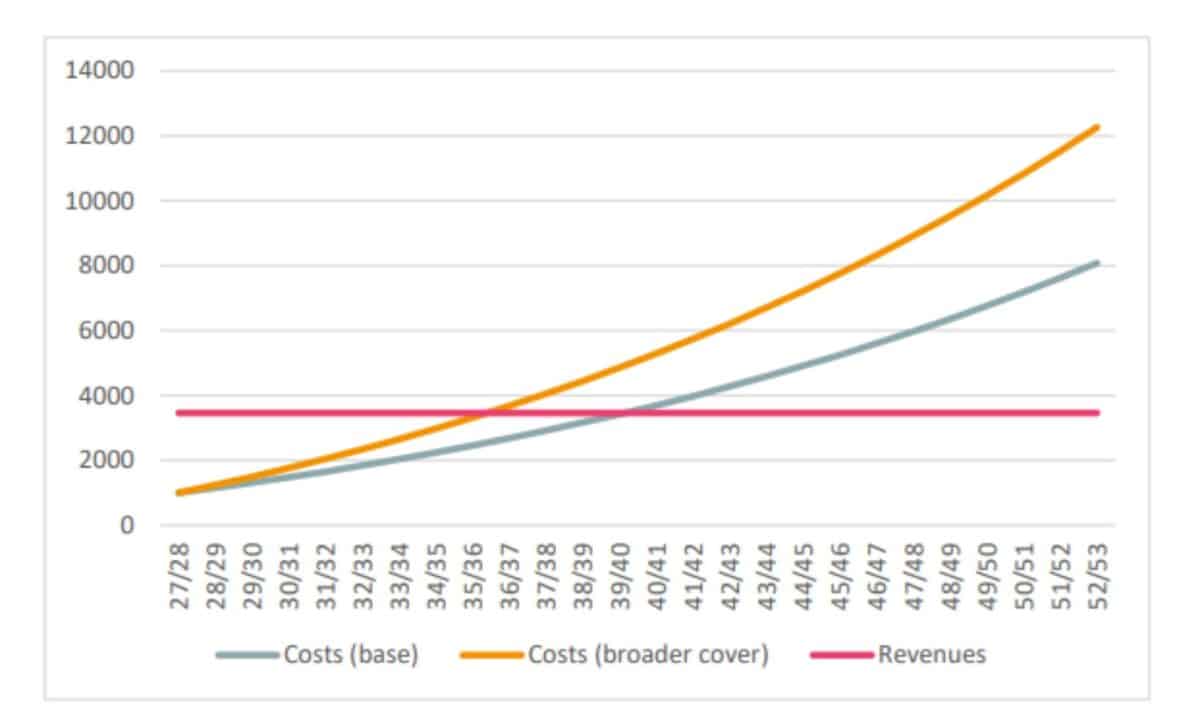
How the Proposal Fits Into the Wider Debate Over Pension Funding
The LCP report comes amid continuing discussions about how England should finance social care as its population ages and increasing numbers of people experience frailty in later life.
According to LCP, the country faces circumstances considerably different from those that shaped the modern welfare state in the 1940s, particularly as it approaches the 2040s. Report co-author Dr Jonathan Pearson-Stuttard, head of LCP Health, said the proposed framework could generate funding for preventive measures while helping individuals manage care expenses.
“Shifting our focus from treating illness to preventing it can strengthen communities, ease pressure on public services and support the health-driven prosperity on which a stronger economy depends,” he said.
The debate also involves the state pension triple lock, which currently guarantees annual increases based on the highest of inflation, average earnings growth or 2.5 per cent.
Andy Burnham has previously outlined Labour plans to adjust the triple lock from April 2030 to help finance a National Care Service in England. Under those plans, pensions would continue rising by at least Consumer Prices Index inflation or 2.5 per cent, with larger increases possible in certain years.