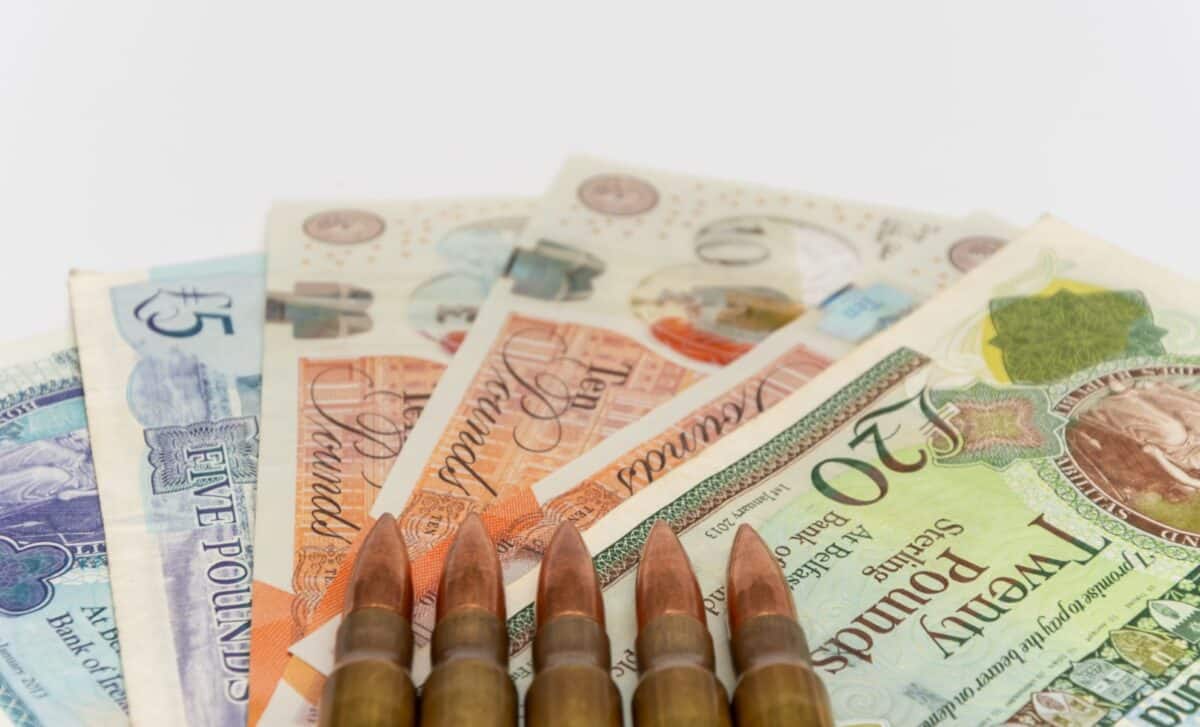
Britain’s defence policy is facing a period of transition as ministers push forward with a long-term spending and procurement framework ahead of a NATO summit in Turkey. The Defence Investment Plan, delayed through months of internal negotiations, is expected to define how the armed forces are funded and equipped over the coming years.
At the same time, the government is undergoing a leadership change following the resignation of Sir Keir Starmer as prime minister and Labour leader. Downing Street has confirmed that work on the defence plan will continue, even as questions persist over fiscal priorities and ministerial continuity during the transition.
Spending Commitments, Budget Pressure and the Defence Investment Plan
Defence secretary Dan Jarvis has said that military spending is continuing to rise, arguing that the current government has added around £11bn to the annual defence budget compared with the point at which it took office, according to a transcript of his remarks delivered at the RUSI Land Warfare Conference in London.
He told the conference that the armed forces had inherited delayed programmes and pressure across capability areas, including nuclear deterrent upgrades and personnel shortages, describing what he called a legacy of accumulated delay across the system. According to Anadolu reporting of the same speech, he said there was no single policy or funding settlement that could quickly resolve these structural issues.
Jarvis also reaffirmed the UK’s commitment to NATO spending targets, including a pledge to reach 3.5% of GDP by 2035. According to the Guardian, that commitment forms part of wider negotiations around the Defence Investment Plan, which is being prepared ahead of the NATO summit in Ankara and is expected to sit alongside a long-term parliamentary defence commitment of £270bn.
The plan has also become politically sensitive during the leadership transition. According to the same source, tensions over defence spending have already contributed to resignations within the defence brief, while negotiations between the Ministry of Defence and the Treasury continue over the scale and structure of future investment.
Downing Street has stated that no new major spending decisions will be introduced during the transition period, but has also indicated that publication of the plan will proceed before the NATO summit, suggesting continuity in policy direction despite political uncertainty.
Modern Warfare, Drones and the Changing Structure of Armed Forces
Alongside funding discussions, Jarvis used his RUSI speech to outline how lessons from recent conflicts are shaping defence planning. According to a Ministry of Defence transcript, he said that unmanned systems and drones now play a central role in modern warfare, particularly in light of developments seen in Ukraine.
He pointed to rapid technological change in military operations, where innovation cycles have shortened significantly, and where artificial intelligence and autonomous systems are becoming more prominent in defence thinking. According to Anadolu reporting, he said these capabilities would receive increased investment as part of the UK’s future force structure.
However, Jarvis also cautioned against over-reliance on any single type of capability. He said that, despite the growth of drone warfare, ground forces remain essential, referencing the continued presence of trench-based combat and territorial control in Ukraine, according to the Ministry of Defence transcript.
He added that the UK’s armed forces must remain integrated within NATO structures, stressing that Britain does not operate in isolation. The future force, he said, would combine traditional military platforms with greater agility, technological integration and multi-domain capabilities, reflecting lessons drawn from recent operational deployments and wider alliance commitments.