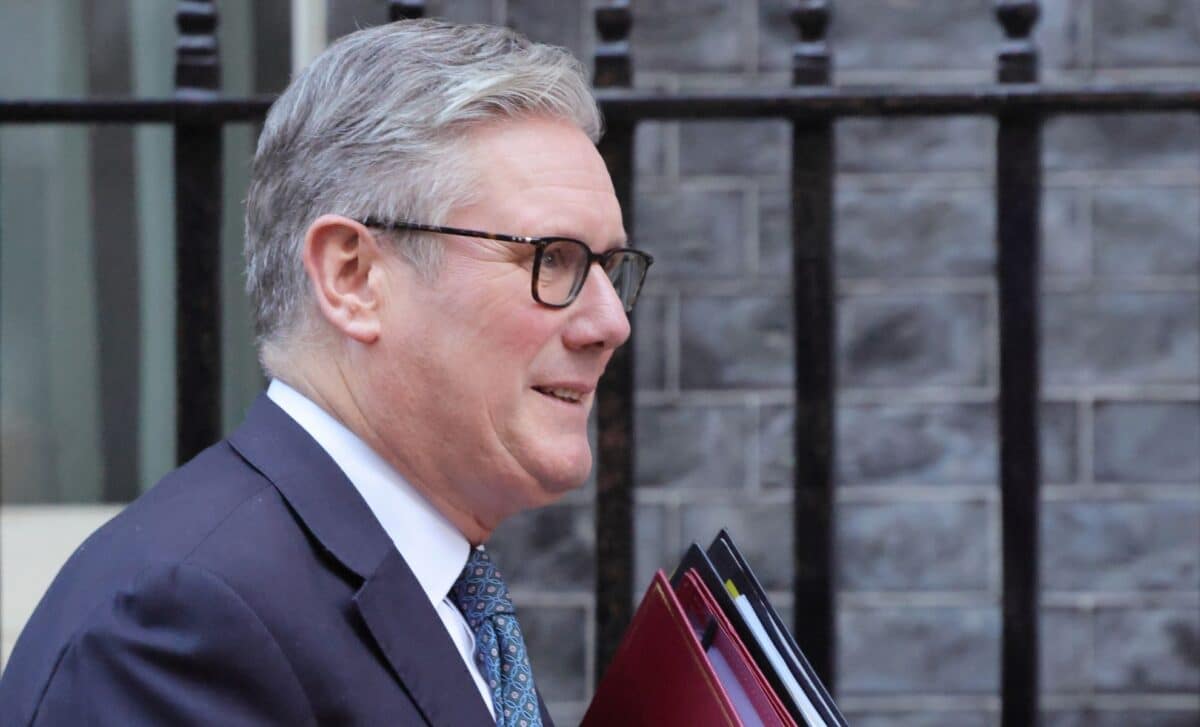
Government borrowing costs rose modestly after Sir Keir Starmer confirmed he would step down as Prime Minister, while sterling weakened and investors turned their attention to the fiscal stance of whoever succeeds him.
The market reaction was relatively restrained, reflecting expectations that political pressure on Starmer could lead to his departure. Even so, bond traders and economists highlighted concerns about the UK’s borrowing position and the policy direction of a future government.
Sir Keir announced a timetable for his departure on Monday, opening a period of political uncertainty at a time when Britain already faces elevated debt-servicing costs and sluggish economic growth.
The immediate focus for financial markets has been the government bond market, where borrowing costs remain among the highest in the developed world. Investors are now assessing whether a new administration will maintain existing fiscal rules and how it plans to manage public spending.
Bond Markets React as Investors Assess Leadership Change
The yield on 10-year UK government bonds, or gilts, rose to around 4.85% after Sir Keir’s announcement, according to reports and market updates published on Monday. The increase was modest, yet it contrasted with declines in borrowing costs seen in several European countries including France, Germany, Italy and Spain.
Sterling also weakened following the announcement. According to Reuters, the pound was down about 0.2% against the US dollar at roughly $1.319, remaining close to its lowest level in three months. Currency options markets also indicated stronger demand for protection against potential volatility in the weeks ahead.
Analysts noted that much of the political uncertainty had already been priced into markets. Jason Borbora-Sheen, portfolio manager at Ninety One, said investors were now focused on whether there would be a leadership contest and whether the fiscal credentials of a new prime minister and chancellor would be accepted by the gilt market. Chris Beauchamp, chief market analyst at IG, said the key question for investors was what would change under new leadership. He argued that markets would be wary of policies that implied significantly higher public spending given the UK’s financial position.
Despite the political developments, the reaction in equity markets remained limited. The FTSE 100 was only marginally lower during morning trading, while broader market moves were subdued.
Fiscal Credibility Emerges as the Central Concern
Attention quickly shifted to the economic approach of the next prime minister, with Andy Burnham widely viewed as the leading contender to replace Starmer.
According to Reuters, investors have sought reassurance that any new government would continue to observe existing fiscal rules. MUFG analyst Lee Hardman said those assurances had helped limit downside risks for both sterling and gilts in the near term.
Some market participants warned that borrowing costs could rise further if investors become concerned about future spending plans. Mike Bell of RBC BlueBay said it would not be surprising to see 10-year gilt yields move back towards 5% if markets began questioning the credibility of a government that shifted further to the left.
Economist Mohit Kumar of Jefferies said investors would closely watch the choice of chancellor and the funding of any additional spending commitments. Jefferies also said it was avoiding long-dated UK bonds and reducing exposure to sterling because of the potential for further volatility during the leadership transition.
The broader challenge extends beyond the change in leadership. According to Deutsche Bank analyst Jim Reid, Britain has experienced a succession of prime ministers since the Brexit vote and continues to face the combined pressures of weak growth and high debt, factors that remain central to the outlook for government borrowing costs.