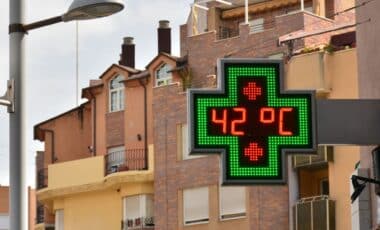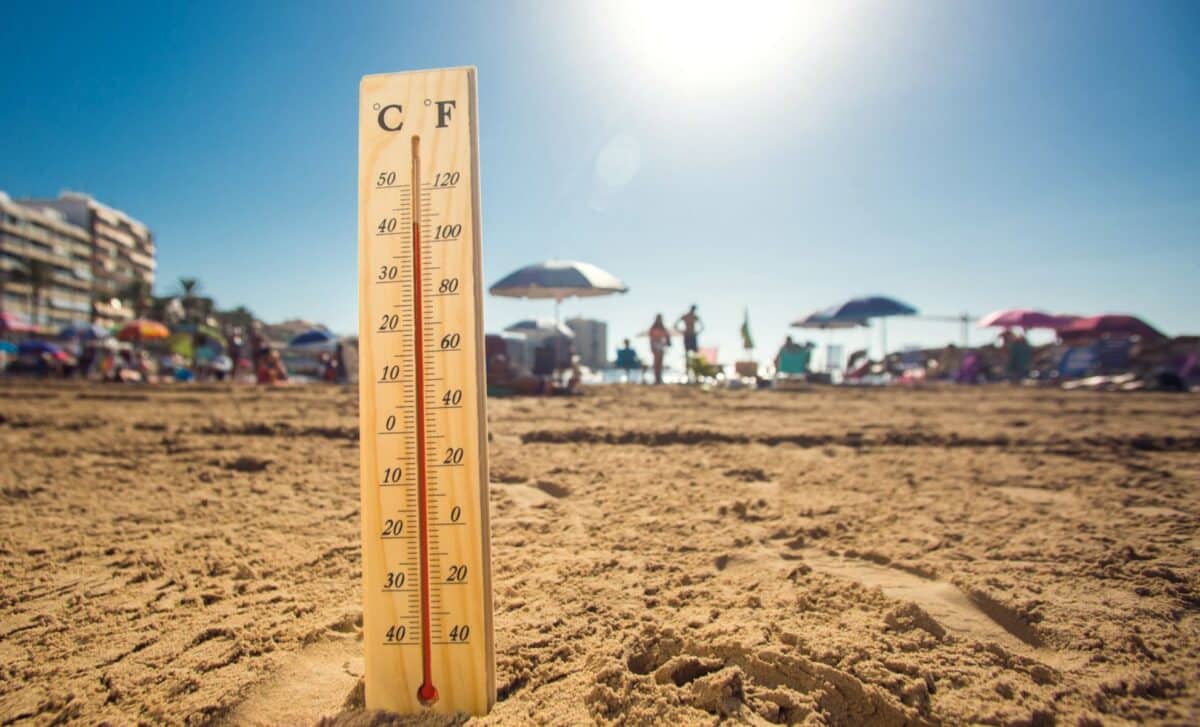
Millions of people across parts of England are under amber heat-health alerts as forecasters warn temperatures could climb to 34C in the coming days. The warnings come amid concerns over pressure on health services and increased risks to vulnerable groups during a period of prolonged hot weather.
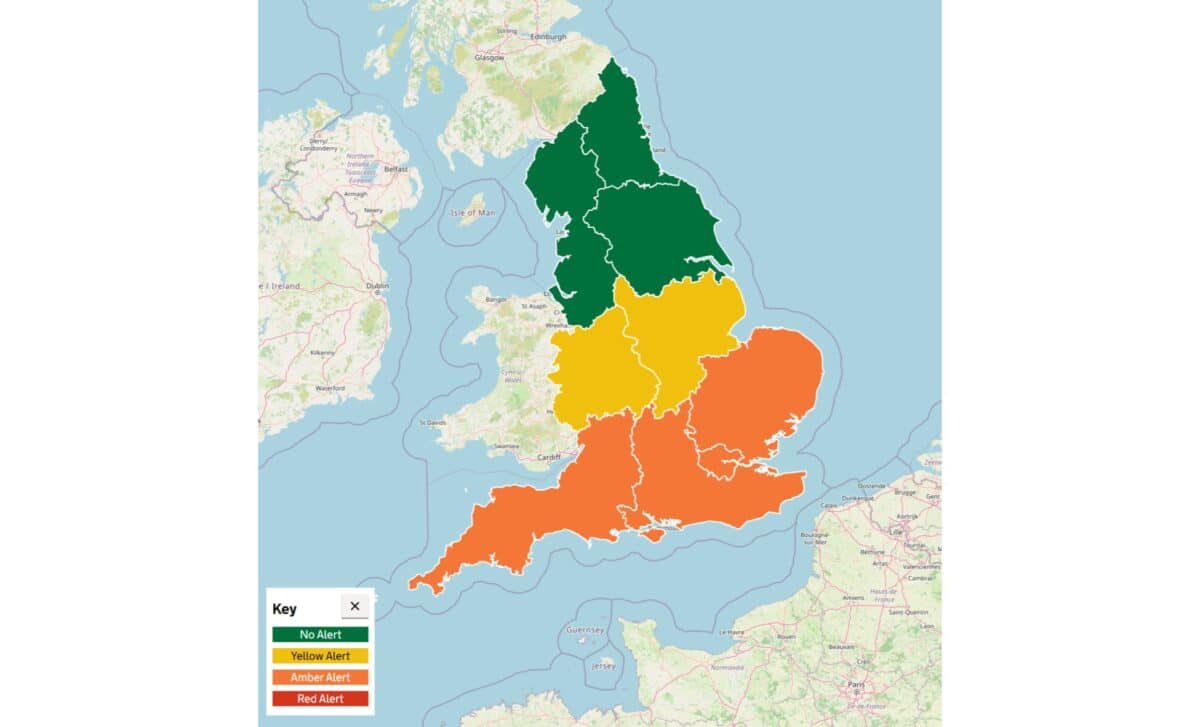
The alerts cover London, the South East, the South West and the East of England, with health authorities warning that high temperatures may have significant impacts on health and social care services. Forecasts also suggest the heatwave could surpass the intensity of the hot spell experienced in May.
The UK Health Security Agency (UKHSA) has placed several regions under amber heat-health alerts, which took effect on June 18 and are due to remain in force until 8pm on June 23. Yellow alerts have also been issued for the East Midlands and West Midlands.
According to the UKHSA, the amber warning indicates that “significant impacts are likely across health and social care services due to the high temperatures”, including “a rise in deaths, particularly among those aged 65 and over or with health conditions”. The agency added that younger age groups could also be affected.
Health Services Prepare for Impacts of Prolonged Heat
The UKHSA has outlined a range of challenges that may arise during the hot spell. These include increased demand on health and social care services, difficulties managing medicines, and indoor temperatures in hospitals and care homes exceeding recommended thresholds used in clinical risk assessments.
According to the agency, the heat may also affect workforce capacity and increase risks for vulnerable people living independently or in care settings where indoor overheating becomes a concern. The warning notes that external pressures, including transport disruption and increased demand for electricity, could contribute to staffing difficulties and wider service disruption.
The Weather Health Alerting System, operated jointly by the UKHSA and the Met Office, is intended to provide early warnings to healthcare providers, emergency responders, voluntary organisations and government departments when weather conditions are expected to affect public health.
No heat-health alerts have been issued for the North East, North West, or Yorkshire and the Humber. The UKHSA said conditions in those regions are not currently expected to reach levels associated with significant health impacts.
Forecast Points to Hotter and More Humid Conditions
Meteorologists expect a period of increasingly hot and humid weather to develop across southern and eastern England over the coming days. According to the Met Office, temperatures are expected to reach the high twenties across many areas, with the potential for 32C in southern England on Sunday and 34C or higher on Monday.
Met Office Chief Forecaster Steve Ramsdale said that high pressure over mainland Europe would allow increasingly warm and humid air to build across southern and eastern parts of the country, while lower pressure near the north-west would keep conditions more changeable there.
Met Office meteorologist Honor Criswick said the upcoming heatwave differs from the one recorded in May because humidity levels are expected to be significantly higher. She said the increased humidity would make conditions feel more uncomfortable during both daytime and overnight periods.
According to the Met Office, there is also a possibility of thunderstorms developing as the humid air mass becomes established. Ms Criswick said storms could occur across central, southern and south-eastern England, bringing heavy downpours, thunder and lightning in localised areas.
The UKHSA has also highlighted an increased risk of water-related incidents during the hot weather. The agency and the RNLI have urged people to remain aware of the dangers posed by cold-water shock and drowning, noting that water temperatures may still be significantly lower than air temperatures despite the warmer conditions.