
A proposed $30 minimum wage in Alameda County, California has moved closer to a public vote after organizers secured enough signatures to place the measure on the November general election ballot. The initiative, led by the Living Wage For All Coalition, would create one of the highest minimum wage standards in the United States if approved by voters.
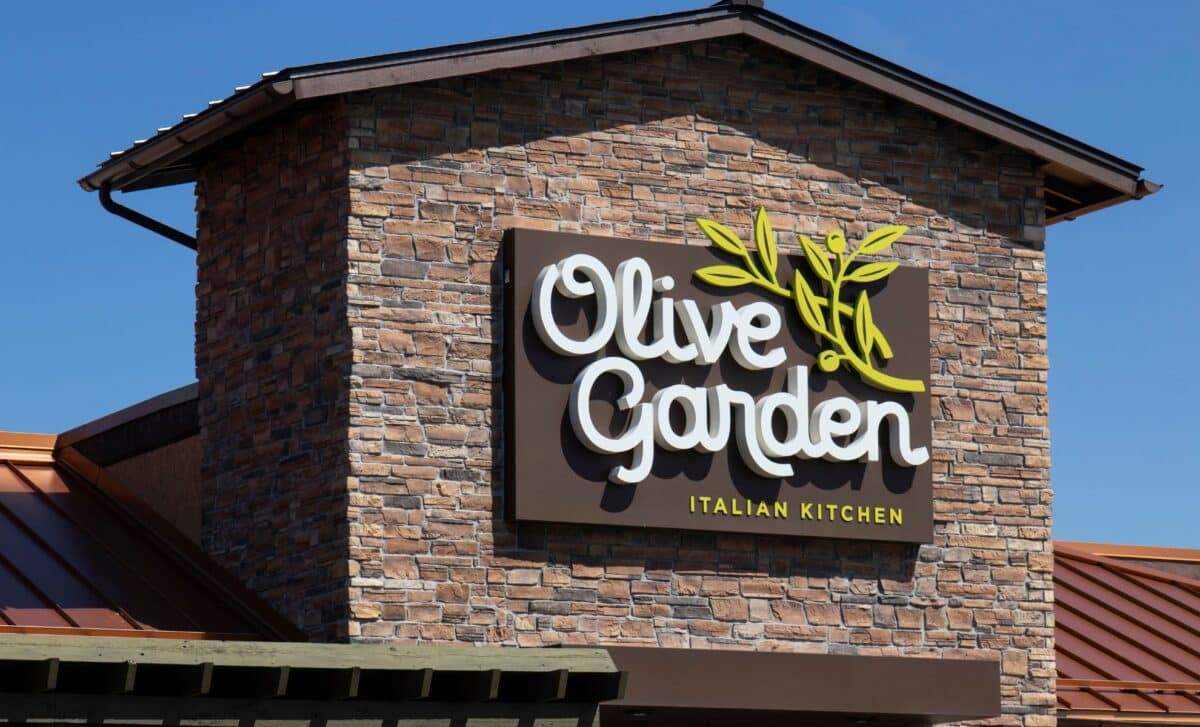
The proposal targets businesses operating in the county, including major employers such as Olive Garden, and would introduce a gradual timeline for companies to meet the new pay requirements. Organizers announced that they submitted 106% of the required petition signatures, allowing the campaign to move forward in the electoral process.
The measure would not immediately raise wages to $30 per hour for every worker. Under the proposal, businesses with more than 100 employees would need to comply by 2030. The full wage increase would take effect by July 1, 2037, raising the minimum hourly rate from the current $16.90 level.
A Ballot Campaign Focused on Living Costs and Worker Pay
The Living Wage For All Coalition officially launched the ballot effort in March, beginning a 180-day period to collect the signatures required for qualification.
According to The Sun, the campaign has received backing from several labor organizations, including UAW Region 6, as unions argue that many workers in the county face financial pressure despite the region’s high level of economic activity.
Supporters say the proposal is designed to address the gap between wages and the cost of living in one of California’s most expensive areas.
Mike Miller, director of UAW Region 6, said the county’s economic conditions have left many residents struggling despite its wealth.
He said:
“Alameda County is one of the richest counties in the U.S., yet 40% of the people who live here — including thousands of UAW members — are struggling to afford a living.
“UAW members are proud to be part of the fight for a living wage in Alameda County, because we know that all working people deserve communities where they can thrive.
“By coming together with workers across the county, we can make that a reality.”
The coalition argues that higher wages would provide more stability for workers and families facing rising housing, transportation, and daily living expenses.
Opponents of similar wage proposals in other regions have raised concerns about the effect on businesses, employment costs, and consumer prices.
The Alameda County measure will now enter the next stage of the political process as voters prepare to decide its future.

© Canva
Large Employers Could Face Earlier Compliance Requirements
The proposed timeline separates large employers from smaller businesses by creating different deadlines for implementation.
Companies with more than 100 employees would need to meet the new wage rules several years before the final 2037 deadline.
Supporters say this approach gives larger companies additional responsibility because of their financial resources and workforce size.
Businesses affected by the measure would include restaurants, retailers, and other employers operating throughout the county.
The potential change comes as minimum wage debates continue across the United States, with local governments exploring different approaches to address affordability challenges.
California already has some of the highest wage standards in the country, and several cities and counties have adopted rules above the statewide minimum.
The Alameda County proposal would create another major local wage benchmark if approved.
For businesses, the measure could require adjustments to payroll planning, staffing models, and operating expenses.
For workers, supporters argue that the proposal could provide a stronger connection between income and the cost of living in the region.
The outcome will depend on voter decisions during the November general election.
The Next Phase of the Wage Debate in Alameda County
The coalition’s success in gathering signatures marks a significant step for the campaign, but the proposal still faces a public vote before any changes become law.
The group has previously worked on a similar minimum wage proposal in Oakland, though no further updates have been released about whether that effort reached the required signature threshold.
The Alameda County initiative will now become part of a broader national discussion about wages, affordability, and the future of local labor policies.
Supporters are preparing to campaign around the potential benefits for workers, while businesses and opponents are expected to examine the possible economic effects.
If voters approve the measure, Alameda County would begin a long transition toward a $30 hourly minimum wage, creating a new standard for employers across the region.
The November vote will determine whether the county moves ahead with one of the most ambitious local wage proposals in the country.