A framework agreement between the United States and Iran has triggered a sharp reaction across global financial markets, sending oil prices lower and lifting stock indexes in Asia and Europe. Investors responded to news that the deal could lead to the reopening of the Strait of Hormuz, a key shipping route that has been disrupted since the conflict began earlier this year.
The agreement has not yet been formally signed, and several analysts have cautioned that uncertainty remains. Even so, markets moved quickly as traders reassessed the geopolitical risks that had pushed energy prices higher for months and weighed on economic sentiment around the world.
According to the BBC, Iran’s deputy foreign minister Kazem Gharibabadi confirmed on state television that a deal with the United States had been finalized, while U.S. President Donald Trump announced on social media that the Strait of Hormuz would reopen and urged that oil shipments resume.
Oil Prices Retreat as Concerns over Supply Disruptions Ease
The strongest market reaction was seen in energy markets. Brent crude, the global benchmark, fell by roughly 4.7% to around $83 per barrel, while U.S. crude futures also dropped sharply. CNBC reported that investors were unwinding part of the geopolitical risk premium that had accumulated since the conflict began in February.
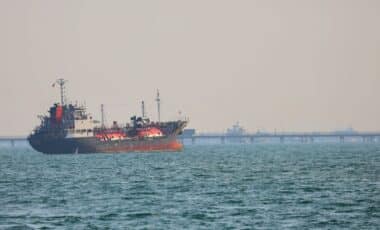
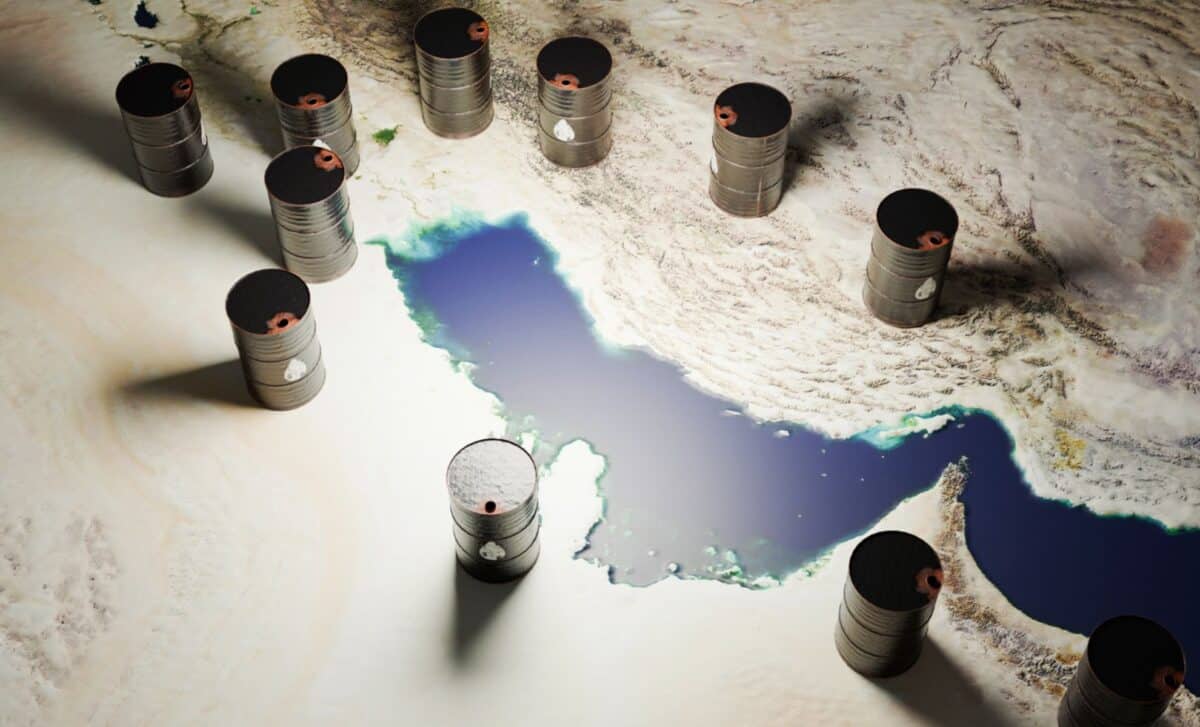
The Strait of Hormuz is one of the world’s most important energy corridors. Approximately 20% of global oil and liquefied natural gas shipments normally pass through the waterway. After U.S. and Israeli airstrikes on Iran on February 28, Tehran threatened vessels using the route, contributing to its effective closure.
Oil prices had experienced significant volatility during the conflict. The BBC reported that Brent crude traded near $70 per barrel before hostilities escalated and later reached about $120 during the war.
Analysts noted that lower prices do not necessarily mean an immediate return to normal conditions. According to The Guardian, oil tankers remain out of position after months of disruption, while some production and refining facilities have suffered damage. Insurance concerns and operational challenges could also slow the recovery of shipping activity.
Andrew Lipow of Lipow Oil Associates told the BBC that mines would need to be cleared from the waterway and that a backlog of tankers was waiting to transit the strait. He said the process of restoring normal operations could take weeks or longer.
Global Stock Markets Rise, Though Questions Remain
Stock markets across Asia and Europe posted gains following the announcement. According to CNBC, South Korea’s Kospi rose more than 5%, Japan’s Nikkei 225 advanced strongly, and Australia’s S&P/ASX 200 also moved higher.
European markets followed a similar pattern. The Guardian reported that the pan-European Stoxx 600 index reached a record high, while major indexes in London, Frankfurt, and Paris all gained ground. Mining and travel stocks were among the strongest performers, while energy companies came under pressure as oil prices declined.
Investors also reacted in bond and currency markets. CNBC reported that the U.S. dollar weakened and Treasury yields fell, reflecting reduced concerns about inflation linked to energy costs.
Despite the optimism, some analysts stressed that the agreement has yet to be formally signed. According to CNBC, the signing ceremony is expected to take place on June 19, and market participants are still waiting for further details about the arrangement.
Vandana Hari of Vanda Insights told the BBC that the lack of detail surrounding the agreement could create uncertainty and volatility in oil markets during the coming days. Market reactions suggest relief over the prospect of reopening the Strait of Hormuz, but traders continue to watch closely for confirmation that the agreement will be fully implemented.