Utility customers in Virginia are moving closer to receiving automatic bill credits under a proposed amendment linked to a $650 million carbon credit revenue fund, as lawmakers advance plans to return a portion of state earnings from the regional emissions trading programme back to households.
Carbon Credit Amendment Moves Forward
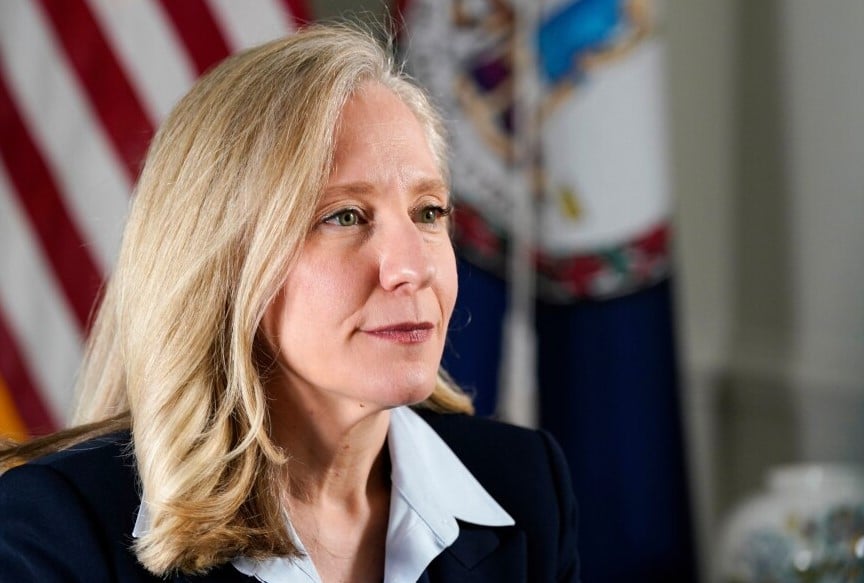
The proposal is included in Virginia’s two-year state budget and has already passed through the legislature, placing it one step closer to implementation pending approval from Governor Abigail Spanberger.
The amendment would redirect around 45% of revenue generated through the Regional Greenhouse Gas Initiative (RGGI) back to consumers in the form of utility bill credits.
RGGI is a cap-and-invest system that requires power generators to purchase carbon credits for emissions, with funds raised used by participating states for climate-related and consumer programmes.
How Much Customers Could Receive
If approved, the plan would provide an estimated average rebate of around $3 per month for electricity customers, equating to approximately $35 per year. The payments would be reflected as automatic credits on utility bills once the system is implemented and regulatory approvals are completed.
Officials say the structure is designed to return part of the revenue collected from energy producers directly to households.
Impact On Utility Providers
Major utility companies in Virginia, including Dominion Energy, Appalachian Power Company and Old Dominion Electric Cooperative, are expected to be most affected by the changes.
Dominion Energy has previously proposed adding additional RGGI-related charges to customer bills in the coming years, reflecting ongoing cost pressures linked to carbon pricing mechanisms.
The proposed amendment would require utilities to purchase large volumes of carbon credits, increasing overall state revenue generated through the programme.
Debate Over Use Of Carbon Revenue
The proposal has drawn criticism from some environmental and policy groups, who argue that diverting a significant share of funds could reduce investment in climate resilience and infrastructure projects.
Supporters of the amendment say sufficient funding would remain available to support both consumer rebates and environmental initiatives such as flood mitigation. Officials argue the approach balances household relief with long-term environmental funding priorities.
Wider Trend Of Energy Bill Support
Virginia is one of several US states using carbon market revenues or similar mechanisms to offset rising energy costs for consumers. Other states have introduced automatic bill credits or one-time energy payments as part of broader affordability measures linked to utility pricing pressures.
Further approvals are required before Virginia residents begin receiving the proposed monthly credits on their electricity bills.